
SEISMOLOGY AND GEOLOGY ›› 2026, Vol. 48 ›› Issue (2): 442-459.DOI: 10.3969/j.issn.0253-4967.20240095
Previous Articles Next Articles
HIGH-RESOLUTION CRUSTAL VELOCITY AND ANALYSIS OF SEISMIC SPATIAL VARIATION CHARACTERISTICS IN THE CENTRAL AND SOUTHERN SEGMENTS OF THE TAN-LU FAULT ZONE
QIAN Ting( ), CHEN Hao*(), HE Yi-cheng, JIANG Hao-lin, DU Hang, NI Hao-qi
Jiangsu Earthquake Agency
-
Received:2025-01-19Revised:2025-04-11Online:2026-04-20Published:2026-05-14
郯庐断裂带中南段高分辨率地壳速度结构与地震活动空间差异特征分析
钱婷(), 陈昊*(), 何奕成, 江昊琳, 杜航, 倪昊琦
江苏省地震局
-
通讯作者:* 陈昊, 男, 1988年生, 博士, 工程师, 主要从事地震学方法与应用, 深部结构成像研究工作, E-mail: chenhaohome@vip.qq.com。 -
作者简介:钱婷, 女, 1992年生, 2014年于云南大学获地球物理专业学士学位, 工程师, 主要研究方向为地震监测预警和地震构造成像, E-mail: xingruozhixing@qq.com。 -
基金资助:江苏省地震局青年科研基金(202504); 江苏省地震局青年科研基金(202415); 江苏省地震局青年科研基金(202412); 中国地震局地震科技星火计划项目(XH25013YC); 中国地震局地震科技星火计划项目(XH25011YC); 中国地震局地震科技星火计划项目(XH23015A); 江苏省地震局“地震预警技术与服务”创新团队(202201); 江苏省重点研发计划产业前瞻与关键核心技术项目(BE2023082)

Cite this article
QIAN Ting, CHEN Hao, HE Yi-cheng, JIANG Hao-lin, DU Hang, NI Hao-qi. HIGH-RESOLUTION CRUSTAL VELOCITY AND ANALYSIS OF SEISMIC SPATIAL VARIATION CHARACTERISTICS IN THE CENTRAL AND SOUTHERN SEGMENTS OF THE TAN-LU FAULT ZONE[J]. SEISMOLOGY AND GEOLOGY, 2026, 48(2): 442-459.
钱婷, 陈昊, 何奕成, 江昊琳, 杜航, 倪昊琦. 郯庐断裂带中南段高分辨率地壳速度结构与地震活动空间差异特征分析[J]. 地震地质, 2026, 48(2): 442-459.
share this article
Add to citation manager EndNote|Ris|BibTeX
URL: https://www.dzdz.ac.cn/EN/10.3969/j.issn.0253-4967.20240095
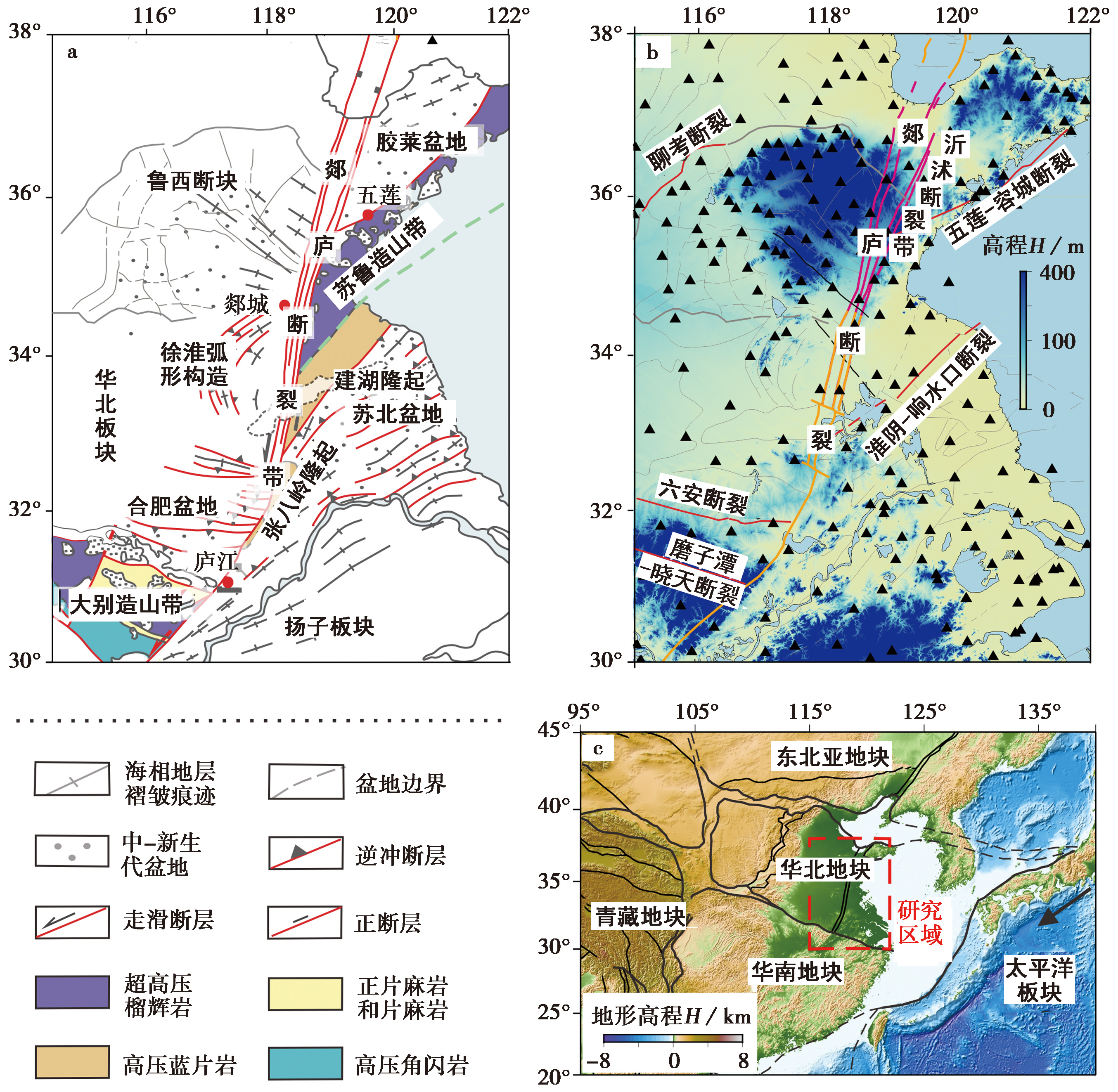
Fig. 1 Regional tectonic and seismic station distribution map.

Fig. 2 Seismic ray paths and distribution of travel time-distance points.

Fig. 3 Test results of checkerboards with different scale resolutions.
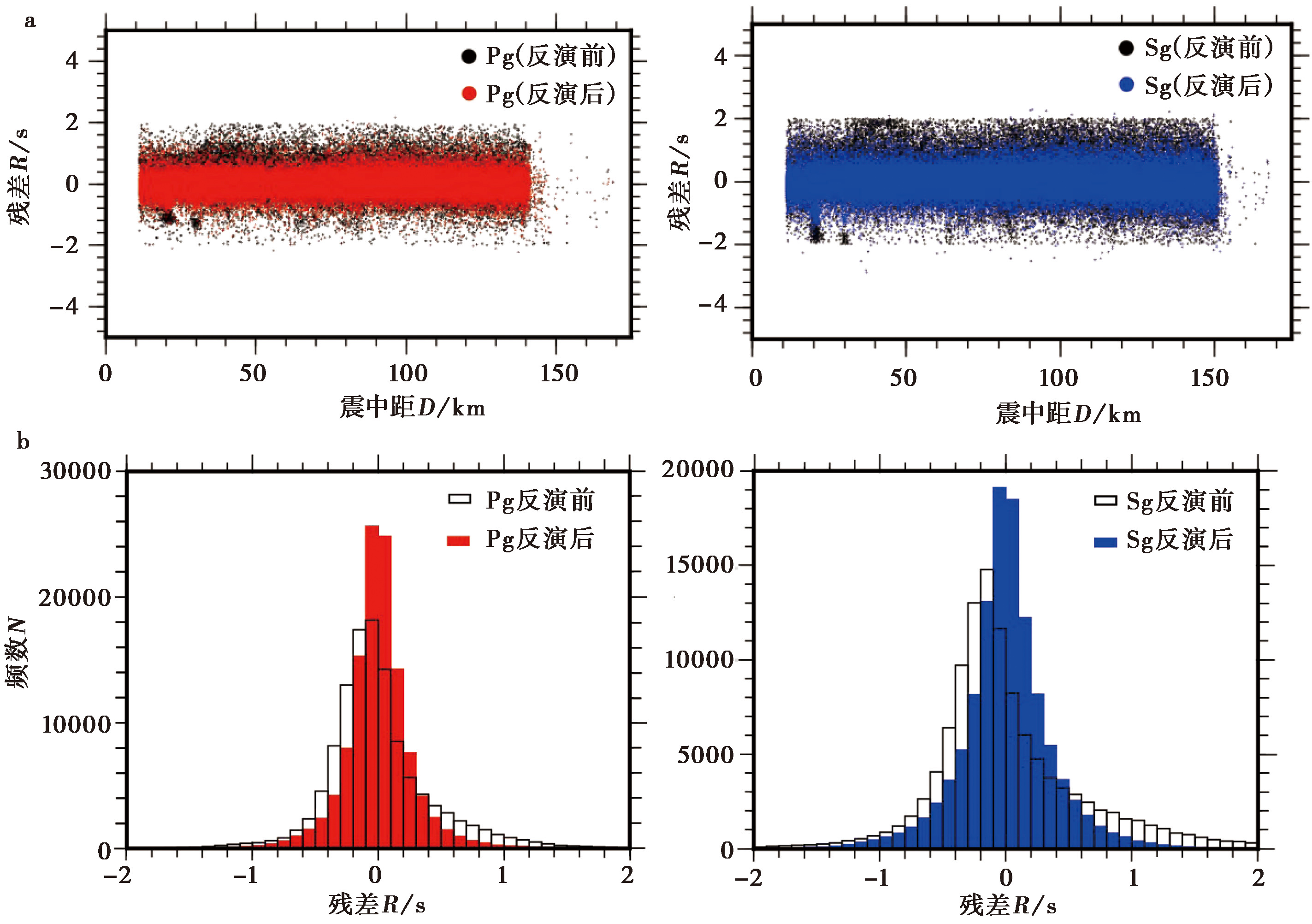
Fig. 4 Comparison of travel-time difference residual before and after the inversion.
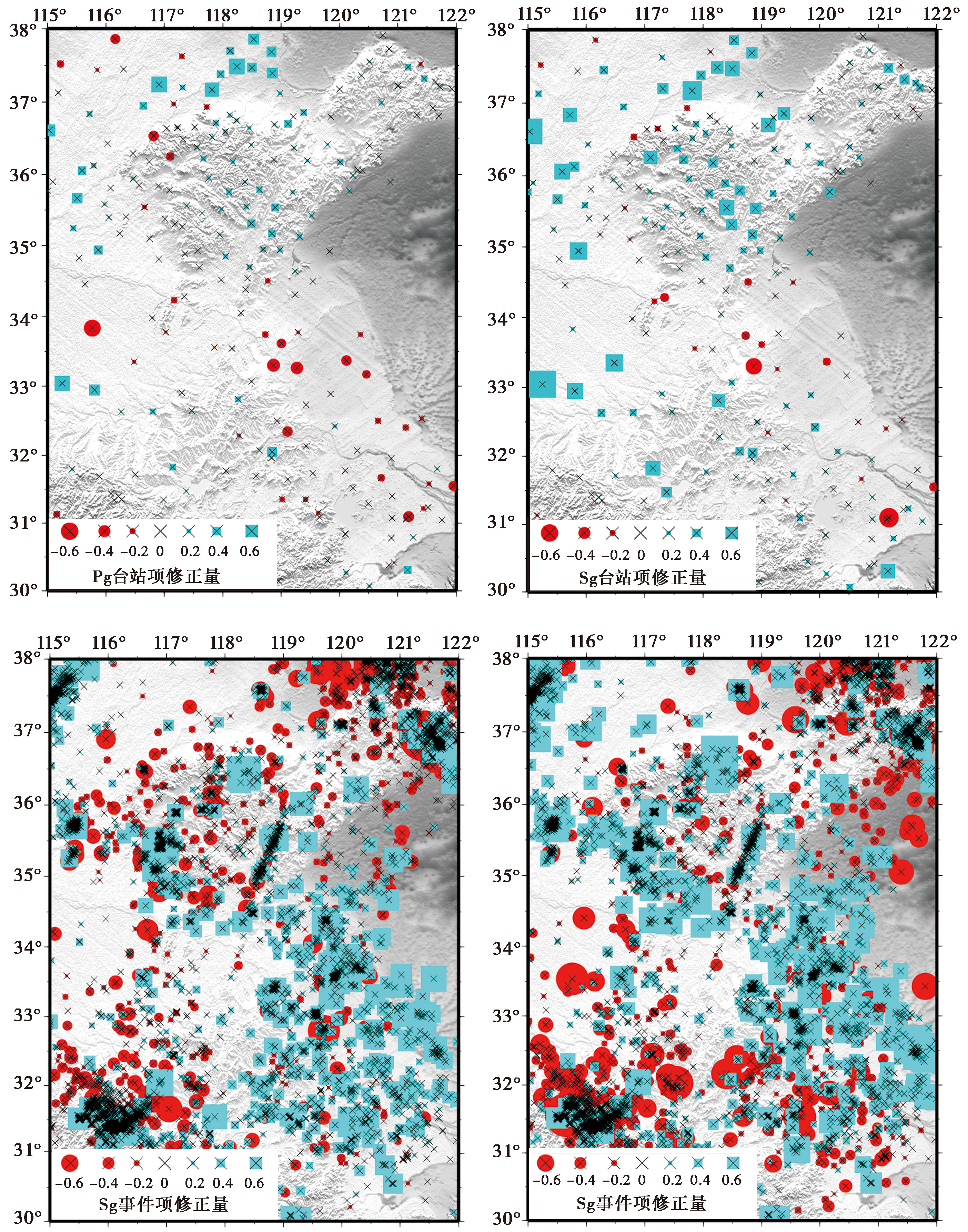
Fig. 5 Station corrections and event corrections.

Fig. 6 Tomographic lateral velocity variations of the Pg and Sg results.
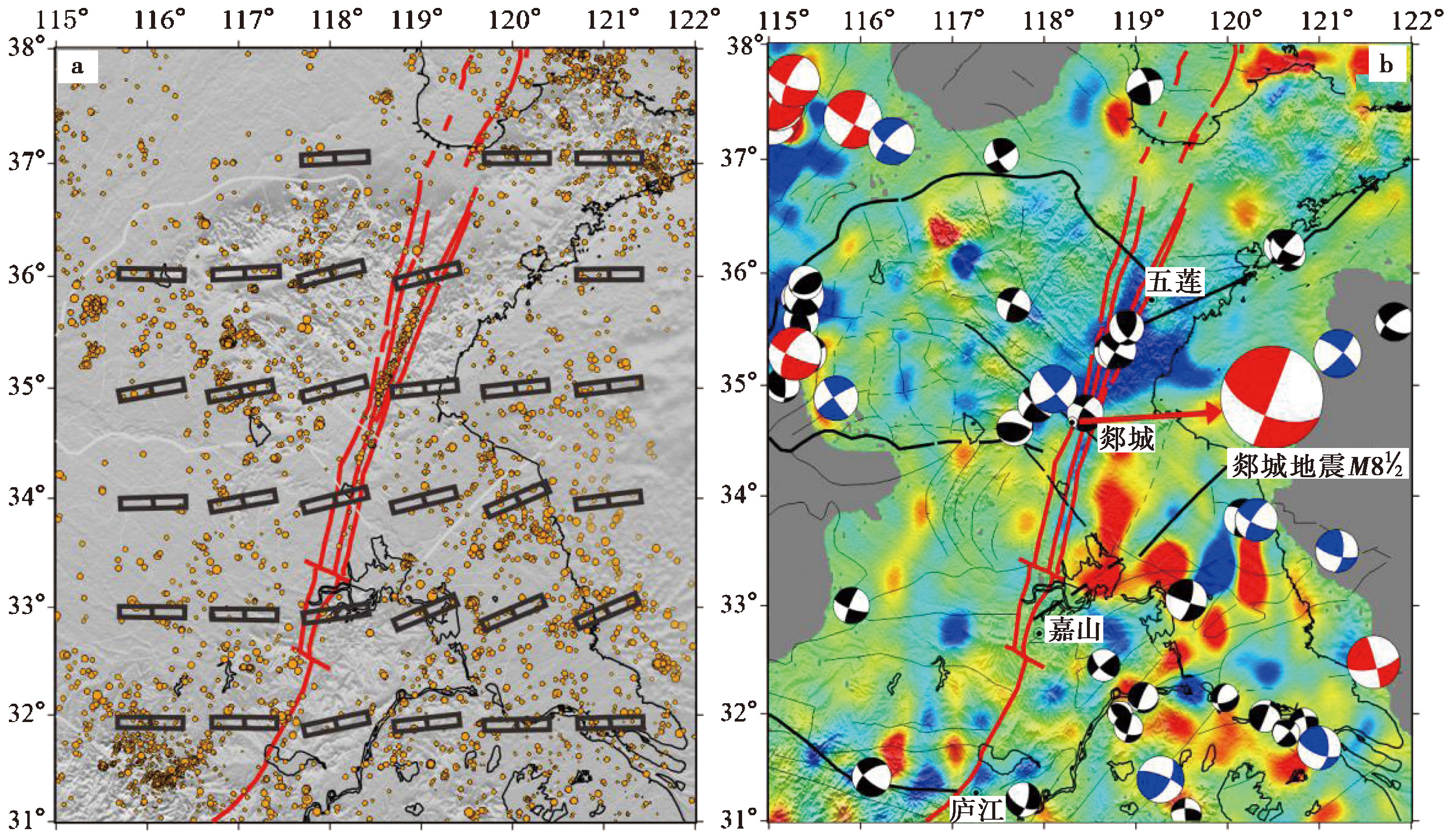
Fig. 7 The seismicity distribution map and the regional focal mechanism >MS3.0.
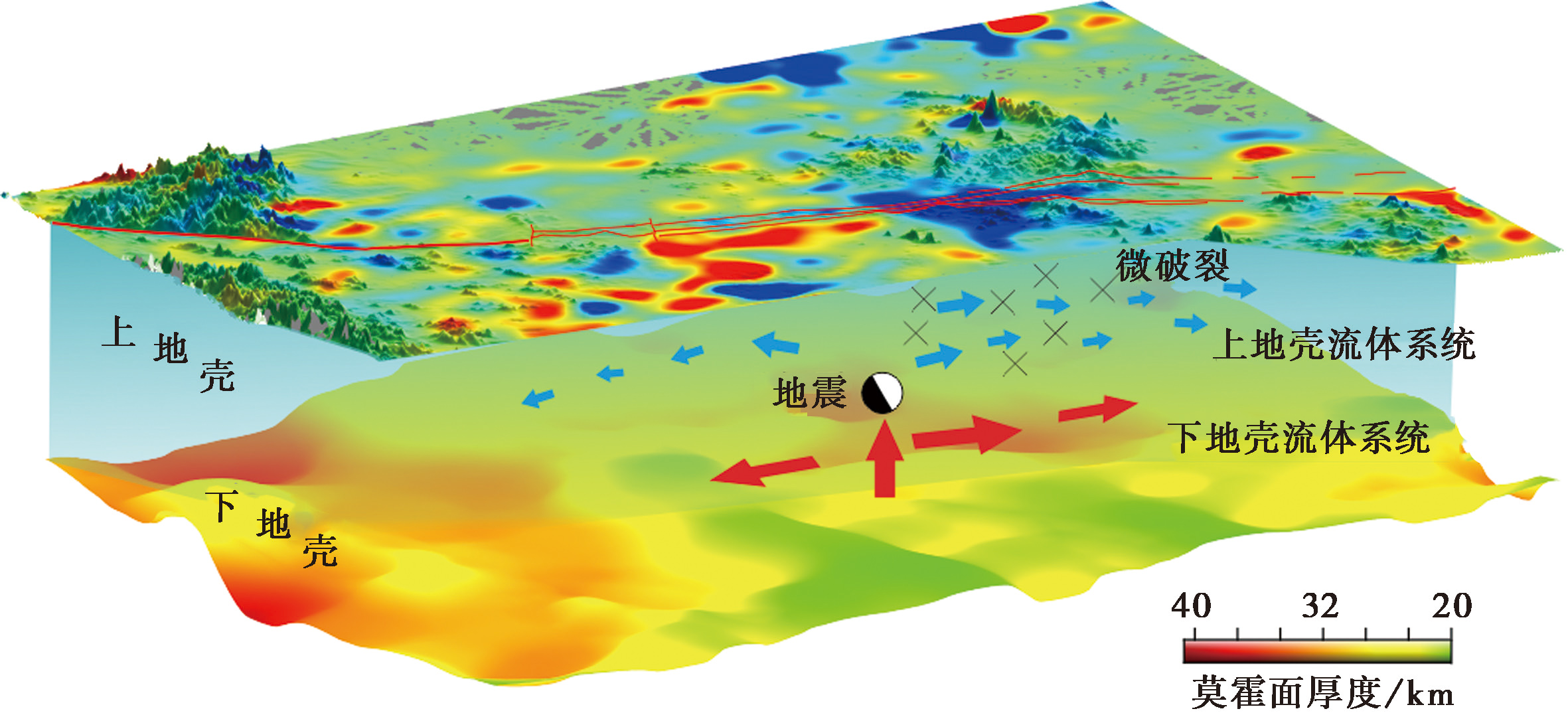
Fig. 8 The crustal rupture driven by the deep fluid system(The Moho download from International Earthquake Science Data Center(Li et al., 2014)).
| [1] |
陈昊, 洪德全, 李红星, 等. 2018. 安徽中部地区上地壳二维Pg波速度成像分析[J]. 地震研究, 41(1): 118—124, 158.
|
|
|
|
| [2] |
杜存鹏, 殷海涛, 于胜文, 等. 2023. 基于GNSS及地震活动的沂沭断裂带危险性分析[J]. 大地测量与地球动力学, 43(1): 38—41.
|
|
|
|
| [3] |
顾勤平, 康清清, 丁志峰, 等. 2020. 郯庐断裂带鲁苏皖段及邻区上地幔顶部Pn波速度与各向异性[J]. 地球物理学报, 63(7): 2548—2565.
|
|
|
|
| [4] |
何奕成, 范小平, 赵启光, 等. 2021. 郯庐断裂带中南段地壳结构分段特征[J]. 地球物理学报, 64(9): 3164—3178.
|
|
|
|
| [5] |
胡博, 张岳桥. 2007. 安徽张八岭隆起东缘基底走滑韧性剪切带的发现及其构造意义[J]. 地质通报, 26(3): 256—265.
|
|
|
|
| [6] |
胡惟, 朱光, 严乐佳, 等. 2014. 郯庐断裂带中段地震活动性与深部地壳电性结构关系的探讨[J]. 地质论评, 60(1): 80—90.
|
|
|
|
| [7] |
黄耘, 李清河, 张元生, 等. 2011. 郯庐断裂带鲁苏皖段及邻区地壳速度结构[J]. 地球物理学报, 54(10): 2549—2559.
|
|
|
|
| [8] |
冀国强, 雷建设, 赵大鹏. 2025. 利用多震相走时成像研究胶东地区三维地壳速度结构与震群孕震环境[J]. 地球物理学报, 68(1): 123—138.
|
|
|
|
| [9] |
李腊月, 李玉江, 张风霜, 等. 2020. 郯庐断裂带中南段闭锁特征与地震危险性分析[J]. 地质学报, 94(2): 467—479.
|
|
|
|
| [10] |
李清河, 熊振, 黄耘, 等. 2020. 据地壳介质非均匀性判断郯庐断裂带鲁苏段未来大震位置[J]. 地震工程学报, 42(6): 1454—1464.
|
|
|
|
| [11] |
李婷婷, 刘利, 范文华, 等. 2020. 基于远震P波接收函数研究江苏地区地壳厚度和泊松比[J]. 地震研究, 43(4): 680—688, 768.
|
|
|
|
| [12] |
刘保金, 酆少英, 姬计法, 等. 2015. 郯庐断裂带中南段的岩石圈精细结构[J]. 地球物理学报, 58(5): 1610—1621.
|
|
|
|
| [13] |
刘泽民, 刘东旺, 李玲利, 等. 2011. 利用多个震源机制解求东大别地区平均应力场[J]. 地震学报, 33(5): 605—613, 699.
|
|
|
|
| [14] |
倪红玉, 刘泽民, 洪德全, 等. 2015. 综合研究2014年霍山 MS4.3 地震序列的震源机制变化过程[J]. 地震地质, 37(4): 1004—1019. doi: 10.3969/j.issn.0253-4967.2015.04.006.
|
|
|
|
| [15] |
秦晶晶, 刘保金, 王志才, 等. 2022. 利用地震反射剖面探测研究安丘-莒县断裂板泉段的浅部构造特征[J]. 地震地质, 44(2): 349—362. doi: 10.3969/j.issn.0253-4967.2022.02.005.
|
|
|
|
| [16] |
苏道磊, 范建柯, 吴时国, 等. 2016. 山东地区地壳P波三维速度结构及其与地震活动的关系[J]. 地球物理学报, 59(4): 1335—1349.
|
|
|
|
| [17] |
孙业君, 黄耘, 刘泽民, 等. 2021. 郯庐断裂带鲁苏皖段及邻区构造应力场特征及其动力学意义[J]. 地震地质, 43(5): 1188—1207. doi: 10.3969/j.issn.0253-4967.2021.05.010.
|
|
|
|
| [18] |
孙业君, 黄耘, 刘泽民, 等. 2022. 日本 MW9.0 地震前后郯庐断裂带中南段构造应力场动态变化特征[J]. 地球物理学报, 65(6): 2124—2136.
|
|
|
|
| [19] |
夏心茹, 江国明, 赵大鹏. 2025. 郯庐断裂带中南段地壳速度结构与地震活动性研究[J]. CT 理论与应用研究, 34(2): 163—174.
|
|
|
|
| [20] |
徐锡伟, 吴熙彦, 于贵华, 等. 2017. 中国大陆高震级地震危险区判定的地震地质学标志及其应用[J]. 地震地质, 39(2): 219—275. doi: 10.3969/j.issn.0253-4967.2017.02.001.
|
|
|
|
| [21] |
于悦颖, 顾勤平, 张海江, 等. 2024. 大别—苏鲁造山带及其邻区岩石圈速度结构特征[J]. 地球物理学报, 67(12): 4681—4697.
|
|
|
|
| [22] |
张鹏, 王良书, 钟锴, 等. 2007. 郯庐断裂带的分段性研究[J]. 地质论评, 53(5): 586—591, 721—722.
|
|
|
|
| [23] |
张岳桥, 董树文. 2019. 晚中生代东亚多板块会聚与大陆构造体系的发展[J]. 地质力学学报, 25(5): 613—641.
|
|
|
|
| [24] |
张云鹏, 王宝善, 王伟涛, 等. 2016. 安徽气枪实验固定台层析成像初步结果[J]. 中国地震, 32(2): 331—342.
|
|
|
|
| [25] |
张云鹏, 王伟涛, 杨微, 等. 2023. 联合多源数据反演郯庐断裂带南段地壳三维速度结构[J]. 地球物理学报, 66(6): 2404—2419.
|
|
|
|
| [26] |
郑建常, 王鹏, 李冬梅, 等. 2013. 使用小震震源机制解研究山东地区背景应力场[J]. 地震学报, 35(6): 773—784.
|
|
|
|
| [27] |
朱艾斓, 徐锡伟, 王鹏, 等. 2018. 以精定位背景地震活动与震源机制解研究郯庐断裂带中南段现今活动习性[J]. 地学前缘, 25(1): 218—226.
|
|
|
|
| [28] |
朱光, 刘程, 顾承串, 等. 2018. 郯庐断裂带晚中生代演化对西太平洋俯冲历史的指示[J]. 中国科学(地球科学), 48(4): 415—435.
|
|
|
|
| [29] |
朱光, 陆元超, 苏楠, 等. 2021. 华北克拉通早白垩世地壳变形规律与动力学[J]. 中国科学(地球科学), 51(9): 1420—1443.
|
|
|
|
| [30] |
|
| [31] |
|
| [32] |
|
| [33] |
|
| [34] |
|
| [35] |
|
| [36] |
DOI URL |
| [37] |
DOI URL |
| [38] |
|
| [39] |
|
| [40] |
|
| [41] |
DOI URL |
| [42] |
DOI |
| [43] |
DOI URL |
| [44] |
|
| [45] |
DOI URL |
| No related articles found! |
| Viewed | ||||||
|
Full text |
|
|||||
|
Abstract |
|
|||||
Copyright © SEISMOLOGY AND GEOLOGY, All Rights Reserved.
Tel: 010-62009049/9063 E-mail: dzdz@ies.ac.cn
Powered by Beijing Magtech Co., Ltd.