
SEISMOLOGY AND GEOLOGY ›› 2025, Vol. 47 ›› Issue (6): 1688-1707.DOI: 10.3969/j.issn.0253-4967.2025.06.20240104
MONITORING STUDY OF INTERSEISMIC DEFORMATION OF THE HAIYUAN FAULT ZONE BASED ON TIME SERIES INSAR
QIN You-sen1)( ), XU Xiao-bo1),*(), LI Yan-chuan2), ZHANG Ying-feng2), LIAN Da-jun1), YANG Zhao-hui1), CHEN Kai1), RONG Xin-yue1)
- 1) School of Geography Science and Geomatics Engineering, Suzhou University of Science and Technology, Suzhou 215009, China
2) State Key Laboratory of Earthquake Dynamics and Forecasting, Institute of Geology, China Earthquake Administration, Beijing 100029, China
-
Received:2024-08-09Revised:2025-03-24Online:2025-12-20Published:2025-12-31
基于时序InSAR的海原断裂带震间形变监测
秦友森1)(), 徐小波1),*(), 李彦川2), 张迎峰2), 连达军1), 杨朝辉1), 陈凯1), 荣欣悦1)
- 1) 苏州科技大学, 地理科学与测绘工程学院, 苏州 215009
2) 地震动力学与强震预测全国重点实验室(中国地震局地质研究所), 北京 100029
-
通讯作者:*徐小波, 男, 1988年生, 副教授, 研究生导师, 主要从事InSAR地壳形变、 地面沉降等监测研究, E-mail: kcsar@usts.edu.cn。 -
作者简介:秦友森, 男, 1998年生, 2025年于苏州科技大学获资源与环境硕士学位, 主要从事InSAR地壳形变监测研究, E-mail: 576030386@qq.com。
-
基金资助:国家自然科学基金(41701515); 地震动力学国家重点实验室开放基金(LED2018B04); 江苏省高等学校自然科学研究面上项目(22KJB420005)

Cite this article
QIN You-sen, XU Xiao-bo, LI Yan-chuan, ZHANG Ying-feng, LIAN Da-jun, YANG Zhao-hui, CHEN Kai, RONG Xin-yue. MONITORING STUDY OF INTERSEISMIC DEFORMATION OF THE HAIYUAN FAULT ZONE BASED ON TIME SERIES INSAR[J]. SEISMOLOGY AND GEOLOGY, 2025, 47(6): 1688-1707.
秦友森, 徐小波, 李彦川, 张迎峰, 连达军, 杨朝辉, 陈凯, 荣欣悦. 基于时序InSAR的海原断裂带震间形变监测[J]. 地震地质, 2025, 47(6): 1688-1707.
share this article
Add to citation manager EndNote|Ris|BibTeX
URL: https://www.dzdz.ac.cn/EN/10.3969/j.issn.0253-4967.2025.06.20240104
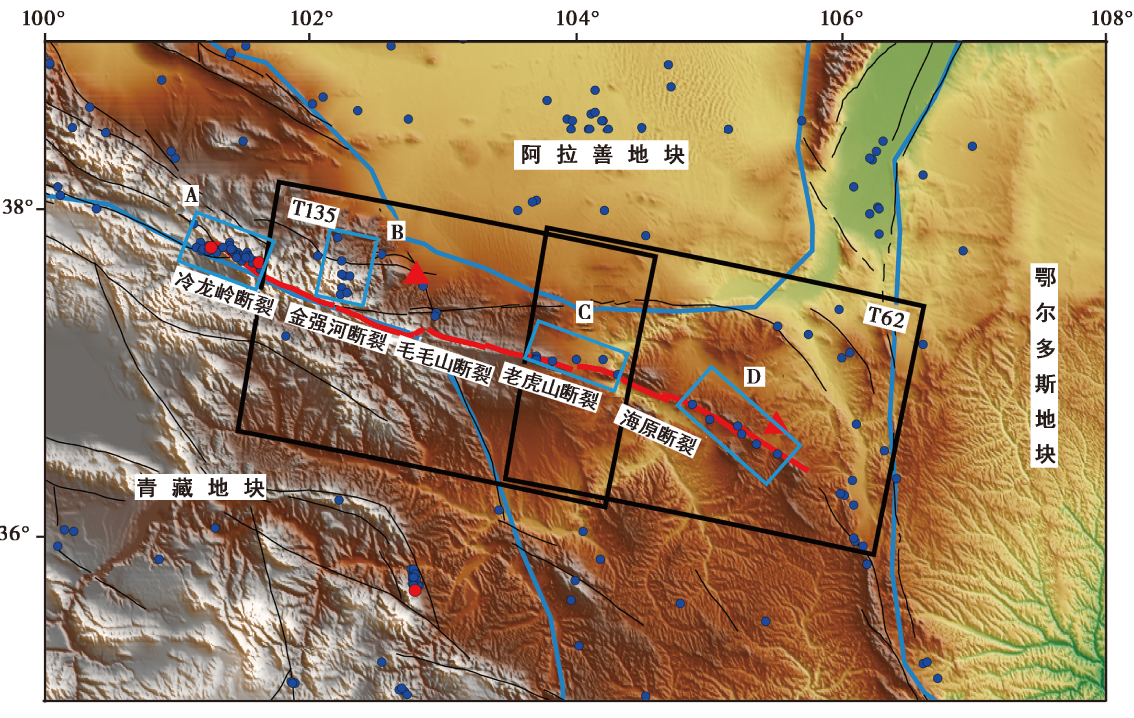
Fig. 1 Geological and structural background of the Haiyuan fault zone.
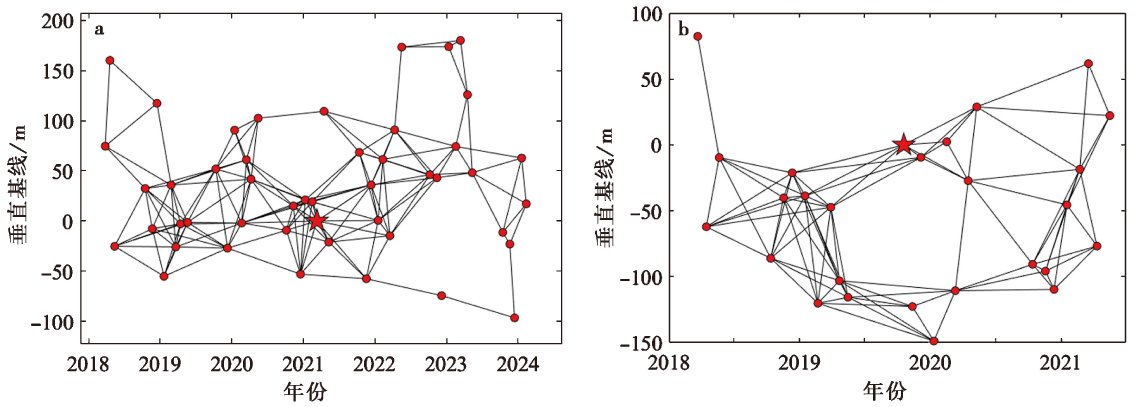
Fig. 2 Temporal-spatial baseline plots for orbits T135(a) and T62(b)image.
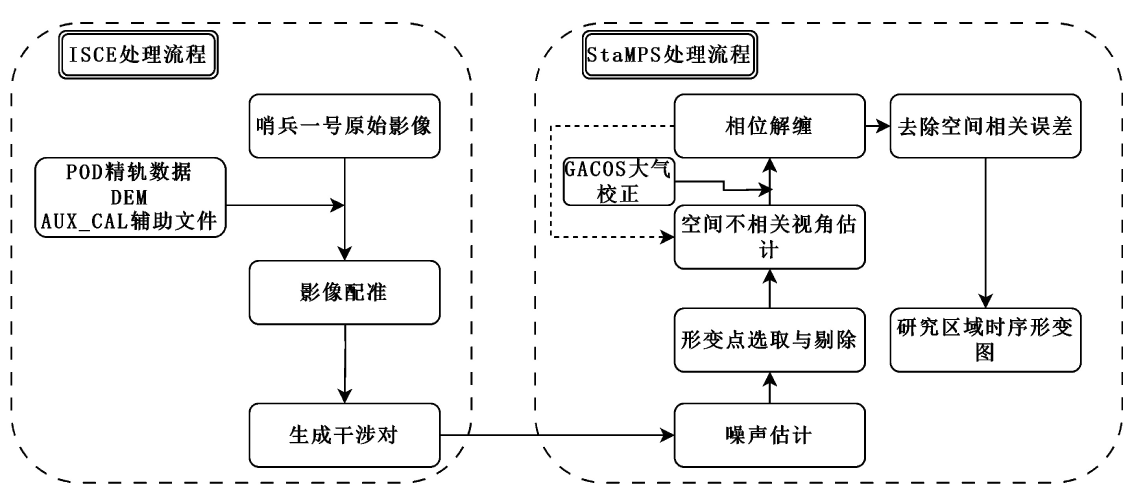
Fig. 3 ISCE combined with StaMPS processing workflow.
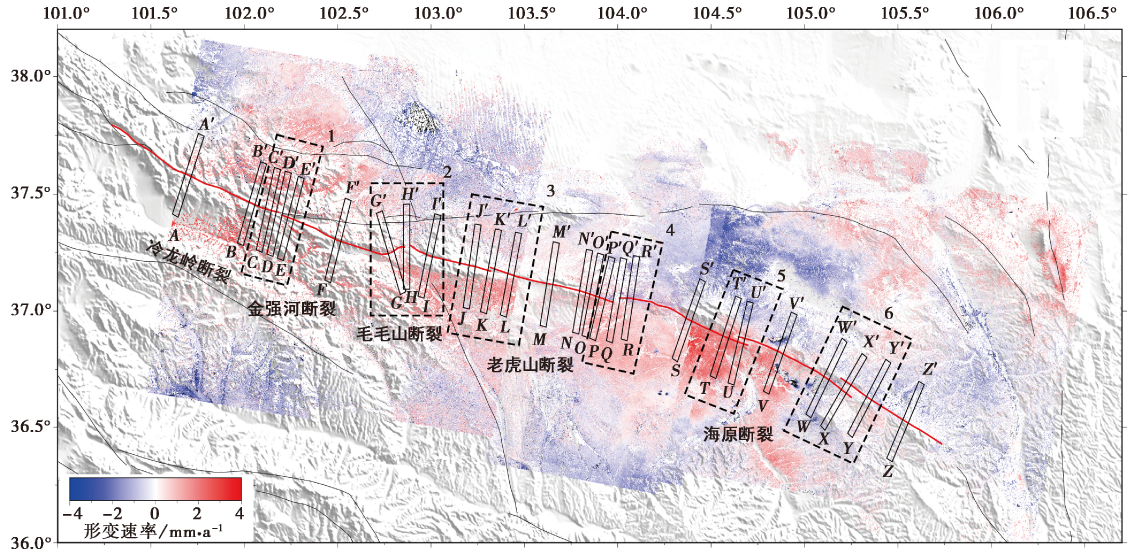
Fig. 4 InSAR interseismic deformation velocity field of the Haiyuan fault zone.
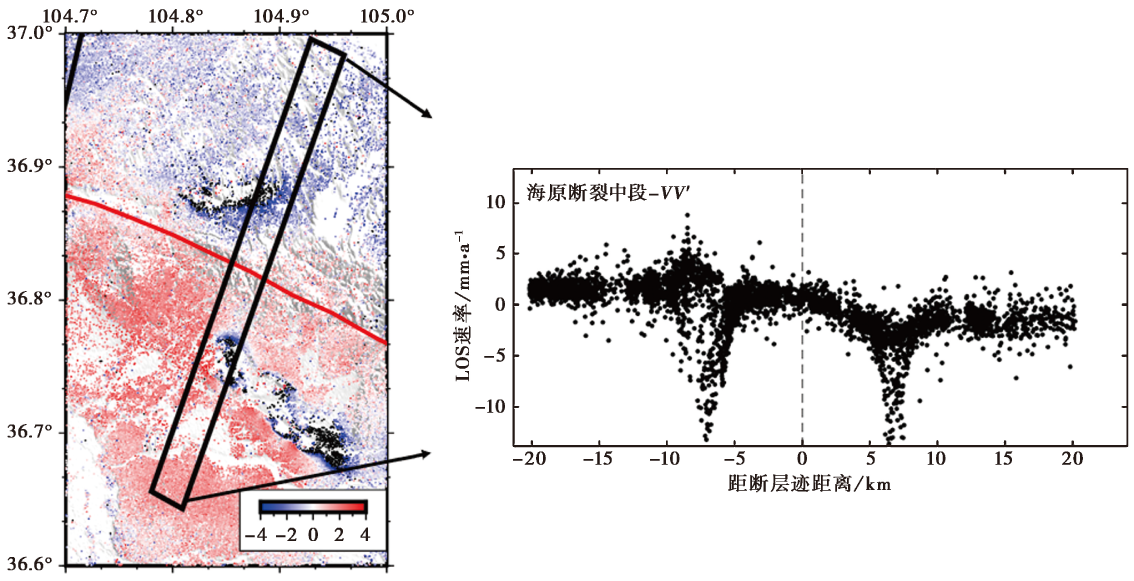
Fig. 5 Deformation rate profile and coverage extent of section VV'.
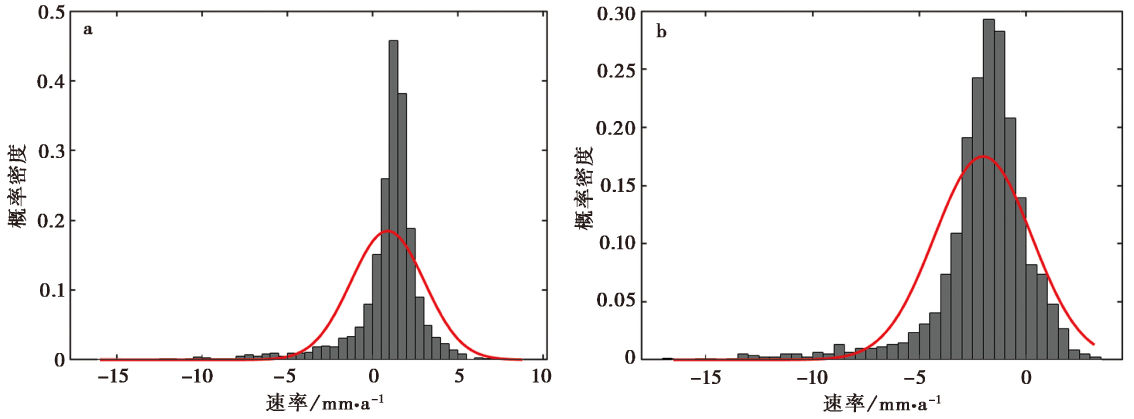
Fig. 6 Statistical chart of deformation rate in the north-south disk along profile VV'.
| 编号 | 南、北盘95%置信 区间形变速率 /mm·a-1 | 南、北盘 95%置信 区间平均 形变速率 /mm·a-1 | 南、北 盘形变 速率差 /mm·a-1 | 编号 | 南、北盘95%置信 区间形变速率 /mm·a-1 | 南、北盘 95%置信 区间平均 形变速率 /mm·a-1 | 南、北 盘形变 速率差 /mm·a-1 |
|---|---|---|---|---|---|---|---|
| AA' | [4.9, 5.3]、[0.9, 1.4] | 5.1、1.1 | 4.0 | NN' | [1.1, 1.2]、[-0.1, 0] | 1.1、-0.1 | 1.2 |
| BB' | [4.6, 4.8]、[3.8, 4.0] | 4.7、3.9 | 0.8 | OO' | [1.1, 1.2]、[-0.5, -0.4] | 1.1、-0.5 | 1.6 |
| CC' | [2.6, 2.8]、[1.6, 1.9] | 2.7、1.8 | 0.9 | PP' | [1.2, 1.3]、[-0.6, -0.5] | 1.3、-0.6 | 1.9 |
| DD' | [2.4, 2.7]、[1.7, 1.9] | 2.6、1.8 | 0.8 | QQ' | [1.1, 1.2]、[-1.4, -1.2] | 1.1、-1.3 | 2.4 |
| EE' | [2.7, 3.0]、[2.0, 2.4] | 2.8、2.3 | 0.5 | RR' | [0.5, 0.7]、[-1.4, -1.3] | 0.6、-1.4 | 2.0 |
| FF' | [2.0, 2.4]、[1.6, 2.0] | 2.2、1.8 | 0.4 | SS' | [3.4, 3.5]、[-0.3, -0.1] | 3.5、-0.2 | 3.7 |
| GG' | [1.5, 1.8]、[0.8, 1.2] | 1.6、1.0 | 0.6 | TT' | [2.0, 2.3]、[0.5, 0.7] | 2.3、0.6 | 1.7 |
| HH' | [1.4, 1.5]、[0.1, 0.2] | 1.4、0.1 | 1.3 | UU' | [1.6, 1.7]、[-0.5, -0.4] | 1.6、-0.5 | 2.1 |
| II' | [1.2, 1.4]、[0.1, 0.2] | 1.3、0.2 | 1.1 | VV' | [0.8, 1.0]、[-2.1, -1.9] | 0.9、-2.0 | 2.9 |
| JJ' | [1.2, 1.4]、[0.1, 0.2] | 1.3、0.2 | 1.1 | WW' | [-1.2, -1.1]、[-0.8, -0.7] | -1.2、-0.8 | -0.4 |
| KK' | [1.6, 1.7]、[0.2, 0.3] | 1.6、0.3 | 1.3 | XX' | [-0.8, -0.6]、[-0.4, -0.3] | -0.7、-0.3 | -0.4 |
| LL' | [1.5, 1.6]、[0.1, 0.2] | 1.5、0.1 | 1.4 | YY' | [-0.3, 0]、[-1.0, -0.9] | -0.1、-0.9 | 0.8 |
| MM' | [0.7, 0.8]、[0.3, 0.4] | 0.8、0.4 | 0.4 | ZZ' | [-0.3, -0.1]、[-1.9, -1.7] | -0.3、-1.8 | 1.5 |
Table1 Differential strain rate between the north and south blocks of the fault
| 编号 | 南、北盘95%置信 区间形变速率 /mm·a-1 | 南、北盘 95%置信 区间平均 形变速率 /mm·a-1 | 南、北 盘形变 速率差 /mm·a-1 | 编号 | 南、北盘95%置信 区间形变速率 /mm·a-1 | 南、北盘 95%置信 区间平均 形变速率 /mm·a-1 | 南、北 盘形变 速率差 /mm·a-1 |
|---|---|---|---|---|---|---|---|
| AA' | [4.9, 5.3]、[0.9, 1.4] | 5.1、1.1 | 4.0 | NN' | [1.1, 1.2]、[-0.1, 0] | 1.1、-0.1 | 1.2 |
| BB' | [4.6, 4.8]、[3.8, 4.0] | 4.7、3.9 | 0.8 | OO' | [1.1, 1.2]、[-0.5, -0.4] | 1.1、-0.5 | 1.6 |
| CC' | [2.6, 2.8]、[1.6, 1.9] | 2.7、1.8 | 0.9 | PP' | [1.2, 1.3]、[-0.6, -0.5] | 1.3、-0.6 | 1.9 |
| DD' | [2.4, 2.7]、[1.7, 1.9] | 2.6、1.8 | 0.8 | QQ' | [1.1, 1.2]、[-1.4, -1.2] | 1.1、-1.3 | 2.4 |
| EE' | [2.7, 3.0]、[2.0, 2.4] | 2.8、2.3 | 0.5 | RR' | [0.5, 0.7]、[-1.4, -1.3] | 0.6、-1.4 | 2.0 |
| FF' | [2.0, 2.4]、[1.6, 2.0] | 2.2、1.8 | 0.4 | SS' | [3.4, 3.5]、[-0.3, -0.1] | 3.5、-0.2 | 3.7 |
| GG' | [1.5, 1.8]、[0.8, 1.2] | 1.6、1.0 | 0.6 | TT' | [2.0, 2.3]、[0.5, 0.7] | 2.3、0.6 | 1.7 |
| HH' | [1.4, 1.5]、[0.1, 0.2] | 1.4、0.1 | 1.3 | UU' | [1.6, 1.7]、[-0.5, -0.4] | 1.6、-0.5 | 2.1 |
| II' | [1.2, 1.4]、[0.1, 0.2] | 1.3、0.2 | 1.1 | VV' | [0.8, 1.0]、[-2.1, -1.9] | 0.9、-2.0 | 2.9 |
| JJ' | [1.2, 1.4]、[0.1, 0.2] | 1.3、0.2 | 1.1 | WW' | [-1.2, -1.1]、[-0.8, -0.7] | -1.2、-0.8 | -0.4 |
| KK' | [1.6, 1.7]、[0.2, 0.3] | 1.6、0.3 | 1.3 | XX' | [-0.8, -0.6]、[-0.4, -0.3] | -0.7、-0.3 | -0.4 |
| LL' | [1.5, 1.6]、[0.1, 0.2] | 1.5、0.1 | 1.4 | YY' | [-0.3, 0]、[-1.0, -0.9] | -0.1、-0.9 | 0.8 |
| MM' | [0.7, 0.8]、[0.3, 0.4] | 0.8、0.4 | 0.4 | ZZ' | [-0.3, -0.1]、[-1.9, -1.7] | -0.3、-1.8 | 1.5 |
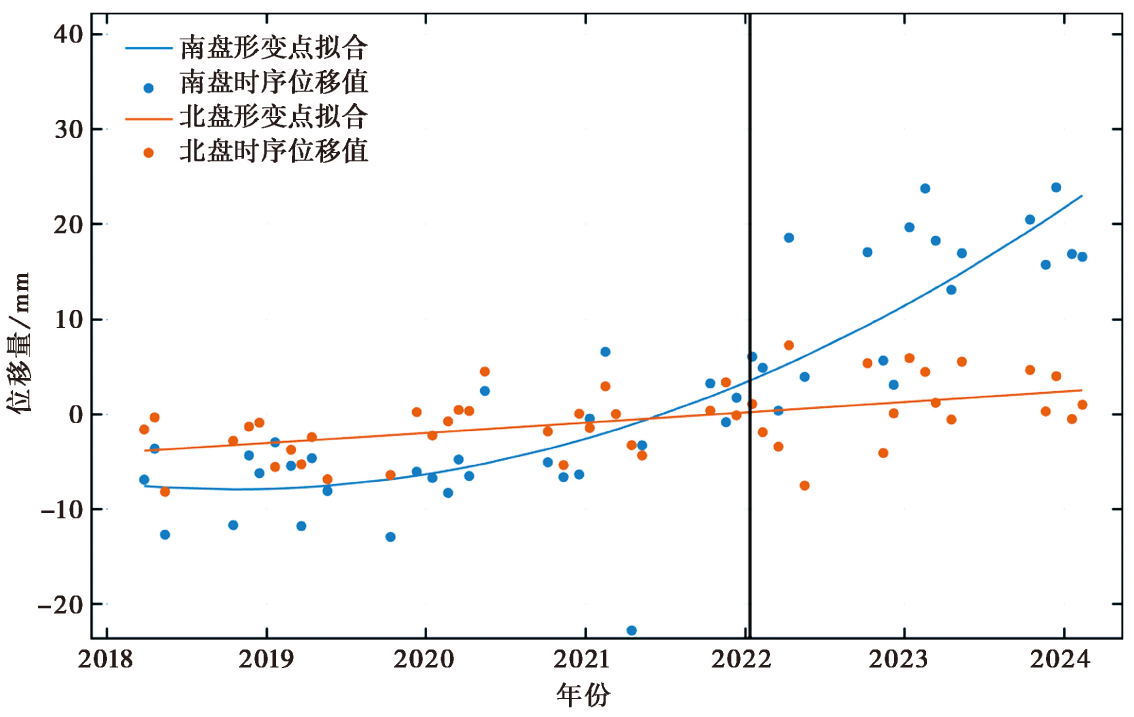
Fig. 7 Deformation point time series and fitted curve Lenglongling profile AA'.
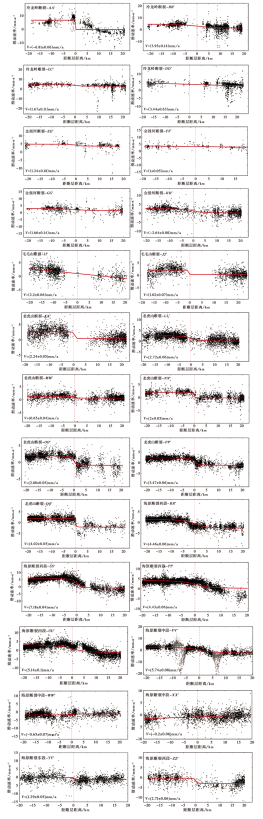
Fig. 8 Deformation rate profiles and slip rate estimates across segments of the Haiyuan fault zone derived.
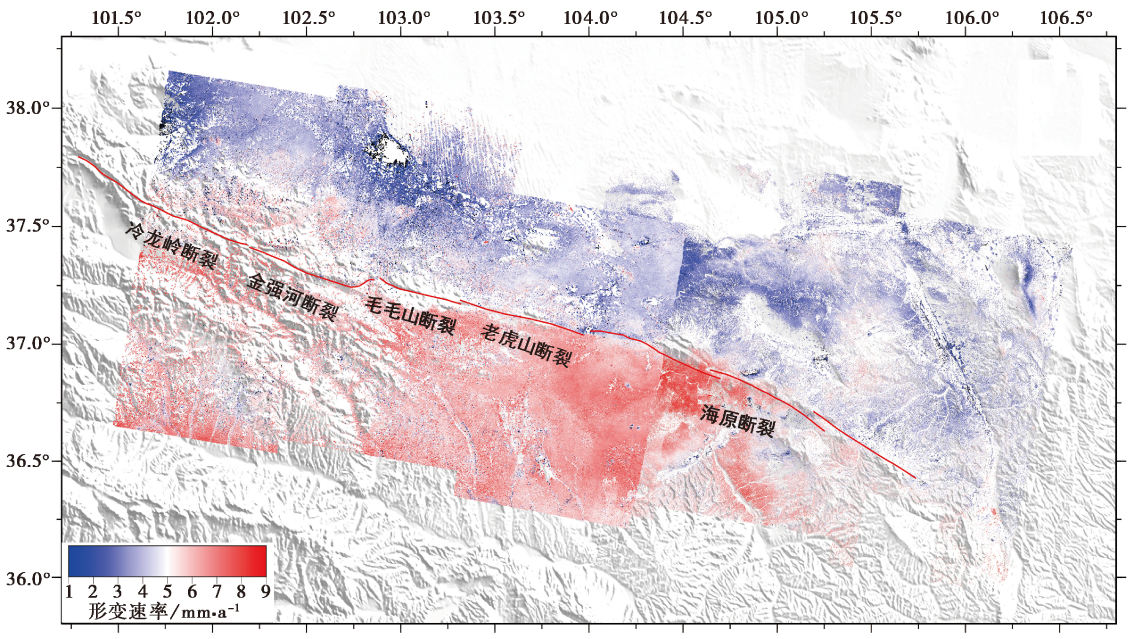
Fig. 9 Deformation fields of T135 and T62 in the Eurasian reference frame.
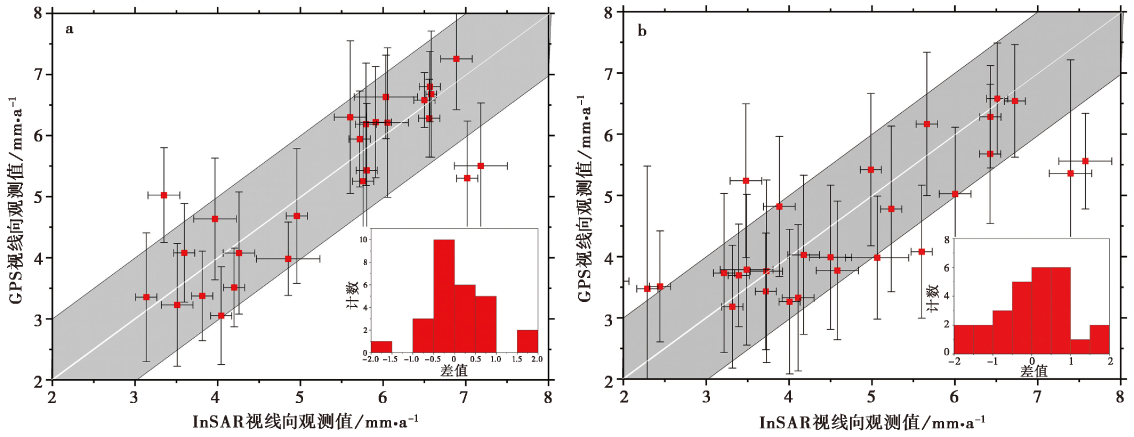
Fig. 10 Comparison of InSAR and GPS deformation results.
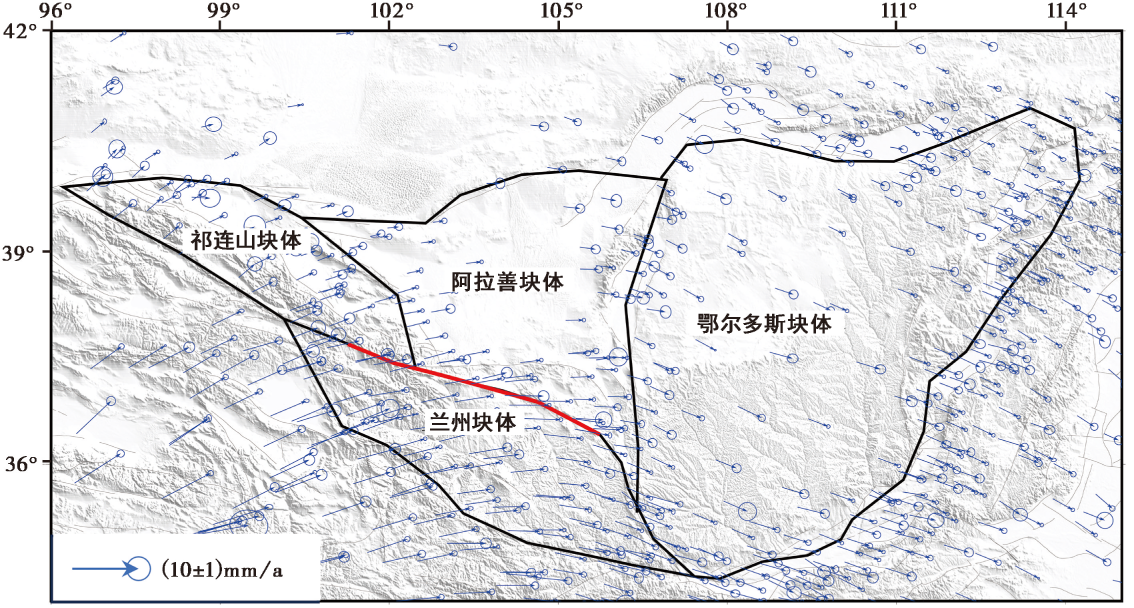
Fig. 11 Block division and GPS velocity field in the surrounding area of the Haiyuan fault zone.
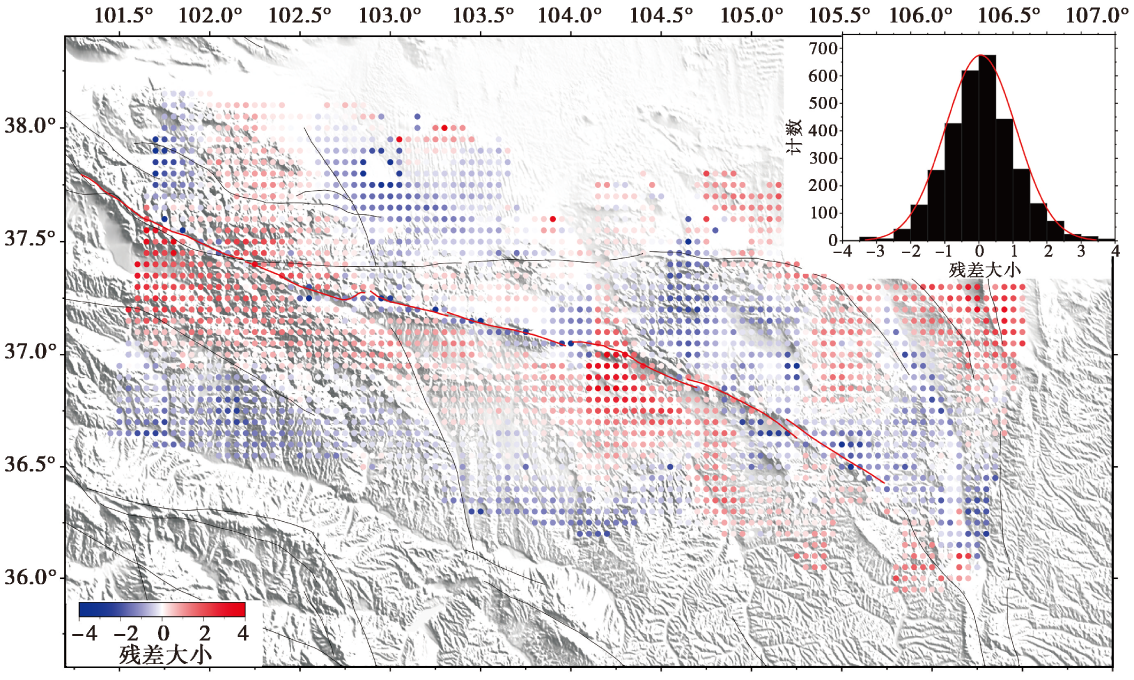
Fig. 12 Inversion residuals.
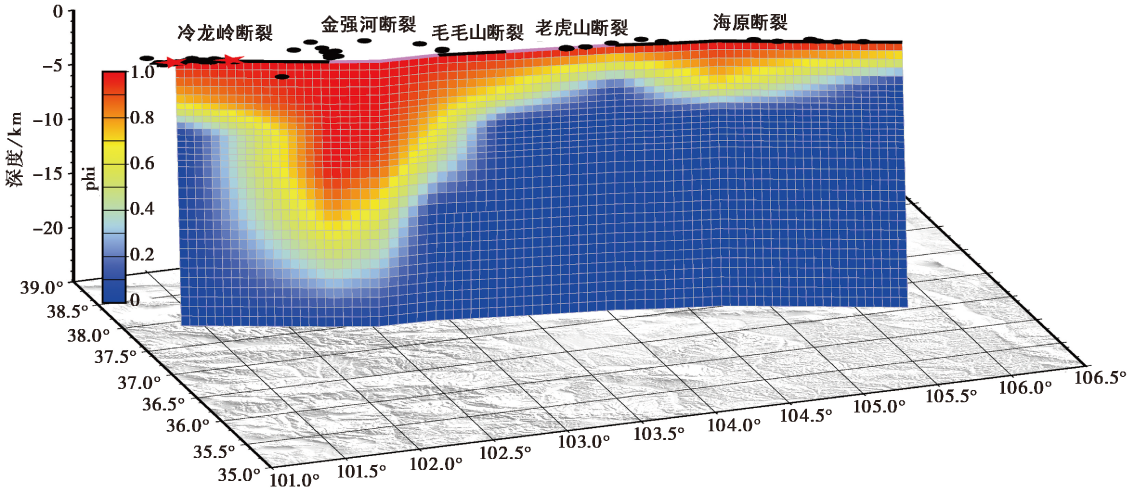
Fig. 13 Locking state of the Haiyuan fault zone.
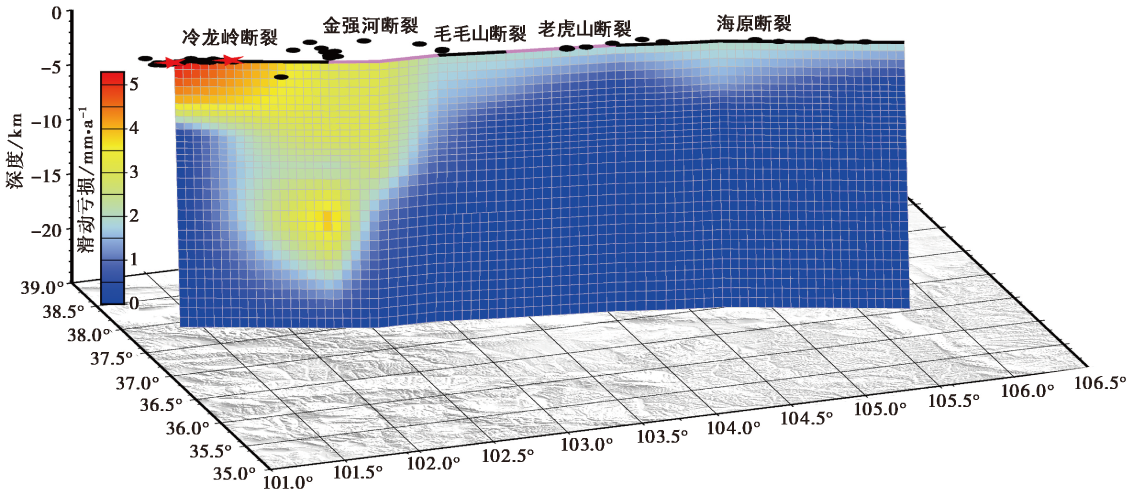
Fig. 14 Distribution of slip deficit in the Haiyuan fault zone.
| [1] |
陈群策, 丰成君, 孟文, 等. 2012. 5·12汶川地震后龙门山断裂带东北段现今地应力测量结果分析[J]. 地球物理学报, 55(12): 3923-3932.
|
|
|
|
| [2] |
崔笃信, 郝明, 李煜航, 等. 2016. 鄂尔多斯块体周缘地区现今地壳水平运动与应变[J]. 地球物理学报, 59(10): 3646-3661.
DOI |
|
|
|
| [3] |
崔笃信, 王庆良, 胡亚轩, 等. 2009. 用GPS数据反演海原断裂带断层滑动速率和闭锁深度[J]. 地震学报, 31(5): 516-525.
|
|
|
|
| [4] |
韩帅, 吴中海, 高扬, 等. 2022. 2022年1月8日青海门源 MS6.9 地震地表破裂考察的初步结果及对冷龙岭断裂活动行为和区域强震危险性的启示[J]. 地质力学学报, 28(2): 155-168.
|
|
|
|
| [5] |
蒋锋云, 季灵运, 赵强. 2021. 海原-六盘山断裂带现今地震危险性的数值模拟分析[J]. 地质力学学报, 27(2): 230-240.
|
|
|
|
| [6] |
刘洪志. 2023. 基于时序InSAR误差校正的海原断裂带广域震间形变研究[D]. 长沙: 中南大学.
|
|
|
|
| [7] |
刘雷, 朱良玉, 季灵运, 等. 2023. 2022年门源 MS6.9 地震前祁连-海原断裂带闭锁程度及地震危险性研究[J]. 地震研究, 46(1): 88-98.
|
|
|
|
| [8] |
乔鑫. 2019. InSAR同震、 震间形变观测及断层运动学参数反演研究[D]. 北京: 中国地震局地质研究所.
|
|
|
|
| [9] |
邵志刚, 冯蔚, 王芃, 等. 2020. 中国大陆活动地块边界带的地震活动特征研究综述[J]. 地震地质, 42(2): 271-282. doi: 10.3969/j.issn.0253-4967.2020.02.002.
|
|
DOI |
|
| [10] |
王伟涛, 张培震, 郑德文, 等. 2014. 青藏高原东北缘海原断裂带晚新生代构造变形[J]. 地学前缘, 21(4): 266-274.
|
|
|
|
| [11] |
许才军, 贺克锋. 2023. 地震周期形变的大地测量研究进展和展望[J]. 武汉大学学报(信息科学版), 48(11): 1736-1755.
|
|
|
|
| [12] |
徐克科, 牛元甫, 伍吉仓. 2014. 联合GPS、 InSAR建立同震地表三维位移场[J]. 大地测量与地球动力学, 34(1): 15-18, 23.
|
|
|
|
| [13] |
叶茂盛, 孟国杰, 苏小宁. 2018. 青藏高原东北缘主要断裂闭锁特征和滑动亏损研究[J]. 地震, 38(3): 1-12.
|
|
|
|
| [14] |
曾琪明, 朱猛, 焦健. 2018. 地震地壳形变InSAR测量中的关键技术分析[J]. 遥感学报, 22(S1): 17-31.
|
|
|
|
| [15] |
朱建军, 李志伟, 胡俊. 2017. InSAR变形监测方法与研究进展[J]. 测绘学报, 46(10): 1717-1733.
DOI |
|
DOI |
|
| [16] |
DOI URL |
| [17] |
|
| [18] |
|
| [19] |
DOI URL |
| [20] |
DOI URL |
| [21] |
DOI URL |
| [22] |
|
| [23] |
|
| [24] |
DOI URL |
| [25] |
|
| [26] |
|
| [27] |
DOI URL |
| [28] |
|
| [29] |
|
| [30] |
DOI URL |
| [31] |
DOI URL |
| [32] |
|
| [33] |
DOI URL |
| [34] |
|
| [35] |
DOI URL |
| [36] |
|
| [37] |
|
| [1] | ZHANG Ying-feng, SHAN Xin-jian, ZHANG Guo-hong, LI Cheng-long, WEN Shao-yan, XIE Quan-cai. THE DEFORMATION OF 2020 MW6.0 KALPINTAGE EARTHQUAKE AND ITS IMPLICATION FOR THE REGIONAL RISK ESTIMATES [J]. SEISMOLOGY AND GEOLOGY, 2021, 43(2): 377-393. |
| [2] | QIAO Xin, QU Chun-yan, SHAN Xin-jian, LI Yan-chuan, ZHU Chuan-hua. DEFORMATION CHARACTERISTICS AND KINEMATIC PARAMETERS INVERSION OF HAIYUAN FAULT ZONE BASED ON TIME SERIES INSAR [J]. SEISMOLOGY AND GEOLOGY, 2019, 41(6): 1481-1496. |
| [3] | LI Tie-ming, XU Yun-ma, YANG Yong-lin, FENG Sheng-tao. STUDY ON DYNAMIC CHANGE OF GRAVITY FIELD IN XIANSHUIHE FAULT ZONE AND THEIR RELATION TO THE OCCURRENCE OF MS ≥ 5.0 EARTHQUAKES [J]. SEISMOLOGY AND GEOLOGY, 2018, 40(6): 1362-1379. |
| [4] | XU Xi-wei, WU Xi-yan, YU Gui-hua, TAN Xi-bin, LI Kang. SEISMO-GEOLOGICAL SIGNATURES FOR IDENTIFYING M≥7.0 EARTHQUAKE RISK AREAS AND THEIR PREMILIMARY APPLICATION IN MAINLAND CHINA [J]. SEISMOLOGY AND GEOLOGY, 2017, 39(2): 219-275. |
| [5] | WANG Yan-zhao, WANG Min, SHEN Zheng-kang, SHAO De-sheng, SHI Fa-qi. PRESENT-DAY SLIP RATES AND POTENTIAL EARTHQUAKE RISKS ALONG THE NUJIANG FAULT [J]. SEISMOLOGY AND GEOLOGY, 2015, 37(2): 374-383. |
| [6] | ZHAO Jing, LIU Jie, NIU An-fu, YAN Wei. STUDY ON FAULT LOCKING CHARACTERISTIC AROUND THE DALIANGSHAN SUB-BLOCK [J]. SEISMOLOGY AND GEOLOGY, 2014, 36(4): 1135-1144. |
| [7] | CHEN Tao, ZHANG Hui-ping, WANG Wei-tao. TOPOGRAPHIC VARIATION ALONG THE MIDDLE-EAST SEGMENT OF HAIYUAN FAULT ZONE AND ITS IMPLICATIONS [J]. SEISMOLOGY AND GEOLOGY, 2014, 36(2): 449-463. |
| [8] | CHEN Wei-tao, GAN Wei-jun, XIAO Gen-ru, LIANG Shi-ming, SHENG Chuan-Zhen. THE IMPACT OF 2011 TOHOKU-OKI EARTHQUAKE IN JAPAN ON CRUSTAL DEFORMATION OF NORTHEASTERN REGION IN CHINA [J]. SEISMOLOGY AND GEOLOGY, 2012, (3): 425-439. |
| [9] | ZHOU Xiao-cheng, WANG Chuan-yuan, CHAI Chi-zhang, SI Xue-yun, LEI Qi-yun, LI Ying, XIE Chao, LIU Sheng-chang. THE GEOCHEMICAL CHARACTERISTICS OF SOIL GAS IN THE SOUTHEASTERN PART OF HAIYUAN FAULT [J]. SEISMOLOGY AND GEOLOGY, 2011, 33(1): 123-132. |
| [10] | YI Gui-xi, WEN Xue-ze, ZHANG Zhi-wei, LONG Feng, RUAN Xiang, DU Fang. STUDY ON POTENTIAL STRONG EARTHQUAKE RISK IN MABIAN AREA,SOUTHERN SICHUAN [J]. SEISMOLOGY AND GEOLOGY, 2010, 32(2): 282-293. |
| [11] | TIAN Qin-jian, LI Zhi-min, ZHANG Jun-long, REN Zhi-kun. A PRELIMINARY STUDY ON SEISMOTECTONIC MODEL FOR THE ACTIVE FAULTS IN XINING URBAN AREA [J]. SEISMOLOGY AND EGOLOGY, 2007, 29(2): 311-319. |
| [12] | YI Gui-xi, WEN Xue-ze. THE APPLICATION AND LIMITATION OF MULTIPLE SEISMICITY PARAMETERS TO ASSESSING CURRENT FAULTING BEHAVIOR AND SEISMIC POTENTIAL OF ACTIVE FAULT ZONES [J]. SEISMOLOGY AND GEOLOGY, 2007, 29(2): 254-271. |
| [13] | CHEN Li-chun, LIANG Hui, RAN Yong-kang, CHEN Yu-xiang. EARTHQUAKE RISK ASSESSMENT OF THE MAIN FAULTS IN HARBIN URBAN AREA [J]. SEISMOLOGY AND GEOLOGY, 2006, 28(4): 675-689. |
| [14] | Tian Qinjian, Shen Xuhui, Ding Guoyu, Chen Zhengwei, Wei Kaibo, Xing Chenqi, Chai Zhizhang. DISCOVERY AND PRELIMINARY STUDY OF THE LAOLONGWAN TERTIARY PULL-APART BASIN IN THE HAIYUAN FAULT ZONE [J]. SEISMOLOGY AND GEOLOGY, 2000, 22(3): 329-336. |
| [15] | Xie Furen, Shu Saibin, Dou Suqin, Zhang Shiming. QUATERNARY TECTONIC STRESS FIELD IN THE REGION OF HAIYUAN-LIUPANSHAN FAULT ZONE TO YINCHUAN FAULT-DEPRESSION [J]. SEISMOLOGY AND EGOLOGY, 2000, 22(2): 139-146. |
| Viewed | ||||||
|
Full text |
|
|||||
|
Abstract |
|
|||||
Copyright © SEISMOLOGY AND GEOLOGY, All Rights Reserved.
Tel: 010-62009049/9063 E-mail: dzdz@ies.ac.cn
Powered by Beijing Magtech Co., Ltd.