
SEISMOLOGY AND GEOLOGY ›› 2026, Vol. 48 ›› Issue (4): 921-940.DOI: 10.3969/j.issn.0253-4967.20250006
• Research paper • Previous Articles Next Articles
APPLICATION OF HVSR INVERSION METHOD BASED ON COVARIANCE MATRIX ADAPTIVE EVOLUTION STRATEGY (CMA-ES) ON TAILINGS DAM STRUCTURE DETECTION
LI Rui-jing1)( ), XIE Fan1),*(), DONG Li-na2), LI De-kang1), JIAO Cheng-li3)
- 1)
State Key Laboratory of Earthquake Dynamics and Forecasting ,Institute of Geophysics, China Earthquake Administration
2)Chengde Shuangluan Jianlong Mining Co. ,Ltd
3)Hebei Earthquake Agency
-
Received:2025-09-25Revised:2025-11-29Online:2026-08-20Published:2026-09-09
基于协方差矩阵自适应演化策略(CMA-ES)的HVSR反演方法在尾矿坝结构探测中的应用
李锐菁1)(), 谢凡1),*(), 董丽娜2), 李德康1), 焦成丽3)
- 1)
中国地震局地球物理研究所 ,地震动力学与强震预测全国重点实验室
2)承德市双滦建龙矿业有限公司
3)河北省地震局
-
通讯作者:* 谢凡, 男, 研究员, 主要从事环境地震学研究及其应用, E-mail: xiefan@cea-igp.ac.cn。 -
作者简介:李锐菁, 女, 1997年生, 2025年于中国地震局地球物理研究所获得固体地球物理学专业硕士学位, 主要从事背景噪声探测和结构健康监测等方面的研究工作, E-mail: liruijingg@gmail.com。
-
基金资助:中国地震局地球物理研究所基本科研业务专项(DQJB25B44)

Cite this article
LI Rui-jing, XIE Fan, DONG Li-na, LI De-kang, JIAO Cheng-li. APPLICATION OF HVSR INVERSION METHOD BASED ON COVARIANCE MATRIX ADAPTIVE EVOLUTION STRATEGY (CMA-ES) ON TAILINGS DAM STRUCTURE DETECTION[J]. SEISMOLOGY AND GEOLOGY, 2026, 48(4): 921-940.
李锐菁, 谢凡, 董丽娜, 李德康, 焦成丽. 基于协方差矩阵自适应演化策略(CMA-ES)的HVSR反演方法在尾矿坝结构探测中的应用[J]. 地震地质, 2026, 48(4): 921-940.
share this article
Add to citation manager EndNote|Ris|BibTeX
URL: https://www.dzdz.ac.cn/EN/10.3969/j.issn.0253-4967.20250006
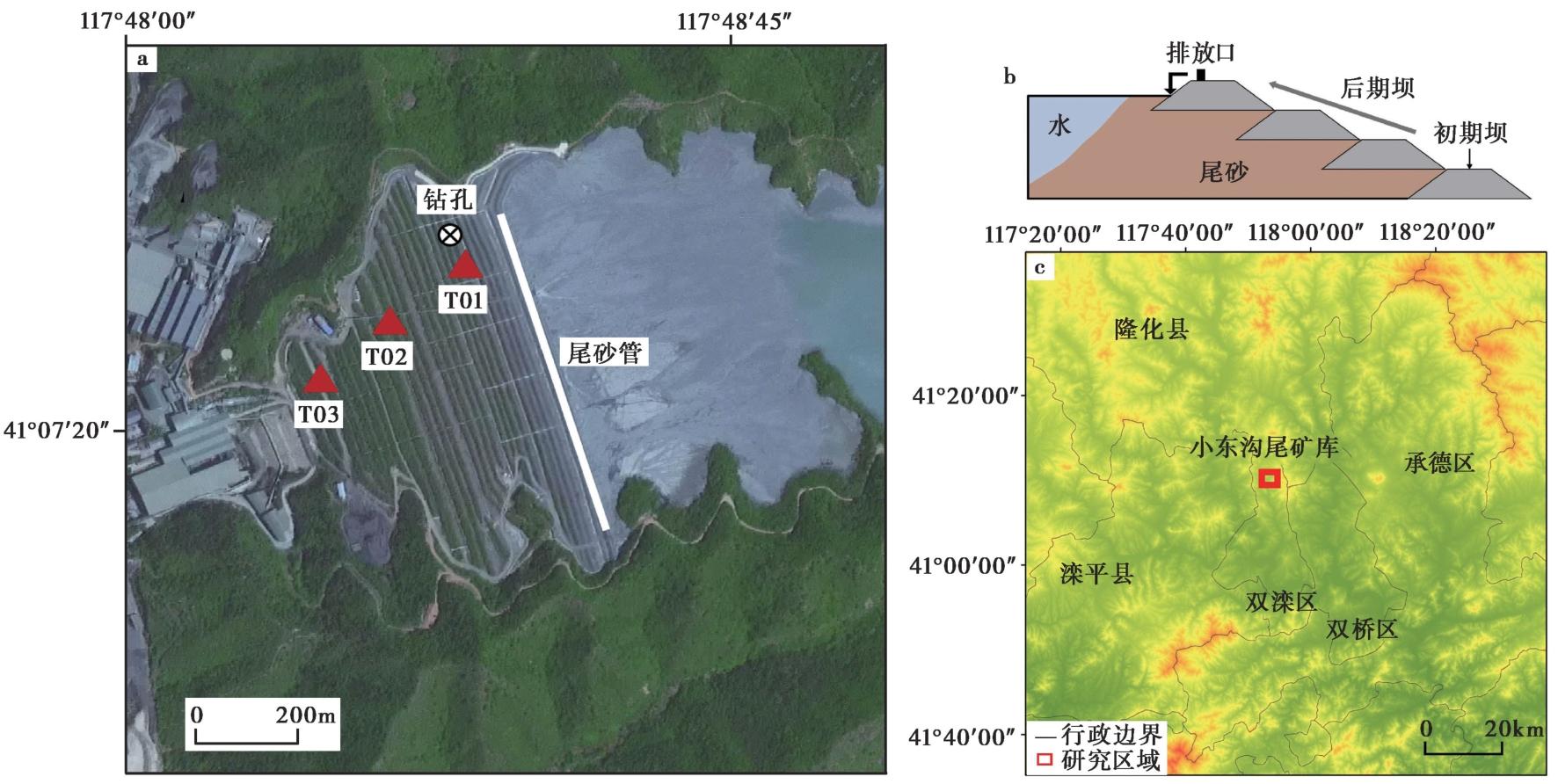
Fig. 1 Station distribution in the tailings dam area(a); Upstream method tailings storage structure(b); Location of Xiaodonggou tailings dam(c).
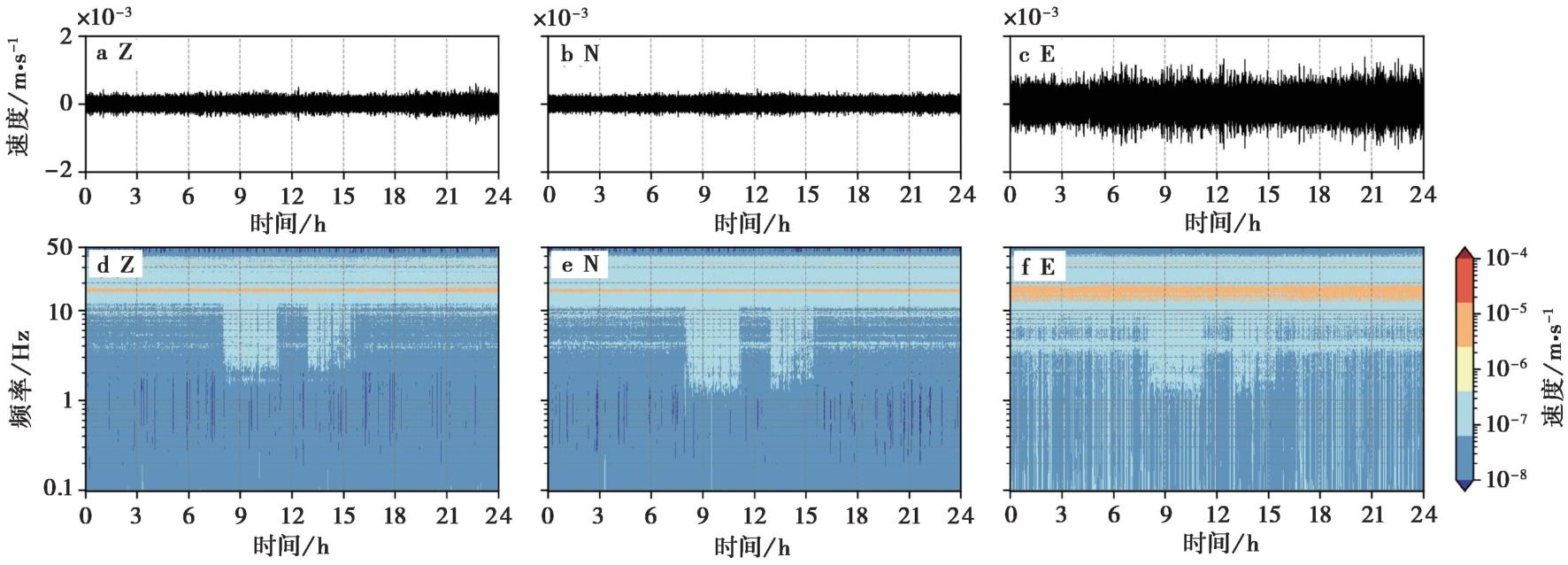
Fig. 2 Spectrogram of the velocity components at station T01 over one day.
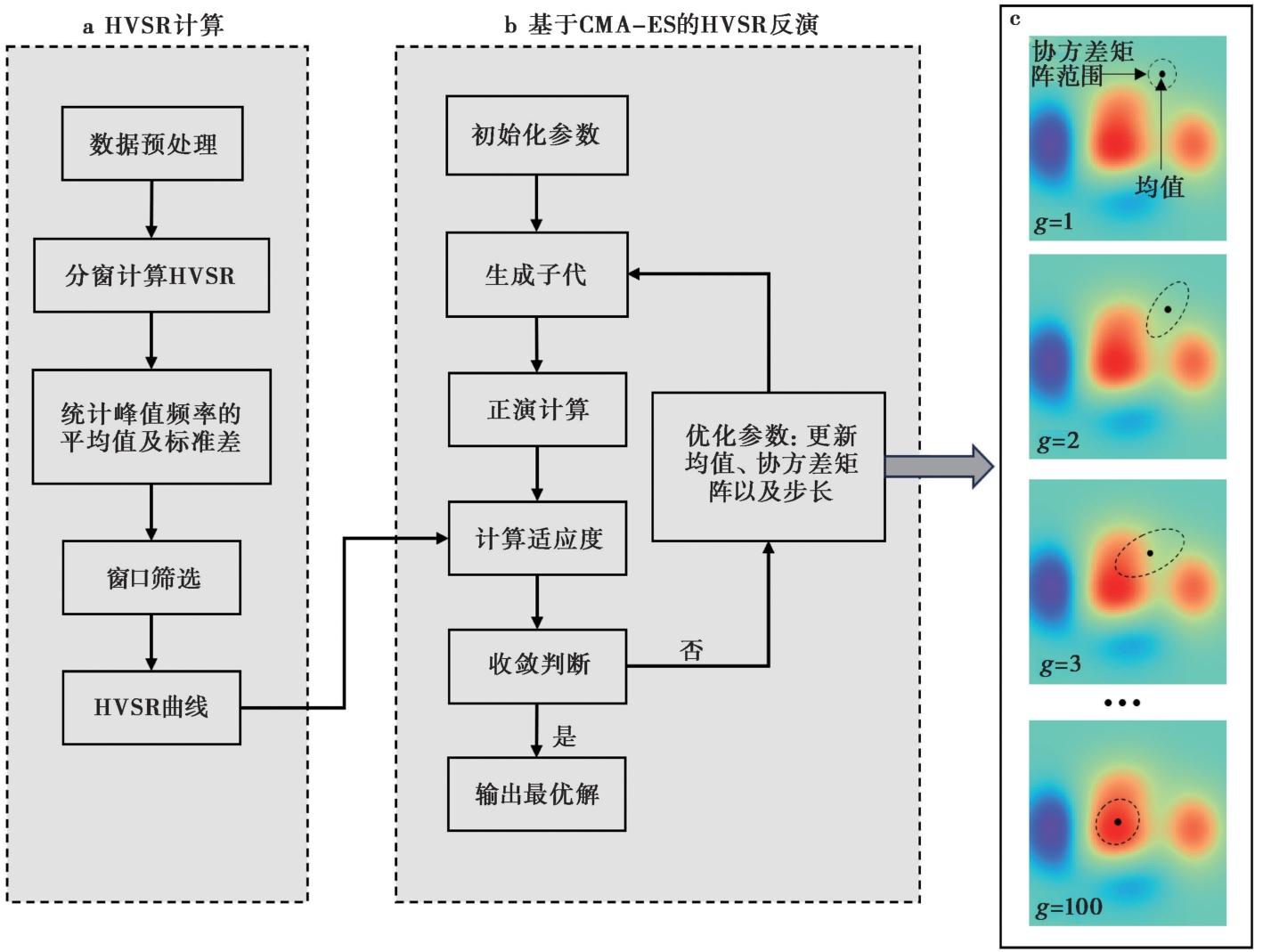
Fig. 3 Technical workflow in this study.
| 频率范围/Hz | <0.2 | 0.2~0.5 | 0.5~1.0 | 1.0~2.0 | >2.0 |
|---|---|---|---|---|---|
| 阈值εf0/Hz | 0.25μf0 | 0.2μf0 | 0.15μf0 | 0.1μf0 | 0.05μf0 |
Table2 Threshold values for assessment of the fifth SESAME criterion
| 频率范围/Hz | <0.2 | 0.2~0.5 | 0.5~1.0 | 1.0~2.0 | >2.0 |
|---|---|---|---|---|---|
| 阈值εf0/Hz | 0.25μf0 | 0.2μf0 | 0.15μf0 | 0.1μf0 | 0.05μf0 |
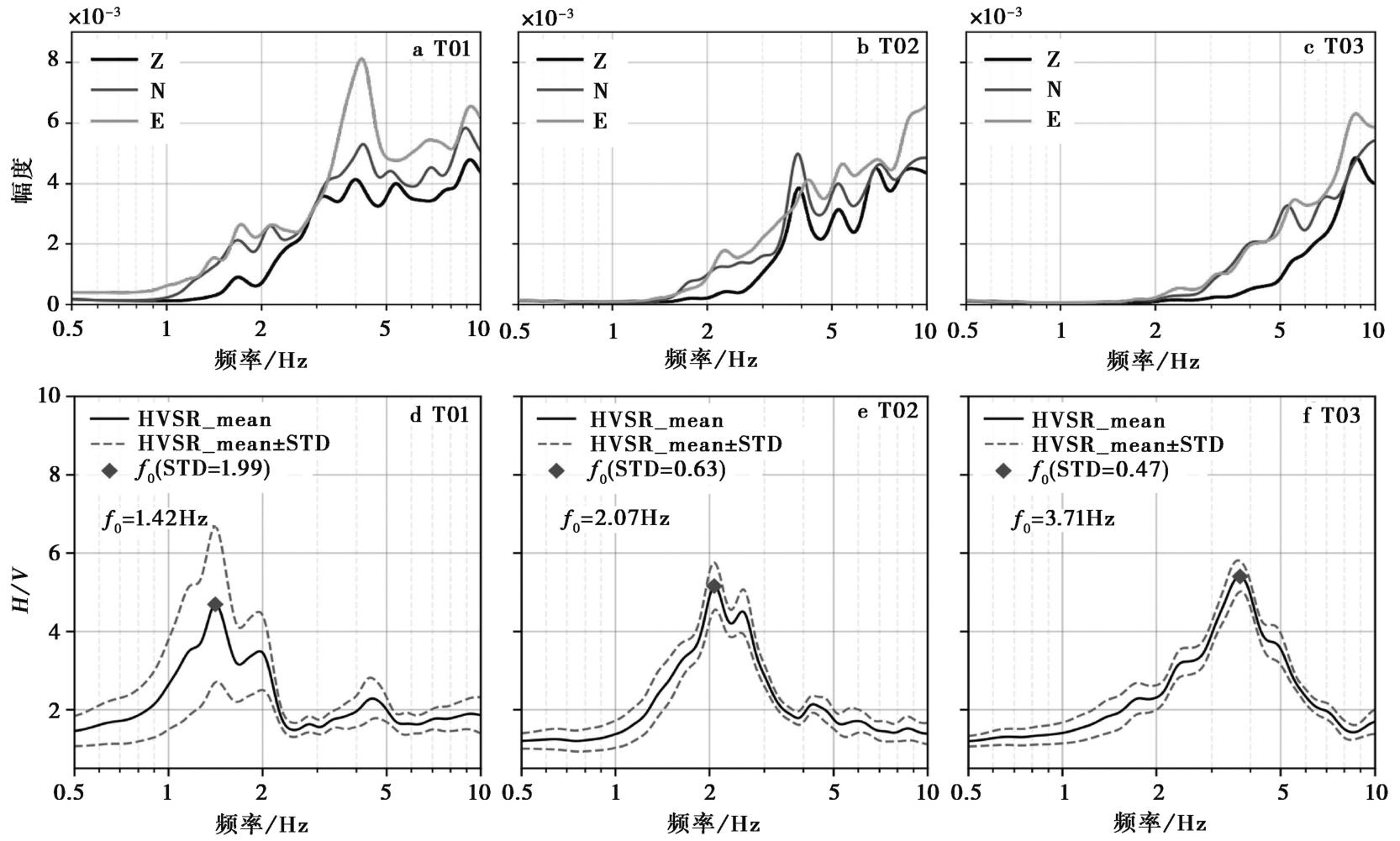
Fig. 4 Frequency-domain curves of components and HVSR curves for each station.
| 层 | 深度/m | VS/m·s-1 | 密度/g·cm-3 | 阻尼因子 |
|---|---|---|---|---|
| 第1层 | 5~30 | 100~300 | 1.6 | 0.07 |
| 第2层 | 10~60 | 300~900 | 1.8 | 0.05 |
| 半空间层 | 0 | 700~1800 | 2.0 | 0.03 |
Table3 Inversion parameter search range
| 层 | 深度/m | VS/m·s-1 | 密度/g·cm-3 | 阻尼因子 |
|---|---|---|---|---|
| 第1层 | 5~30 | 100~300 | 1.6 | 0.07 |
| 第2层 | 10~60 | 300~900 | 1.8 | 0.05 |
| 半空间层 | 0 | 700~1800 | 2.0 | 0.03 |
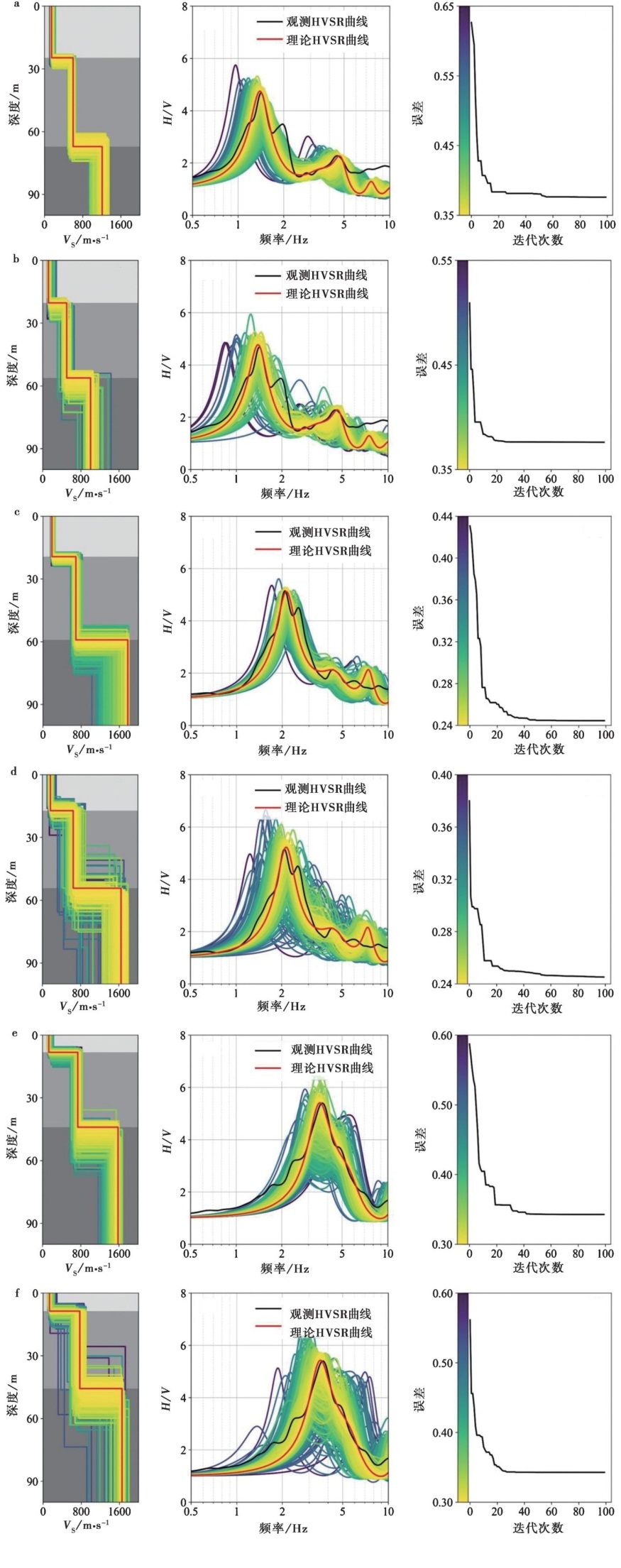
Fig. 5 Inversion results for each station.
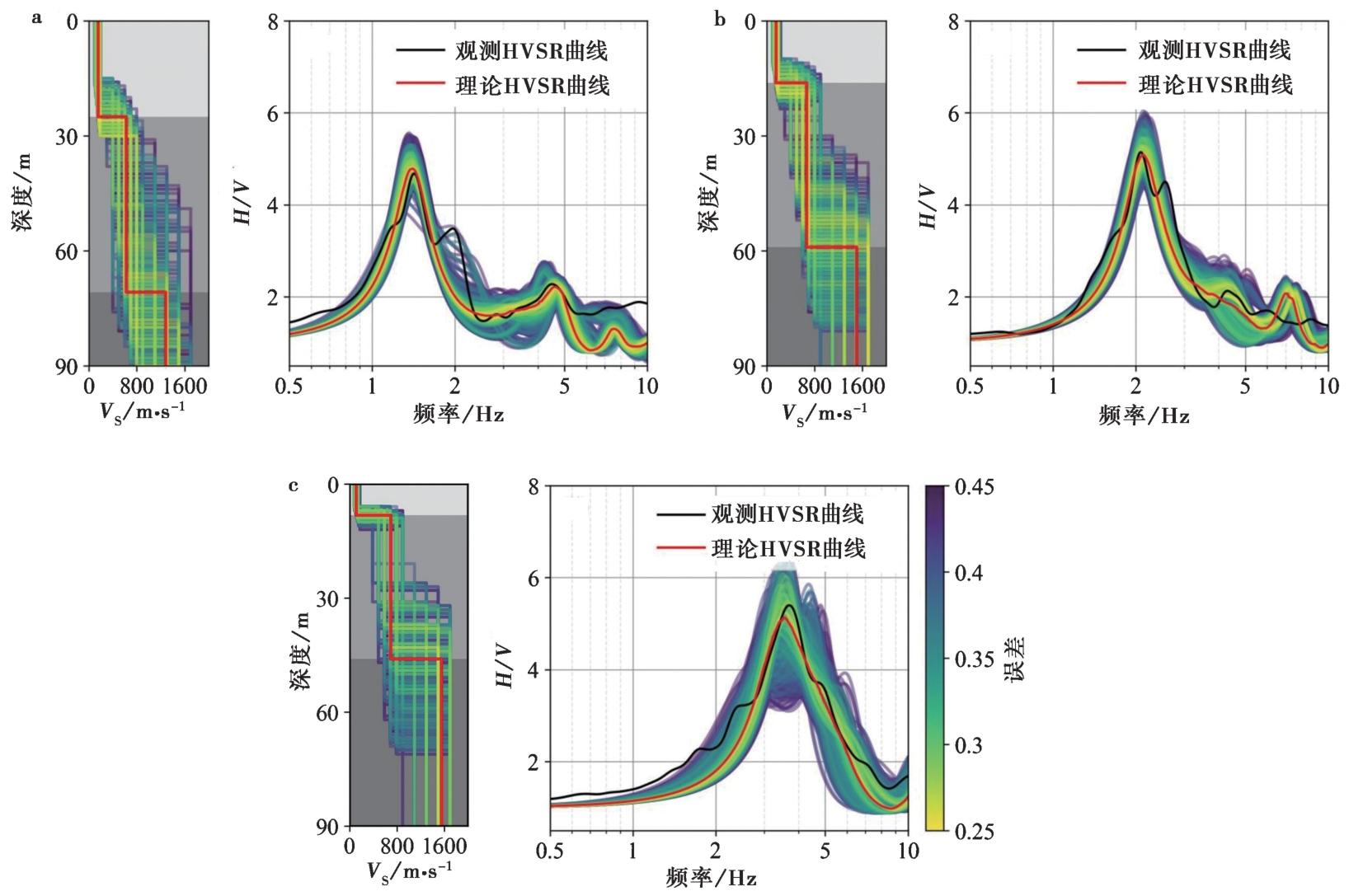
Fig. 6 Inversion results for each station.
| 台站 | 变量 | 反演方法 | 第1层 | 第2层 | 半空间层 |
|---|---|---|---|---|---|
| T01 | 深度/m | CMA-ES | 24.7±1.2 | 42.5±2.0 | |
| PSO | 20.4±1.3 | 35.9±2.5 | |||
| GSM | 25.4±3.8 | 45.8±10.4 | |||
VS/m·s-1 | CMA-ES | 150.3±21.7 | 600.5±66.5 | 1210.8±157 | |
| PSO | 123.4±27.1 | 504±98.2 | 1005±155.3 | ||
| GSM | 153.4±23.3 | 620±108.6 | 1286±194.4 | ||
| T02 | 深度/m | CMA-ES | 19.3±1.1 | 39.8±2.4 | |
| PSO | 17.2±1.3 | 37.1±3.2 | |||
| GSM | 16.2±2.3 | 42.9±9.4 | |||
VS/m·s-1 | CMA-ES | 188.5±25.4 | 692.6±39.2 | 1778±336 | |
| PSO | 167.7±40.8 | 646.4±192.8 | 1647.9±172 | ||
| GSM | 154.9±23.8 | 671±108.9 | 1504±195.9 | ||
| T03 | 深度/m | CMA-ES | 8.3±1.3 | 35.8±3.6 | |
| PSO | 8.6±1.4 | 37.1±4.0 | |||
| GSM | 8.2±1.4 | 37.8±9.6 | |||
VS/m·s-1 | CMA-ES | 133±27.1 | 739±52.5 | 1582.4±224.5 | |
| PSO | 138.6±30 | 769.1±156 | 1655.7±132.5 | ||
| GSM | 130.9±27.3 | 707±106.1 | 1554±169.4 |
Table 4 The inversion results using different methods for each station
| 台站 | 变量 | 反演方法 | 第1层 | 第2层 | 半空间层 |
|---|---|---|---|---|---|
| T01 | 深度/m | CMA-ES | 24.7±1.2 | 42.5±2.0 | |
| PSO | 20.4±1.3 | 35.9±2.5 | |||
| GSM | 25.4±3.8 | 45.8±10.4 | |||
VS/m·s-1 | CMA-ES | 150.3±21.7 | 600.5±66.5 | 1210.8±157 | |
| PSO | 123.4±27.1 | 504±98.2 | 1005±155.3 | ||
| GSM | 153.4±23.3 | 620±108.6 | 1286±194.4 | ||
| T02 | 深度/m | CMA-ES | 19.3±1.1 | 39.8±2.4 | |
| PSO | 17.2±1.3 | 37.1±3.2 | |||
| GSM | 16.2±2.3 | 42.9±9.4 | |||
VS/m·s-1 | CMA-ES | 188.5±25.4 | 692.6±39.2 | 1778±336 | |
| PSO | 167.7±40.8 | 646.4±192.8 | 1647.9±172 | ||
| GSM | 154.9±23.8 | 671±108.9 | 1504±195.9 | ||
| T03 | 深度/m | CMA-ES | 8.3±1.3 | 35.8±3.6 | |
| PSO | 8.6±1.4 | 37.1±4.0 | |||
| GSM | 8.2±1.4 | 37.8±9.6 | |||
VS/m·s-1 | CMA-ES | 133±27.1 | 739±52.5 | 1582.4±224.5 | |
| PSO | 138.6±30 | 769.1±156 | 1655.7±132.5 | ||
| GSM | 130.9±27.3 | 707±106.1 | 1554±169.4 |
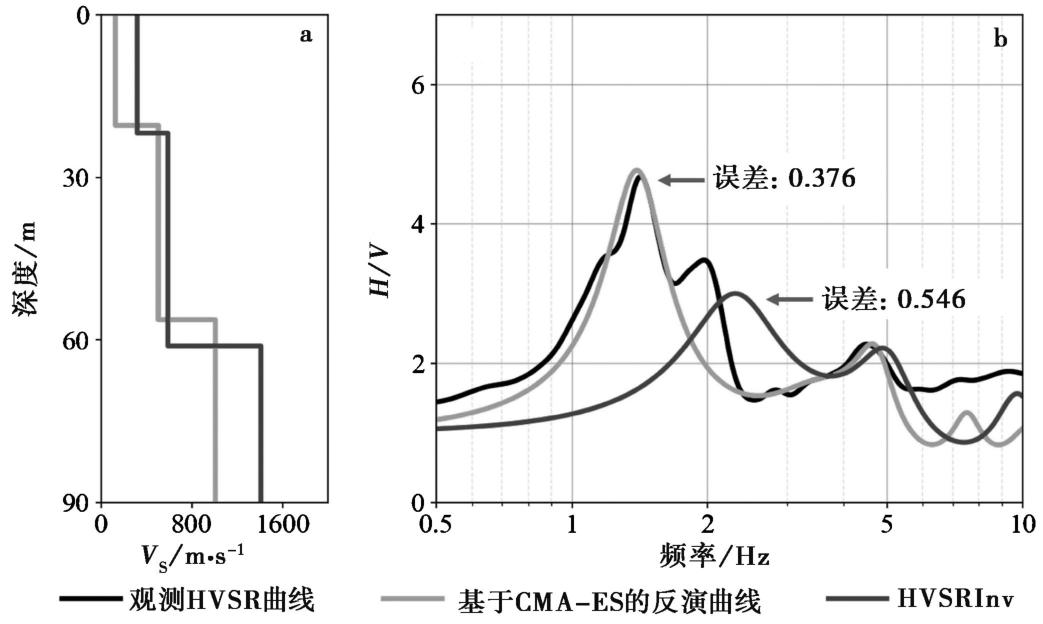
Fig. 7 Inversion results using different algorithms for station T01.
| 变量 | 反演方法 | 第1层 | 第2层 | 半空间层 |
|---|---|---|---|---|
| 深度/m | HVSRInv | 21.8 | 39.3 | |
| CMA-ES | 24.7 | 42.5 | ||
| VS/m·s-1 | HVSRInv | 315.7 | 584.6 | 1404.4 |
| CMA-ES | 150.3 | 600.5 | 1210.8 |
Table 5 Inversion results of different algorithms for station T01
| 变量 | 反演方法 | 第1层 | 第2层 | 半空间层 |
|---|---|---|---|---|
| 深度/m | HVSRInv | 21.8 | 39.3 | |
| CMA-ES | 24.7 | 42.5 | ||
| VS/m·s-1 | HVSRInv | 315.7 | 584.6 | 1404.4 |
| CMA-ES | 150.3 | 600.5 | 1210.8 |
| 界面 | 变量 | CMA-ES | PSO | GSM | HVSRInv | 钻孔数据 |
|---|---|---|---|---|---|---|
| 浸润线 | 深度/m | 24.7 | 20.5 | 25.4 | 21.8 | |
| 误差/% | 1.6% | 15.6% | 4.5% | 10.3% | 24.3m | |
| 尾粉土与角砾间的界面 | 深度/m | 69.2 | 56.3 | 71.2 | 61.1 | |
| 误差/% | 0.4% | 19% | 2.4% | 12.1% | 69.5m |
Table 6 The error between the inversion results and the bore hole data
| 界面 | 变量 | CMA-ES | PSO | GSM | HVSRInv | 钻孔数据 |
|---|---|---|---|---|---|---|
| 浸润线 | 深度/m | 24.7 | 20.5 | 25.4 | 21.8 | |
| 误差/% | 1.6% | 15.6% | 4.5% | 10.3% | 24.3m | |
| 尾粉土与角砾间的界面 | 深度/m | 69.2 | 56.3 | 71.2 | 61.1 | |
| 误差/% | 0.4% | 19% | 2.4% | 12.1% | 69.5m |
| [1] |
倪红玉, 张若晗, 李俊伦, 等. 2023. 地震背景噪声HVSR方法在安徽明光城市场地响应特征和活断层探测中的应用[J]. 地球物理学报, 66(11): 4552-4571.
|
|
|
|
| [2] |
荣棉水, 符力耘, 李小军. 2018. 基于单台加速度记录的混合全局优化HVSR反演场地浅层速度结构[J]. 地球物理学报, 61(3): 938-947.
DOI |
|
|
|
| [3] |
阮明明, 刘巧霞, 段永红, 等. 2024. 地震背景噪声HVSR法探测雄安地区场地响应和浅层沉积结构[J]. 地震地质, 46(5): 1106-1122. doi: 10.3969/j.issn.0253-4967.2024.05.007.
|
|
DOI |
|
| [4] |
施灿海, 刘明生, 程立家, 等. 2024. 尾矿综合利用研究进展及工程实践[J]. 中国矿业, 33(2): 107-114.
|
|
|
|
| [5] |
孙晓倩, 储日升, 曾求, 等. 2024. 利用HVSR方法探测四川理县西山村滑坡速度结构[J]. 地球物理学报, 67(4): 1515-1526.
|
|
|
|
| [6] |
王京彬, 卫晓锋, 张会琼, 等. 2020. 基于地质建造的生态地质调查方法: 以河北省承德市国家生态文明示范区综合地质调查为例[J]. 中国地质, 47(6): 1611-1624.
|
|
|
|
| [7] |
王伟君, 陈棋福, 齐诚, 等. 2011. 利用噪声HVSR方法探测近地表结构的可能性和局限性: 以保定地区为例[J]. 地球物理学报, 54(7): 1783-1797.
|
|
|
|
| [8] |
张若晗, 徐佩芬, 凌甦群, 等. 2020. 基于微动H/V谱比法的土石分界面探测研究: 以济南中心城区为例[J]. 地球物理学报, 63(1): 339-350.
DOI |
|
|
|
| [9] |
|
| [10] |
DOI URL |
| [11] |
DOI URL |
| [12] |
DOI URL |
| [13] |
|
| [14] |
DOI |
| [15] |
DOI URL |
| [16] |
DOI URL |
| [17] |
DOI URL |
| [18] |
DOI URL |
| [19] |
DOI URL |
| [20] |
DOI URL |
| [21] |
|
| [22] |
DOI URL |
| [23] |
DOI |
| [24] |
DOI URL |
| [25] |
DOI URL |
| [26] |
DOI URL |
| [27] |
DOI URL |
| [28] |
DOI URL |
| [29] |
|
| [30] |
|
| [31] |
|
| [32] |
DOI URL |
| [33] |
|
| [34] |
|
| [35] |
DOI |
| [36] |
DOI URL |
| [37] |
|
| [38] |
DOI URL |
| [39] |
DOI URL |
| [40] |
DOI URL |
| [41] |
DOI URL |
| [1] | RUAN Ming-ming, TIAN Xiao-feng, ZHENG Cheng-long, SONG Xiang-hui, WANG Liang, HE Chang-xun, WANG Shuai-jun. REVEALING THE SHALLOW SEDIMENTARY STRUCTURE OF THE WESTERN WEIHE BASIN USING THE HVSR METHOD WITH A SHORT-PERIOD DENSE ARRAY [J]. SEISMOLOGY AND GEOLOGY, 2026, 48(2): 403-422. |
| [2] | RUAN Ming-ming, LIU Qiao-xia, DUAN Yong-hong, WANG Shuai-jun, ZHENG Cheng-long, WANG Liang. USING SEISMIC AMBIENT NOISE HORIZONTAL-TO-VERTICAL SPECTRAL RATIO(HVSR) METHOD TO DETECT SITE RESPONSE AND SHALLOW SEDIMENTARY STRUCTURE IN XIONG’AN AREA [J]. SEISMOLOGY AND GEOLOGY, 2024, 46(5): 1106-1122. |
| [3] | WANG Ji-xin, RONG Mian-shui, FU Li-yun, FU Lei. JOINT INVERSION OF SITE VELOCITY STRUCTURE BY MICRO-TREMOR ARRAY RECORD: A CASE STUDY OF THE OBSER-VATION SITE 3# OF XIANGTANG IN TANGSHAN [J]. SEISMOLOGY AND GEOLOGY, 2020, 42(6): 1335-1353. |
| Viewed | ||||||
|
Full text |
|
|||||
|
Abstract |
|
|||||
Copyright © SEISMOLOGY AND GEOLOGY, All Rights Reserved.
Tel: 010-62009049/9063 E-mail: dzdz@ies.ac.cn
Powered by Beijing Magtech Co., Ltd.