
SEISMOLOGY AND GEOLOGY ›› 2026, Vol. 48 ›› Issue (2): 370-385.DOI: 10.3969/j.issn.0253-4967.20240108
Previous Articles Next Articles
RECOGNITION OF HVDC INTERFERENCE EVENTS IN GEOELECTRIC FIELD BASED ON BI-LSTM
HU Hao-di1)( ), ZHANG Yu1,2),*(), WANG Lan-wei1), KE Hao-nan1)
- 1)
Institute of Earthquake Forecasting ,China Earthquake Administration
2)Institute of Geophysics ,China Earthquake Administration
-
Received:2025-02-16Revised:2025-06-24Online:2026-04-20Published:2026-05-14
基于Bi-LSTM的地电场高压直流输电干扰事件识别
胡颢迪1)(), 张宇1,2),*(), 王兰炜1), 柯浩楠1)
- 1)
中国地震局地震预测研究所
2)中国地震局地球物理研究所
-
通讯作者:*张宇, 女, 1984年生, 高级工程师, 现为中国地震局地球物理研究所固体地球物理学专业在读博士研究生, 主要从事地震地电观测方法和技术研究工作, E-mail: zyflyingfish@163.com。 -
作者简介:胡颢迪, 女, 2000年生, 现为中国地震局地震预测研究所地球物理专业在读硕士研究生, 主要从事高压直流输电对地电场观测产生干扰的识别和处理方面的研究, E-mail: Huhaodi22@ucas.ac.cn。 -
基金资助:中国地震局地震预测研究所基本科研业务费专项(CEAIEF20240901)

Cite this article
HU Hao-di, ZHANG Yu, WANG Lan-wei, KE Hao-nan. RECOGNITION OF HVDC INTERFERENCE EVENTS IN GEOELECTRIC FIELD BASED ON BI-LSTM[J]. SEISMOLOGY AND GEOLOGY, 2026, 48(2): 370-385.
胡颢迪, 张宇, 王兰炜, 柯浩楠. 基于Bi-LSTM的地电场高压直流输电干扰事件识别[J]. 地震地质, 2026, 48(2): 370-385.
share this article
Add to citation manager EndNote|Ris|BibTeX
URL: https://www.dzdz.ac.cn/EN/10.3969/j.issn.0253-4967.20240108
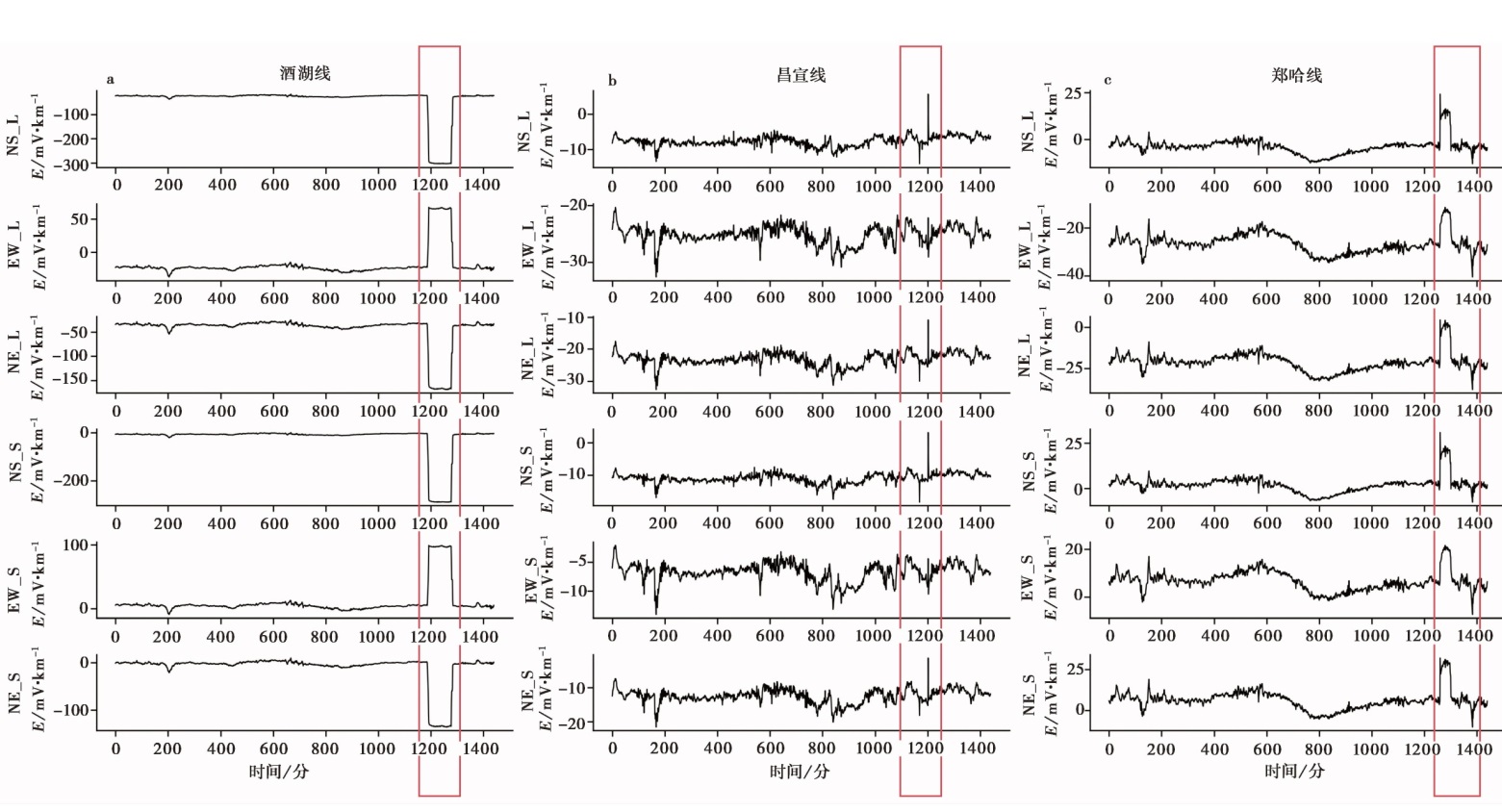
Fig.1 Typical patterns of geoelectric field observations disturbed by HVDC.
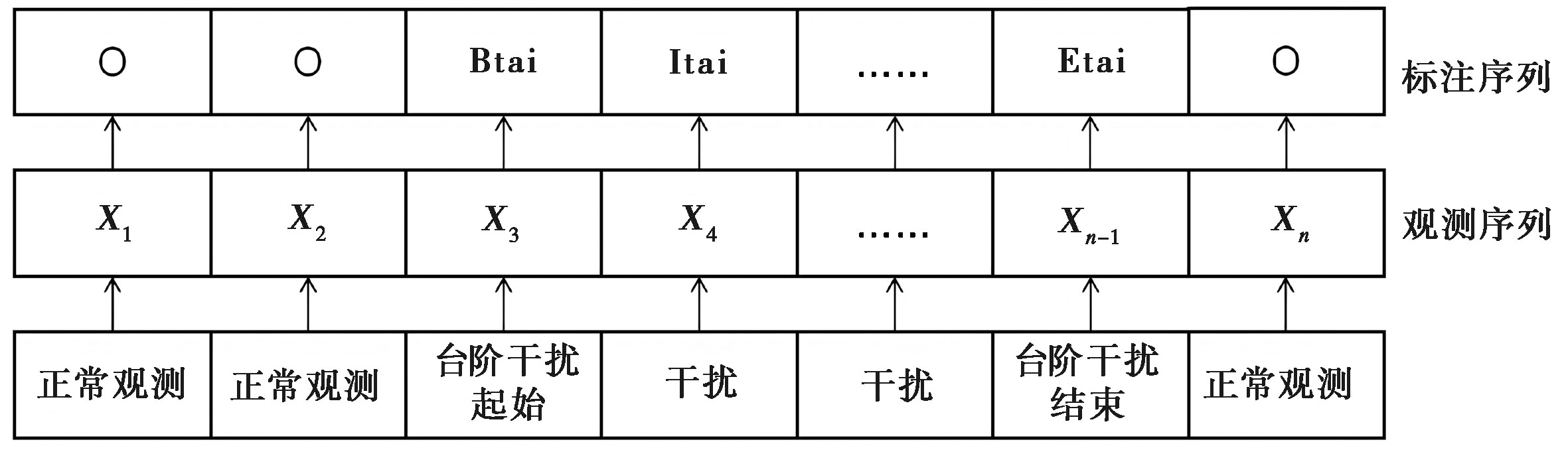
Fig. 2 Schematic diagram of data labeling.
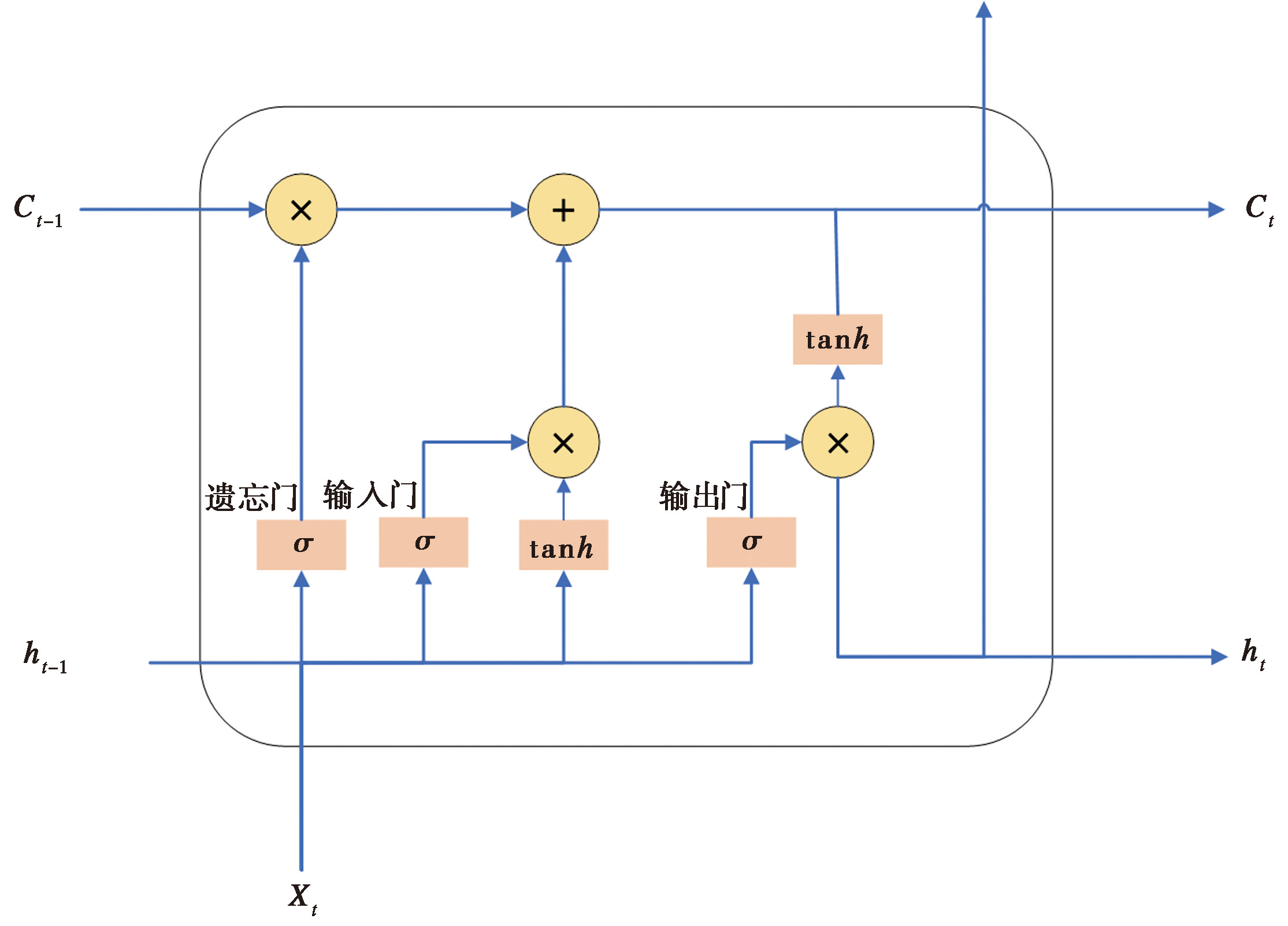
Fig. 3 LSTM cell structure.
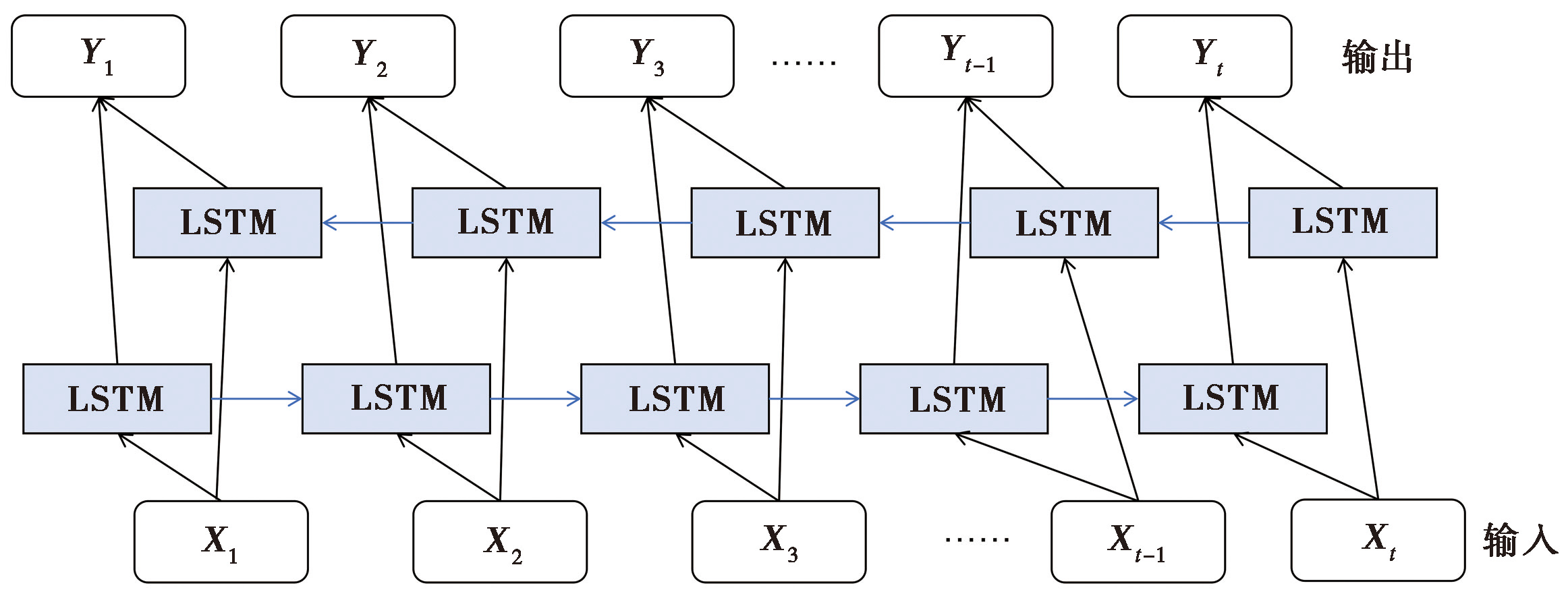
Fig. 4 Structure of the Bi-LSTM model.
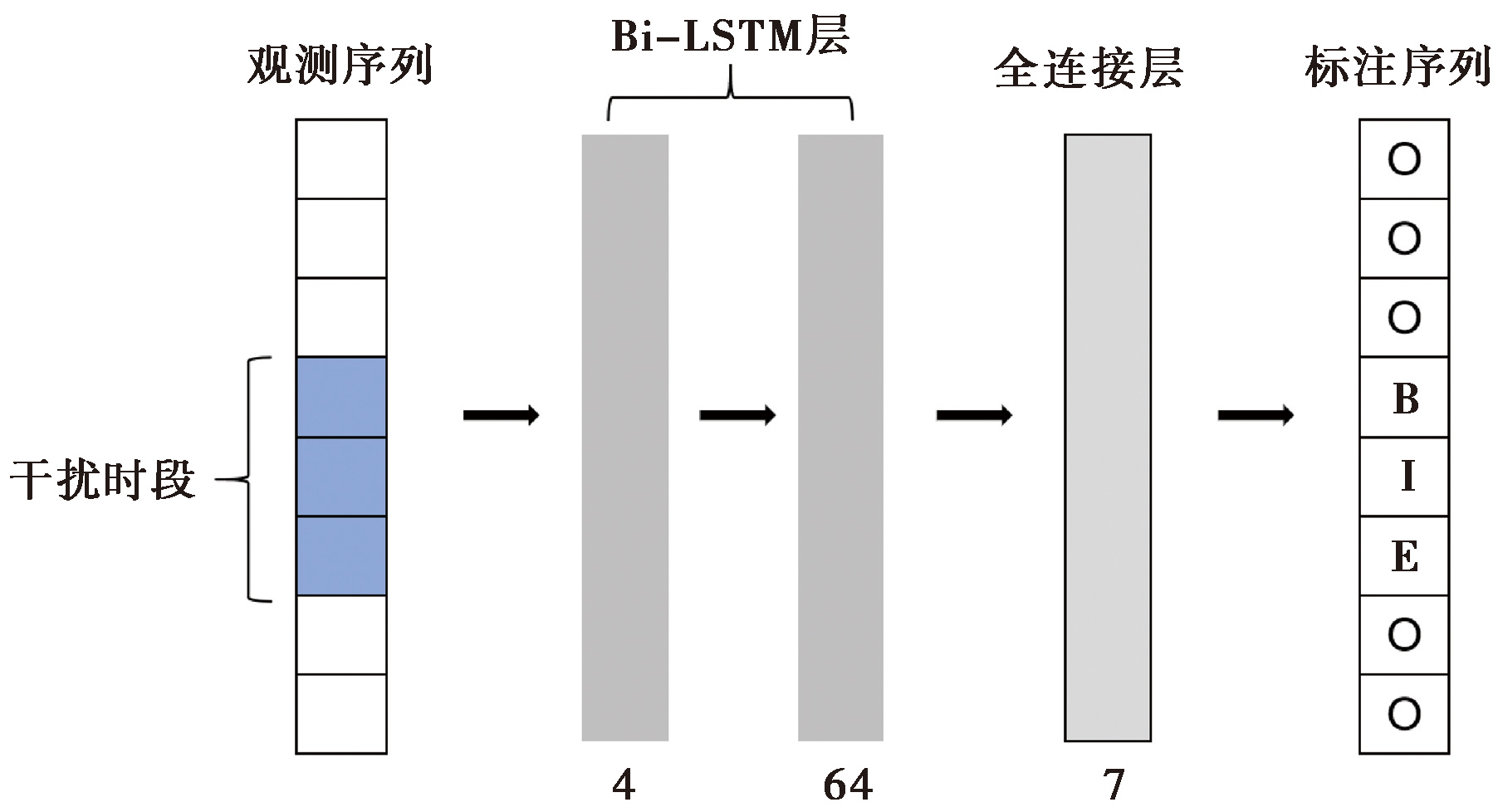
Fig. 5 Network structure of the Bi-LSTM interference identification method.
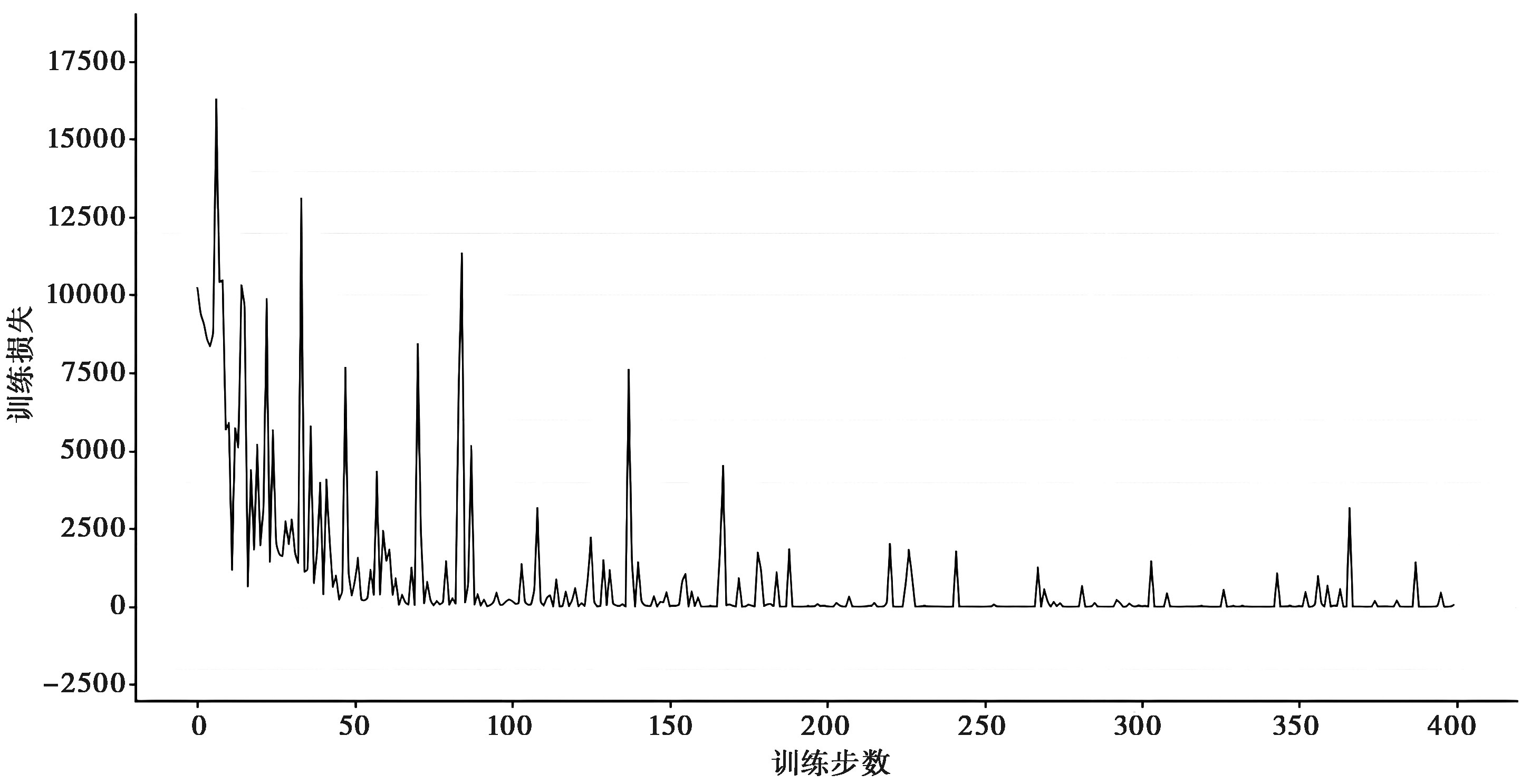
Fig. 6 Changes in loss values during model training.
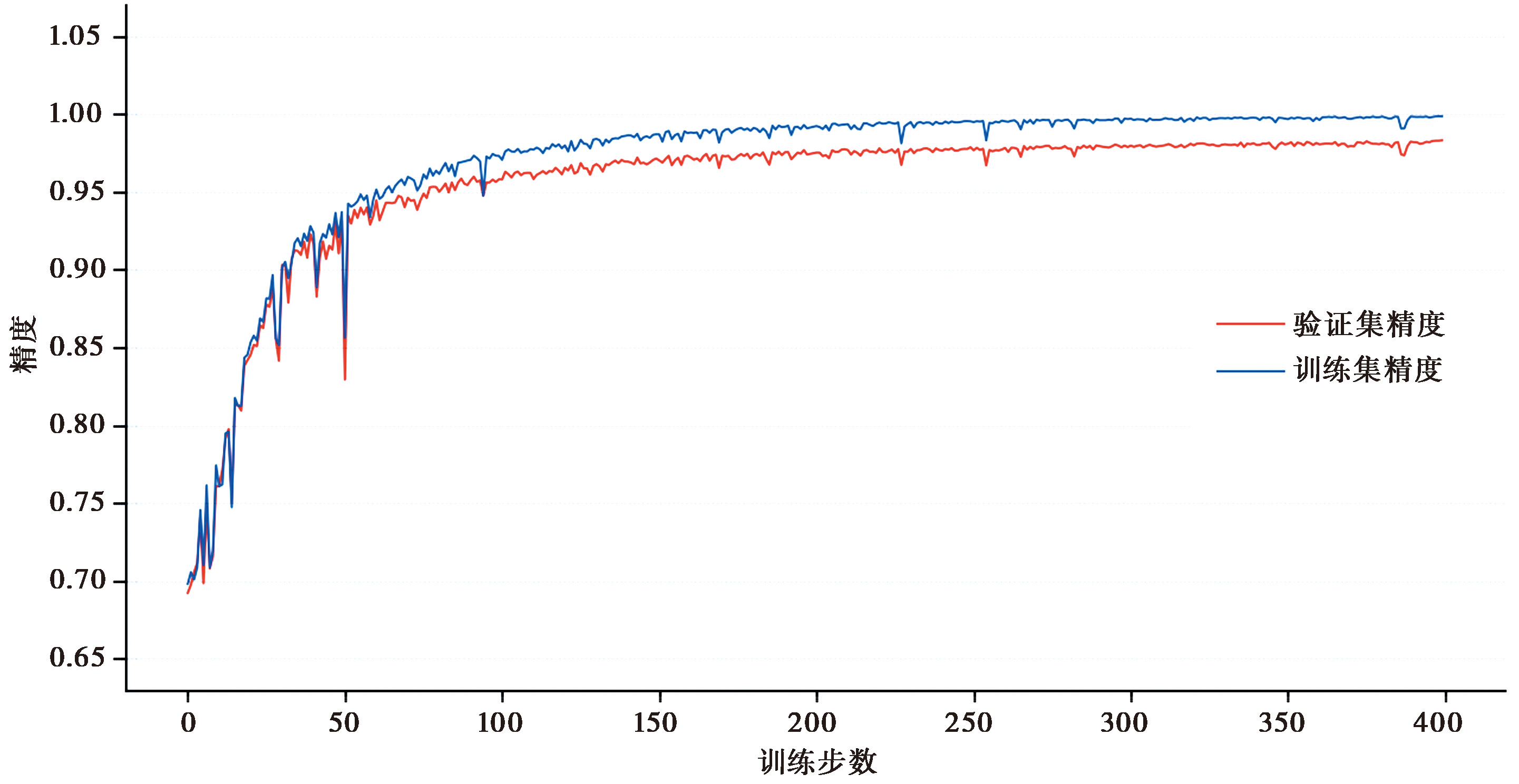
Fig. 7 The accuracy of training and validation sets varies with training.
| 模型 | 数据集 | 精度 | 准确率 | 召回率 | F1分数 |
|---|---|---|---|---|---|
| Bi-LSTM | 验证集 | 0.978 | 0.979 | 0.976 | 0.978 |
| 测试集 | 0.966 | 0.966 | 0.961 | 0.963 | |
| LSTM | 验证集 | 0.92 | 0.925 | 0.911 | 0.918 |
| 测试集 | 0.851 | 0.881 | 0.809 | 0.844 |
Table 1 Comparison of different models
| 模型 | 数据集 | 精度 | 准确率 | 召回率 | F1分数 |
|---|---|---|---|---|---|
| Bi-LSTM | 验证集 | 0.978 | 0.979 | 0.976 | 0.978 |
| 测试集 | 0.966 | 0.966 | 0.961 | 0.963 | |
| LSTM | 验证集 | 0.92 | 0.925 | 0.911 | 0.918 |
| 测试集 | 0.851 | 0.881 | 0.809 | 0.844 |
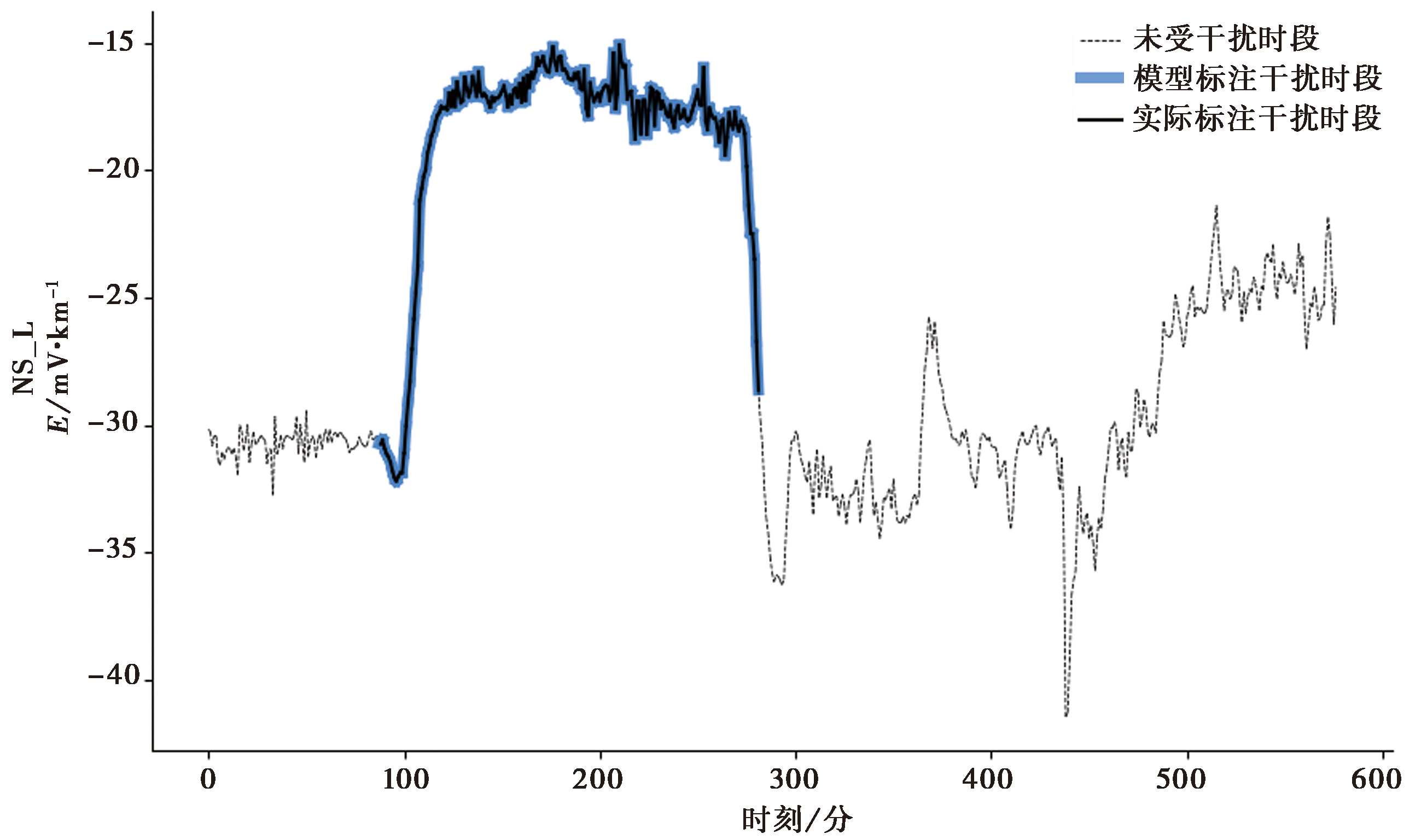
Fig. 8 Example of a model recognizing a disturbing event.
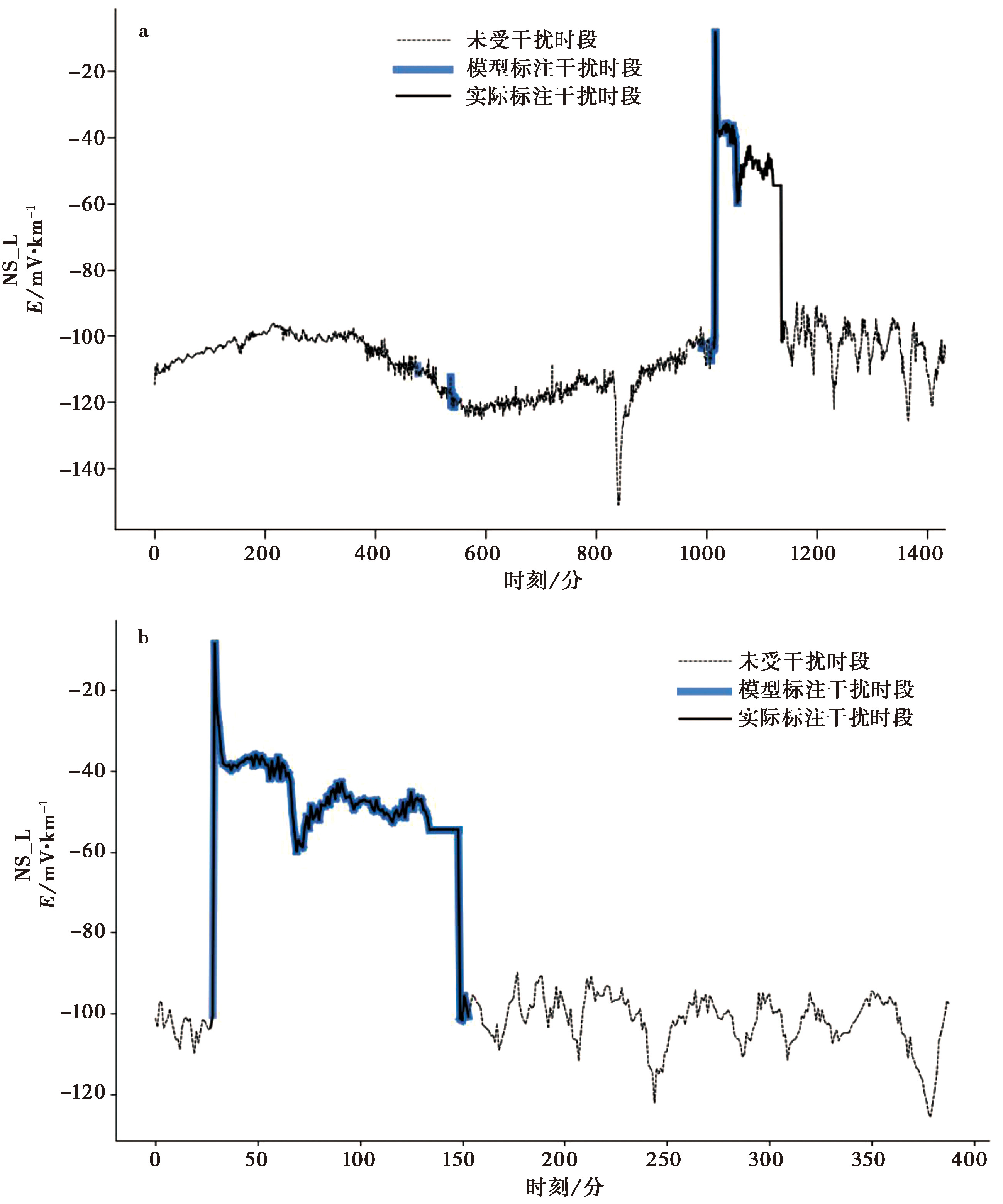
Fig. 9 Comparison of model recognition performance on long- and short-sequence samples.
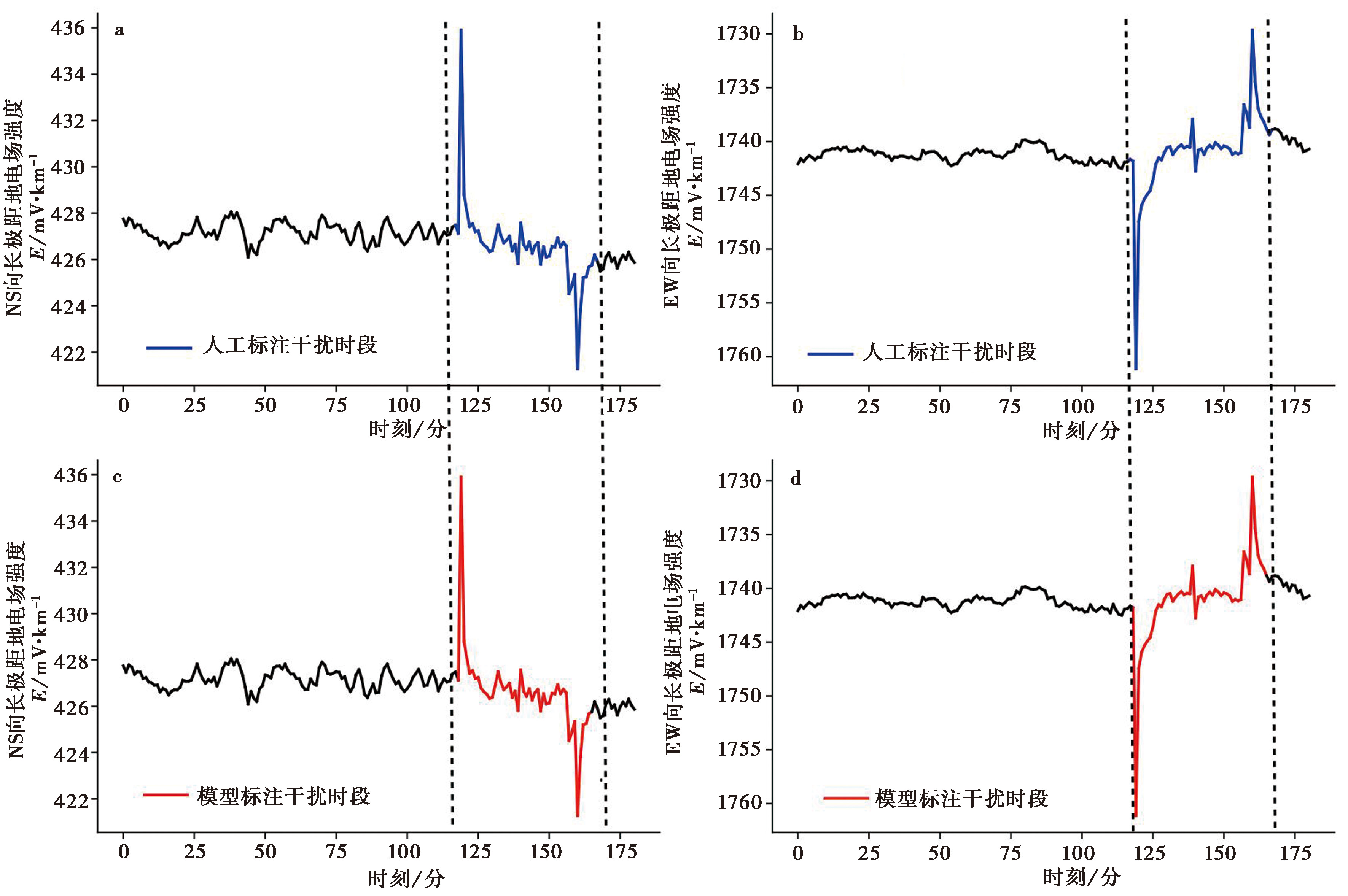
Fig. 10 The effectiveness of the model in identifying interference at Sitan Station.
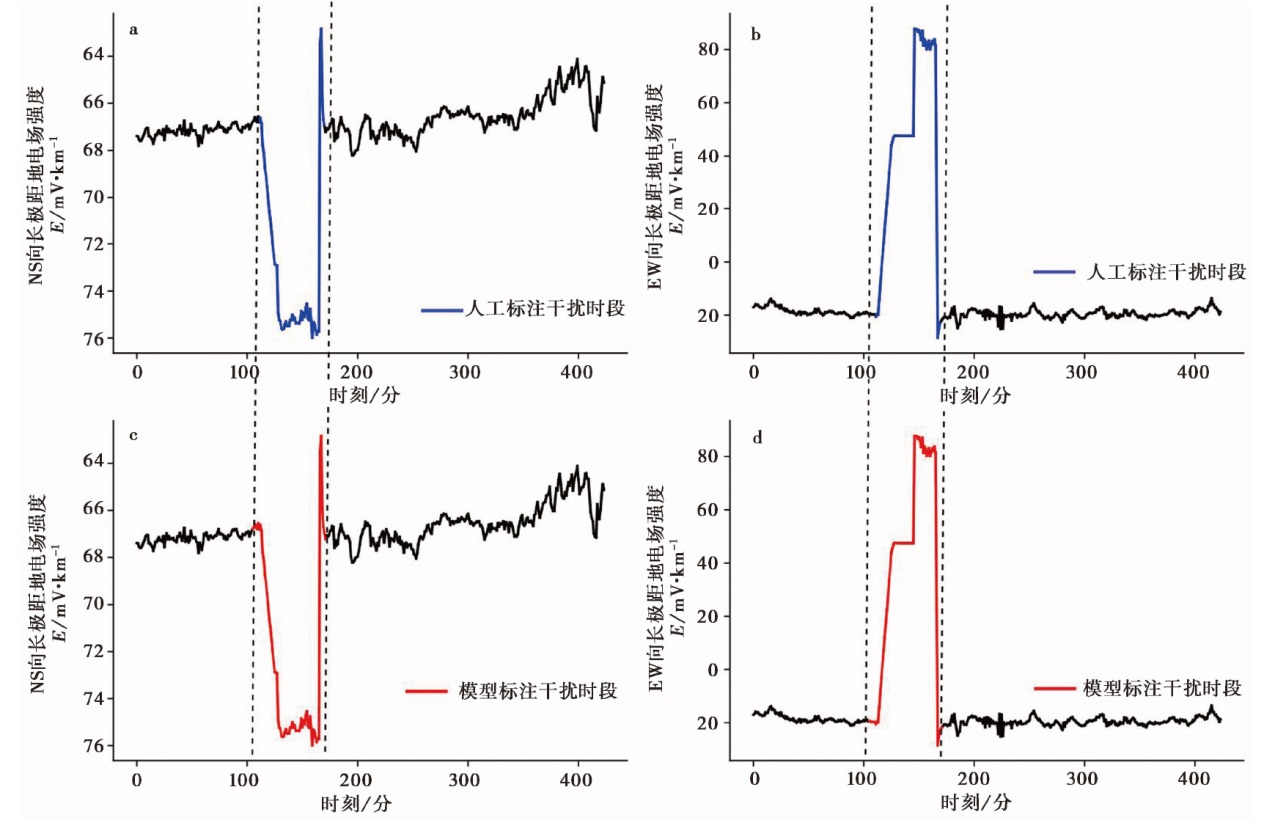
Fig. 11 The effectiveness of the model in identifying interference at Mengcheng Station.
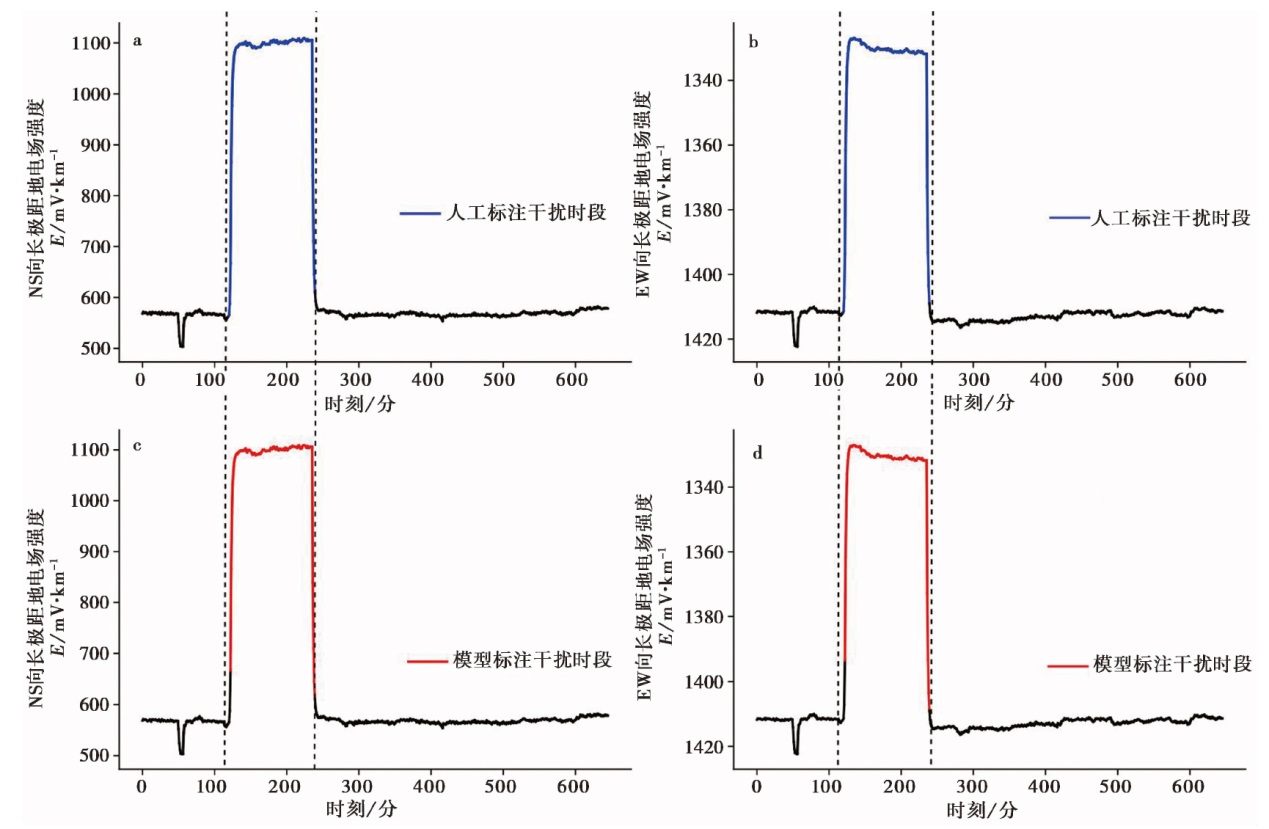
Fig. 12 The effectiveness of the model in identifying interference at Heyuan Station.
| [1] |
鲍海英, 蒋延林, 樊晓春, 等. 2020. 高压直流输电对地电场观测的影响探讨[J]. 中国地震, 36(3): 607—619.
|
|
|
|
| [2] |
陈全. 2019. 深度学习及其在地电场异常检测中的应用研究[D]. 兰州: 中国地震局兰州地震研究所.
|
|
|
|
| [3] |
范晔, 崔腾发, 杜学彬, 等. 2020. 中国大陆地电场日变化特征及影响因素[J]. 中国地震, 36(2): 234—243.
|
|
|
|
| [4] |
范莹莹, 杜学彬,
|
|
|
|
| [5] |
方炜, 张国强, 邵辉成, 等. 2010. 高压直流输电对地电场观测的影响[J]. 地震地质, 32(3): 434—441.
|
|
|
|
| [6] |
葛光祖. 2015. 特高压直流输电系统对地电场观测的电磁干扰研究[D]. 宜昌: 三峡大学:7—47.
|
|
|
|
| [7] |
李钟慧, 王兰炜, 张宇, 等. 2024. 高压直流输电对地电场观测影响特征分析[J]. 高电压技术, 50(3): 1244—1251.
|
|
|
|
| [8] |
毛桐恩, 席继楼, 王燕琼, 等. 1999. 地震过程中的大地电场变化特征[J]. 地球物理学报, 42(4): 520—528.
|
|
|
|
| [9] |
单维锋, 闫非石, 刘海军, 等. 2023. 基于深度神经网络的地磁观测数据高压直流输电干扰事件识别[J]. 地球物理学报, 66(4): 1575—1588.
|
|
|
|
| [10] |
孙志军, 薛磊, 许阳明, 等. 2012. 深度学习研究综述[J]. 计算机应用研究, 29(8): 2806—2810.
|
|
|
|
| [11] |
谭大诚, 赵家骝, 席继楼, 等. 2010. 潮汐地电场特征及机理研究[J]. 地球物理学报, 53(3): 544—555.
|
|
|
|
| [12] |
唐波, 张小武, 葛光祖, 等. 2013. 特高压直流输电线路与接地极对地电场观测的干扰[J]. 高电压技术, 39(12): 2951—2959.
|
|
|
|
| [13] |
田山, 张磊, 王建国, 等. 2012. 汶川、 玉树大地震前的地电场异常[J]. 地球物理学进展, 27(3): 878—887.
|
|
|
|
| [14] |
席继楼, 赵家骝, 刘超, 等. 2016. 新型网络化地电场观测技术研究与应用[J]. 地球物理学进展, 31(6): 2690—2699.
|
|
|
|
| [15] |
杨丽, 吴雨茜, 王俊丽, 等. 2018. 循环神经网络研究综述[J]. 计算机应用, 38(S2): 1—6, 26.
|
|
|
|
| [16] |
杨杏丽. 2021. 分类学习算法的性能度量指标综述[J]. 计算机科学, 48(8): 209—219.
|
|
|
|
| [17] |
张国民, 傅征祥, 桂燮泰. 2001. 地震预报引论[M]. 北京: 科学出版社.
|
|
|
|
| [18] |
|
| [19] |
|
| [20] |
|
| [21] |
|
| [22] |
|
| [1] | SONG Dong-mei, ZHANG Man-yu, SHAN Xin-jian, CUI Jian-yong, WANG Bin. CONSTRUCTION METHOD OF SEISMOTHERMAL INFRARED BACKGROUND FIELD BASED ON GPR-LSTM [J]. SEISMOLOGY AND GEOLOGY, 2024, 46(2): 492-511. |
| [2] | SONG Dong-mei, ZHANG Man-yu, SHAN Xin-jian, WANG Bin. MODIS LAND SURFACE TEMPERATURE DATA RECONSTRUCTION BASED ON THE SCLSTM MODEL [J]. SEISMOLOGY AND GEOLOGY, 2023, 45(6): 1349-1369. |
| [3] | ZHANG Xin, FAN Ye, YE Qing, QIAN Yin-ping. THE INFLUENCE OF HVDC TRANSMISSION ON GEOELECTRIC FIELD AND LOCATING THE GROUNDING POLES [J]. SEISMOLOGY AND GEOLOGY, 2022, 44(3): 718-735. |
| [4] | FANG Wei, YAN Rui, SHAO Hui-cheng, ZHANG Guo-qiang. THE IMPACT OF HVDC ON GEOMAGNETIC FIELD OBSERVATION [J]. SEISMOLOGY AND GEOLOGY, 2012, 34(1): 138-144. |
| [5] | FANG Wei, ZHANG Guo-qiang, SHAO Hui-cheng. STUDY ON THE IMPACT OF HVDC TO GEOELECTRIC FIELD OBSERVATION [J]. SEISMOLOGY AND GEOLOGY, 2010, 32(3): 434-441. |
| Viewed | ||||||
|
Full text |
|
|||||
|
Abstract |
|
|||||
Copyright © SEISMOLOGY AND GEOLOGY, All Rights Reserved.
Tel: 010-62009049/9063 E-mail: dzdz@ies.ac.cn
Powered by Beijing Magtech Co., Ltd.