
SEISMOLOGY AND GEOLOGY ›› 2026, Vol. 48 ›› Issue (3): 797-813.DOI: 10.3969/j.issn.0253-4967.20240141
• Research paper • Previous Articles Next Articles
STUDY ON THE TRIGGERING FACTOR OF THE LOESS LIQUE-FACTION INDUCED BY THE JISHISHAN EARTHQUAKE
WANG Xiu-ying1)( ), ZHAO Guo-cun1),*(), FAN Xi-wei2), GAO Peng3), ZHANG Guo-hong1), MA Zhi-xia1), CHEN Xu-geng1)
- 1)
National Institute of Natural Hazards ,Ministry of Emergency Management of China
2)Institute of Geology ,China Earthquake Administration
3)Gansu Earthquake Agency
-
Received:2025-01-27Revised:2025-03-18Online:2026-06-20Published:2026-07-09
积石山地震黄土液化的地震动触发因素分析
王秀英1)(), 赵国存1),*(), 范熙伟2), 高鹏3), 张国宏1), 马志霞1), 陈旭庚1)
- 1)
应急管理部国家自然灾害防治研究院
2)中国地震局地质研究所
3)甘肃省地震局
-
通讯作者:*赵国存, 男, 1971年生, 副研究员, 主要从事主动源和被动源的地球物理探测及地震灾害方面的研究, E-mail: zhao_33333@126.com。 -
作者简介:王秀英, 女, 1972年生, 博士, 研究员, 主要从事地基、空基地球物理观测数据的挖掘与应用研究及地震灾害学研究, E-mail: 652383915@qq.com。
-
基金资助:中国地震局地质研究所基本科研业务专项(IGCEA2106); 国家重点研发计划项目(2022YFC3003700)

Cite this article
WANG Xiu-ying, ZHAO Guo-cun, FAN Xi-wei, GAO Peng, ZHANG Guo-hong, MA Zhi-xia, CHEN Xu-geng. STUDY ON THE TRIGGERING FACTOR OF THE LOESS LIQUE-FACTION INDUCED BY THE JISHISHAN EARTHQUAKE[J]. SEISMOLOGY AND GEOLOGY, 2026, 48(3): 797-813.
王秀英, 赵国存, 范熙伟, 高鹏, 张国宏, 马志霞, 陈旭庚. 积石山地震黄土液化的地震动触发因素分析[J]. 地震地质, 2026, 48(3): 797-813.
share this article
Add to citation manager EndNote|Ris|BibTeX
URL: https://www.dzdz.ac.cn/EN/10.3969/j.issn.0253-4967.20240141
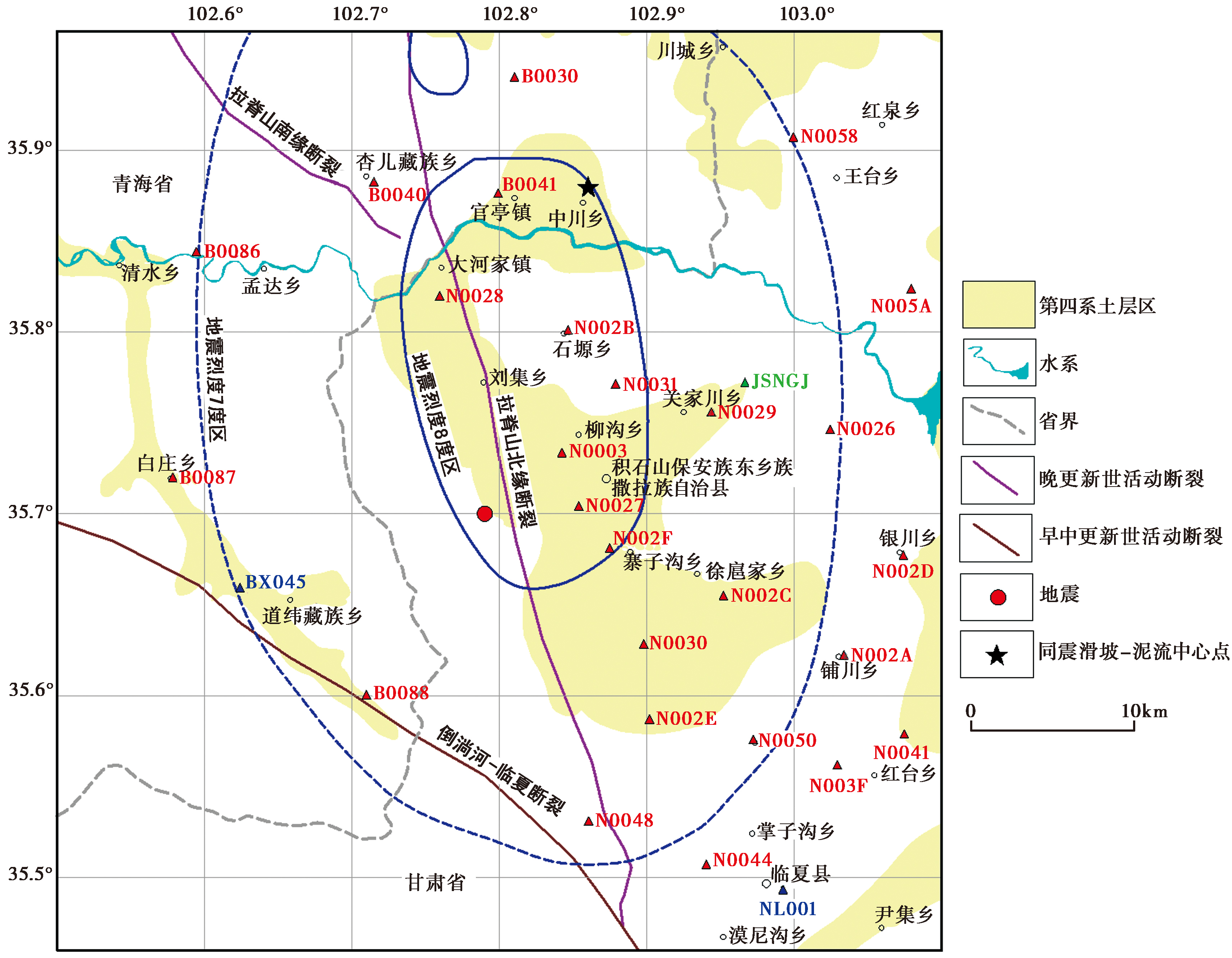
Fig. 1 Distribution of the epicenter, liquefaction point and earthquake early warning stations.
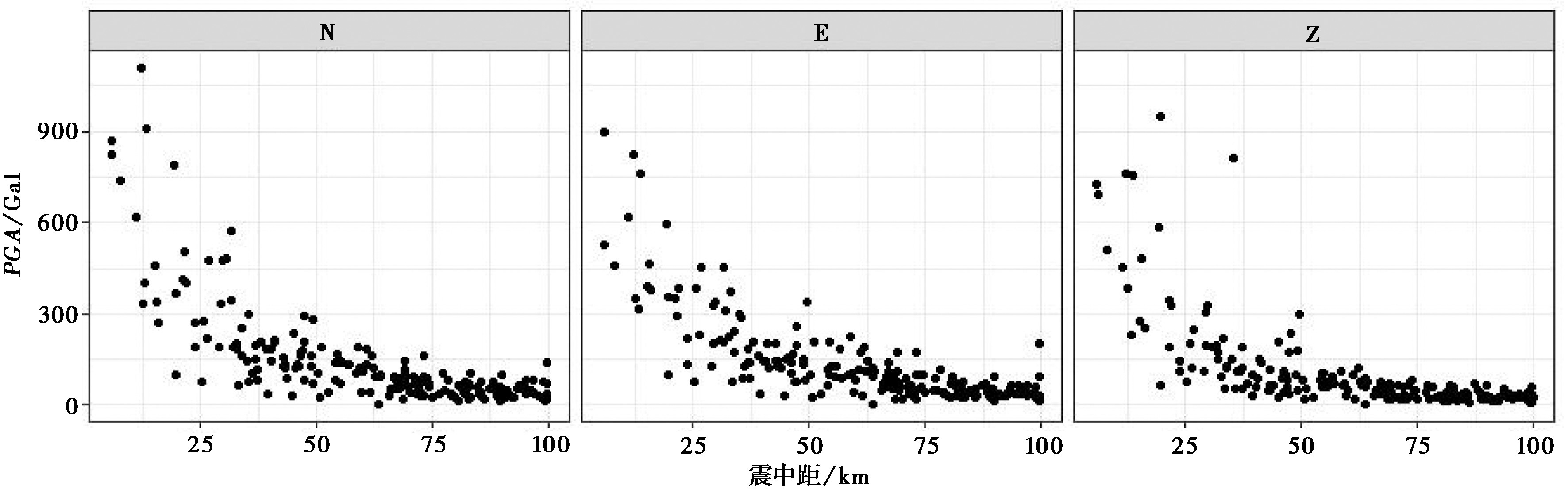
Fig. 2 Attenuation of PGAs obtained by intensity meters from the Jishishan Earthquake within 100km epicenter distance.
| 台站代码 | 台站类型 | 震中距离/km | 台站代码 | 台站类型 | 震中距离/km | 观测点间距/km |
|---|---|---|---|---|---|---|
| BX045 | 土层强震仪 | 15.67 | B0087 | 烈度计 | 19.27 | 7.90 |
| JSNGJ | 基岩强震仪 | 17.86 | N0029 | 烈度计 | 15.23 | 2.73 |
Table1 Basic information of matching strong motion accelerometers and intensity meters
| 台站代码 | 台站类型 | 震中距离/km | 台站代码 | 台站类型 | 震中距离/km | 观测点间距/km |
|---|---|---|---|---|---|---|
| BX045 | 土层强震仪 | 15.67 | B0087 | 烈度计 | 19.27 | 7.90 |
| JSNGJ | 基岩强震仪 | 17.86 | N0029 | 烈度计 | 15.23 | 2.73 |
| 台站代码 | PGA/Gal | Ia/m·s-1 | Db/s | ||||||
|---|---|---|---|---|---|---|---|---|---|
| N | E | Z | N | E | Z | N | E | Z | |
| BX045 | 347 | 302 | 217 | 1.1980 | 0.8562 | 0.3250 | 31.77 | 36.28 | 26.07 |
| B0087 | 593 | 791 | 583 | 4.5862 | 4.4164 | 3.5265 | 41.49 | 42.76 | 38.63 |
| JSNGJ | 340 | 394 | 212 | 0.6945 | 0.9742 | 0.4091 | 31.04 | 31.27 | 29.01 |
| N0029 | 388 | 458 | 277 | 1.6763 | 2.5332 | 0.8862 | 43.38 | 43.95 | 40.22 |
Table2 PGA, Ia and Db parameters for the matching strong motion accelerometers and intensity meters
| 台站代码 | PGA/Gal | Ia/m·s-1 | Db/s | ||||||
|---|---|---|---|---|---|---|---|---|---|
| N | E | Z | N | E | Z | N | E | Z | |
| BX045 | 347 | 302 | 217 | 1.1980 | 0.8562 | 0.3250 | 31.77 | 36.28 | 26.07 |
| B0087 | 593 | 791 | 583 | 4.5862 | 4.4164 | 3.5265 | 41.49 | 42.76 | 38.63 |
| JSNGJ | 340 | 394 | 212 | 0.6945 | 0.9742 | 0.4091 | 31.04 | 31.27 | 29.01 |
| N0029 | 388 | 458 | 277 | 1.6763 | 2.5332 | 0.8862 | 43.38 | 43.95 | 40.22 |
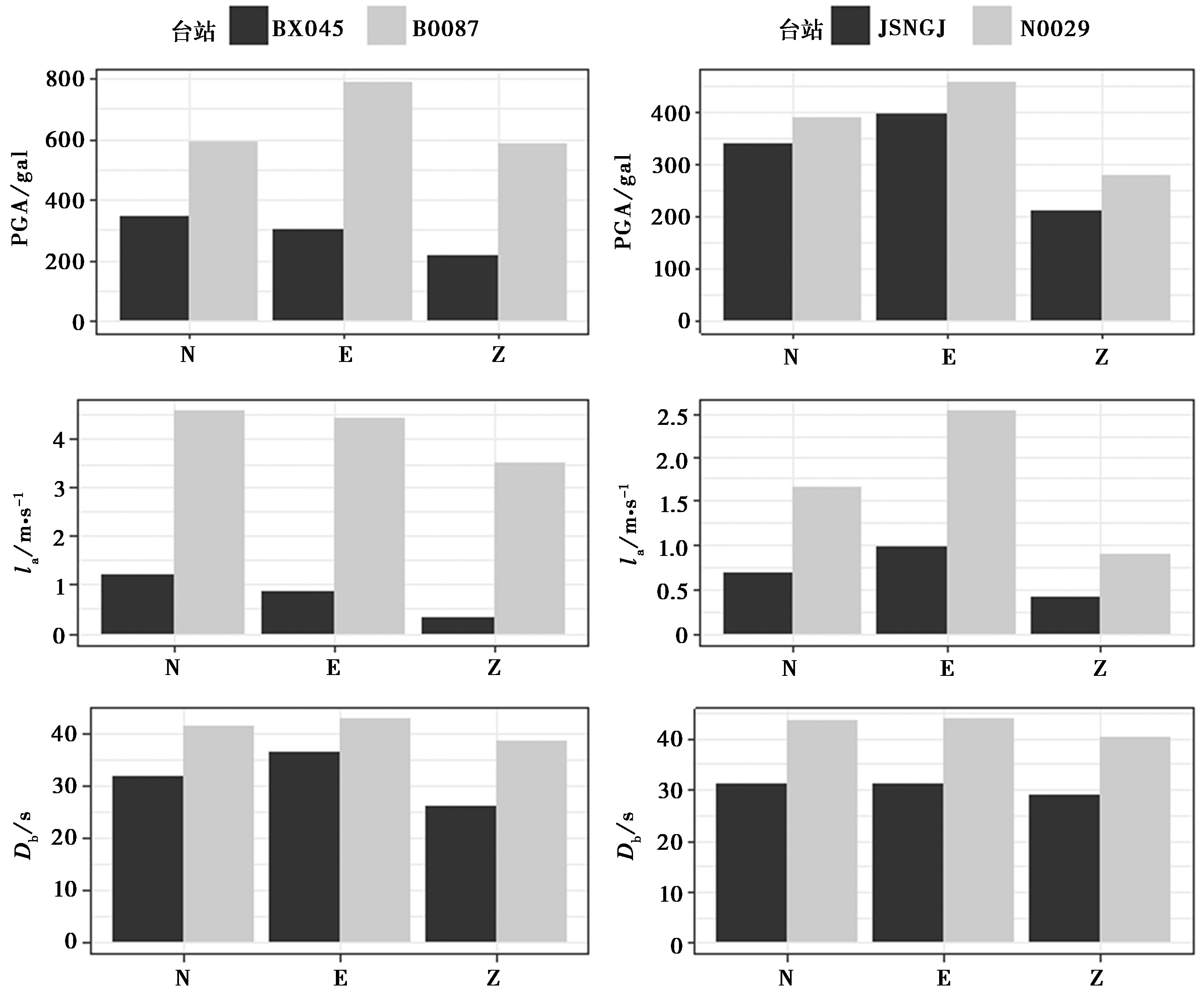
Fig. 3 Comparison of the matching PGA, Ia and Db parameters.
| 匹配点 | PGA比值 | Ia比值 | Db比值 | ||||||
|---|---|---|---|---|---|---|---|---|---|
| N | E | Z | N | E | Z | N | E | Z | |
| B0087/BX045 | 1.71 | 2.62 | 2.69 | 3.83 | 3.69 | 10.85 | 1.31 | 1.18 | 1.52 |
| N0029/JSNGJ | 1.14 | 1.16 | 1.31 | 2.41 | 2.60 | 2.17 | 1.40 | 1.41 | 1.39 |
Table3 Ratios of the three parameters for the matching stations
| 匹配点 | PGA比值 | Ia比值 | Db比值 | ||||||
|---|---|---|---|---|---|---|---|---|---|
| N | E | Z | N | E | Z | N | E | Z | |
| B0087/BX045 | 1.71 | 2.62 | 2.69 | 3.83 | 3.69 | 10.85 | 1.31 | 1.18 | 1.52 |
| N0029/JSNGJ | 1.14 | 1.16 | 1.31 | 2.41 | 2.60 | 2.17 | 1.40 | 1.41 | 1.39 |
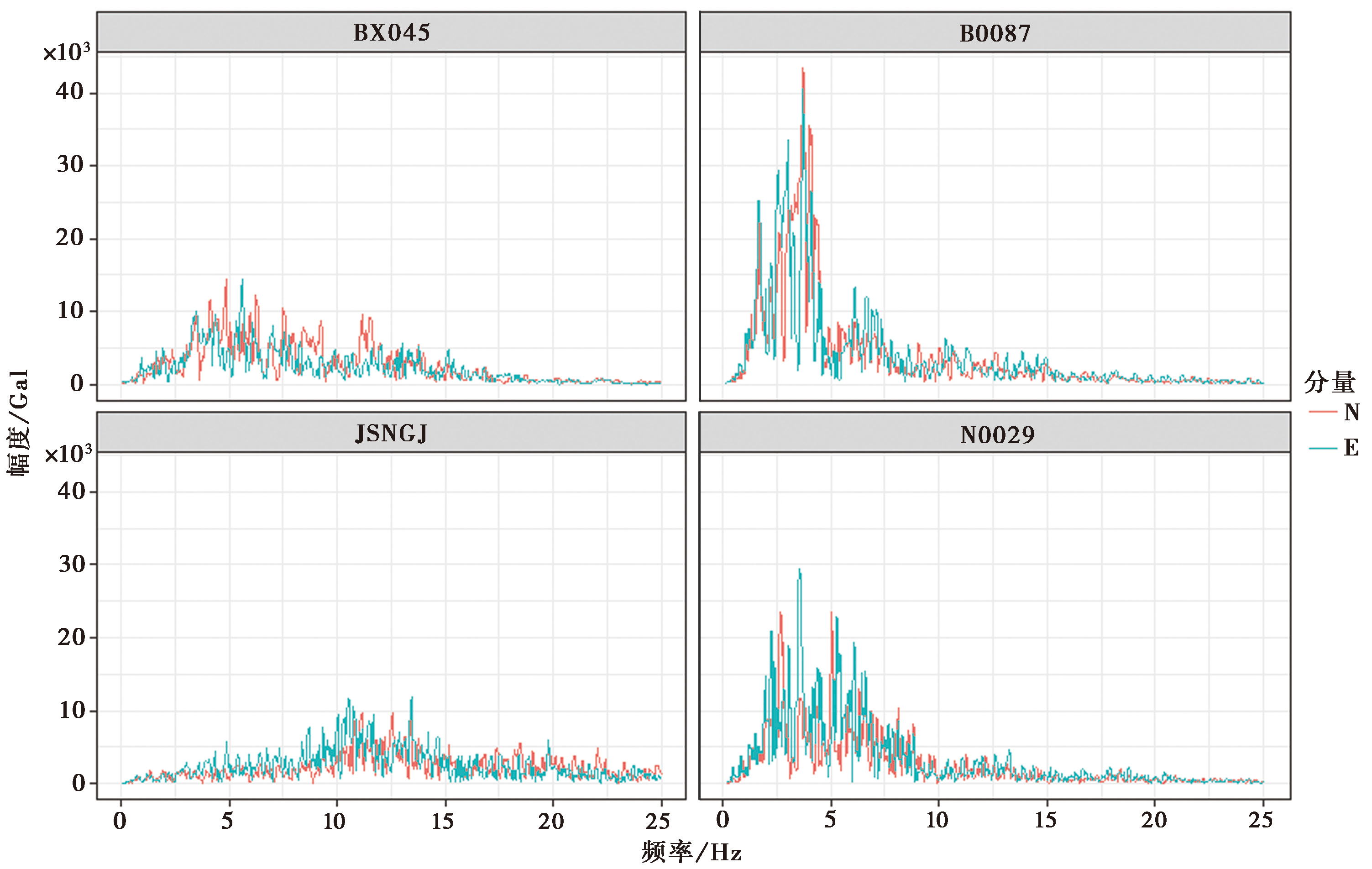
Fig. 4 Spectrum curves of the four groups of data.
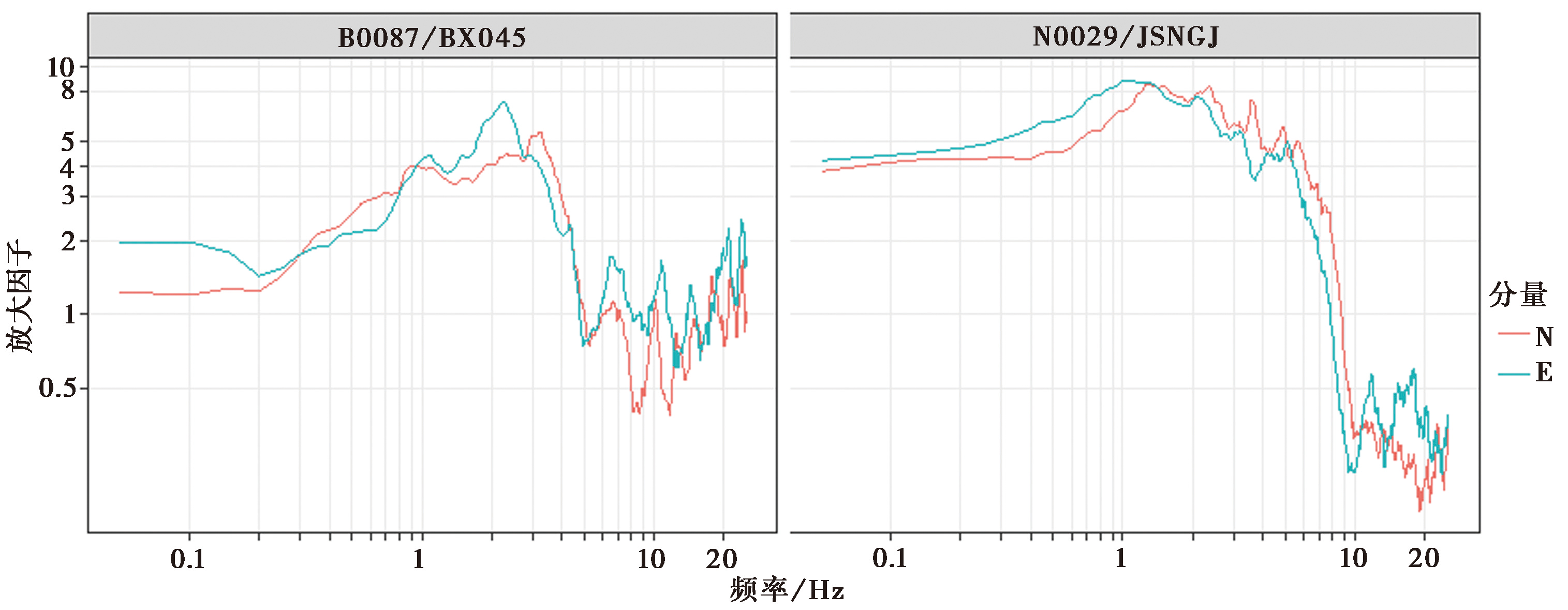
Fig. 5 Spectral ratios of horizontal components for the matching stations.
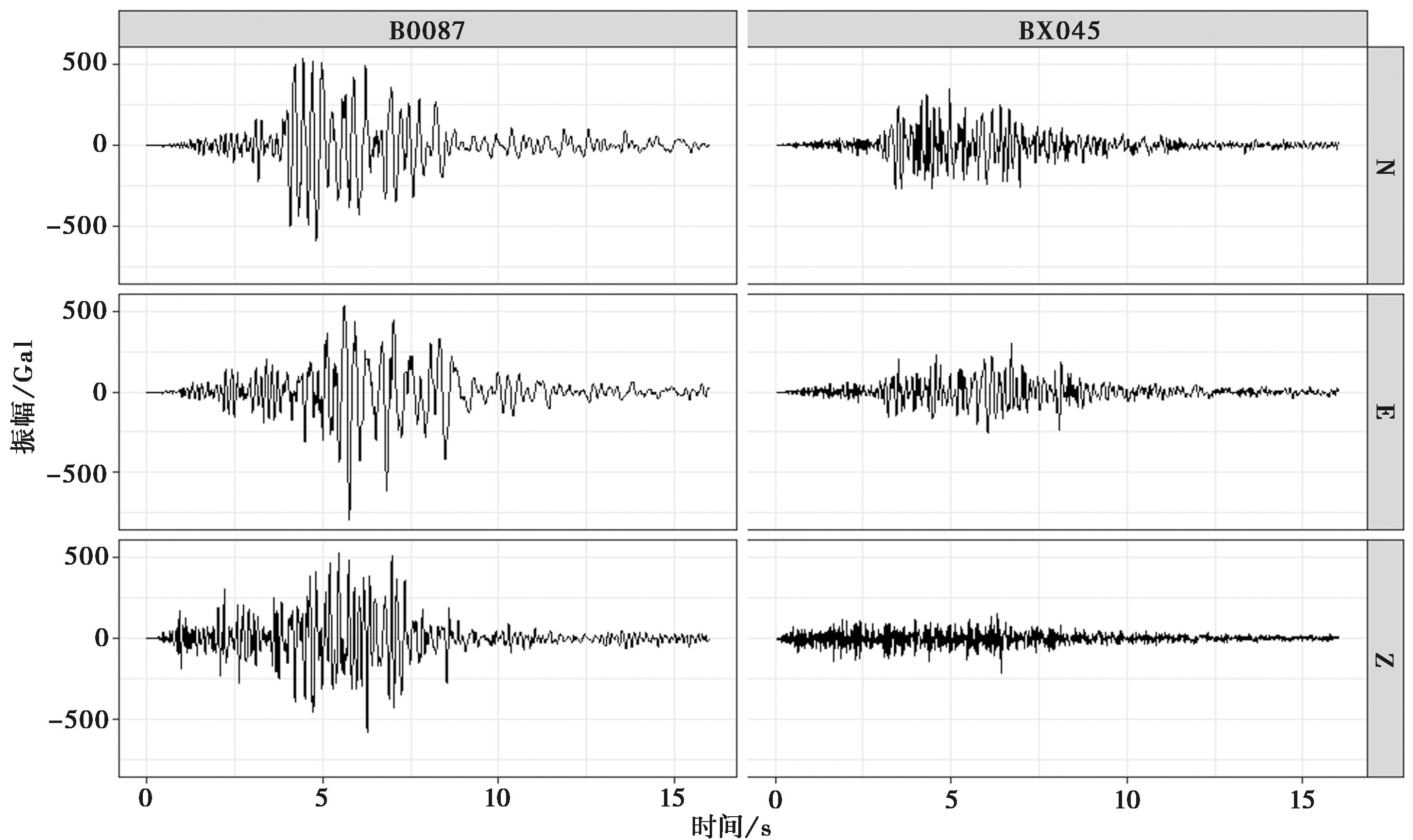
Fig. 6 Acceleration time history of the three components obtained by B0087 and BX045.
| [1] |
白铭学, 张苏民. 1990. 高烈度地震时黄土地层的液化移动[J]. 工程勘察, (6): 1-5.
|
|
|
|
| [2] |
白卓立, 季灵运, 朱良玉, 等. 2024. 2023年甘肃积石山 MS6.2 地震中川乡泥流成因及破坏性分析[J]. 地震工程学报, 46(4): 768-777.
|
|
|
|
| [3] |
陈龙伟, 汪云龙, 袁晓铭, 等. 2024. 2023年甘肃积石山6.2级地震中川乡液化流滑灾害调查及诱因初析[J]. 地震工程与工程振动, 44(1): 187-193.
|
|
|
|
| [4] |
胡聿贤. 2006. 地震工程学(第二版)[M]. 北京: 地震出版社.
|
|
|
|
| [5] |
李飞. 2023. 基于通信基站的地震烈度速报与预警工程一般站建设[J]. 现代传输, (3): 69-72.
|
|
|
|
| [6] |
李亚军, 岳东霞, 陈冠, 等. 2024. 积石山地震诱发金田-草滩村滑坡-泥流灾害链过程与成因[J]. 兰州大学学报(自然科学版), 60(1): 1-5.
|
|
|
|
| [7] |
李兆焱, 张升, 袁晓铭, 等. 2024. 2023甘肃积石山6.2级地震灾害特征[J]. 防灾科技学院学报, 26(2): 43-52.
|
|
|
|
| [8] |
刘传正, 梁宽, 王秀英. 2024. 积石山 MS6.2 地震区大沙沟泥土流灾害链成因分析[J]. 地质论评, 70(3): 960-974.
|
|
|
|
| [9] |
罗毅, 李德文, 姜文亮, 等. 2024. 2023年积石山6.2级地震诱发的中川乡泥石流灾害过程与成因分析[J]. 地震工程学报, 46(4): 802-817.
|
|
|
|
| [10] |
任佳, 王秀英, 赵国存, 等. 2025. 积石山M6.2地震不同场地地震动观测数据的差异性分析[J]. 地震地质, 47(4): 1075-1089.
DOI |
|
DOI |
|
| [11] |
苏瑞欢, 袁道阳, 郑文俊, 等. 2024. 2023年甘肃积石山 MS6.2 地震地表破裂及震害特征分析[J]. 地球物理学报, 67(9): 3454-3471.
|
|
|
|
| [12] |
孙海妹, 王兰民, 王平, 等. 2011. 饱和黄土液化标准的试验研究[J]. 西北地震学报, 33(S1): 199-203.
|
|
|
|
| [13] |
王峻, 王兰民, 李兰. 2006. 黄土场地地震液化研究[J]. 地震研究, 29(4): 392-395.
|
|
|
|
| [14] |
王兰民. 2020. 黄土地层大规模地震液化滑移的机理与风险评估[J]. 岩土工程学报, 42(1): 1-19.
|
|
|
|
| [15] |
王兰民, 刘红玫, 李兰, 等. 2000. 饱和黄土液化机理与特性的试验研究[J]. 岩土工程学报, 22(1): 89-94.
|
|
|
|
| [16] |
王兰民, 袁中夏, 汪国烈. 2013. 饱和黄土场地液化的工程初判和详判指标与方法研究[J]. 地震工程学报, 35(1): 1-8.
|
|
|
|
| [17] |
王兰民, 许世阳, 王平, 等. 2024. 2023年积石山6.2级地震诱发大规模黄土液化流滑的特征与启示[J]. 岩土工程学报, 46(2): 235-243.
|
|
|
|
| [18] |
王谦, 王兰民, 王峻, 等. 2014. 饱和黄土地震液化研究进展[J]. 地震工程与工程振动, 34(S1): 898-903.
|
|
|
|
| [19] |
王谦, 王兰民, 袁中夏, 等. 2012. 汶川地震中甘肃清水田川黄土液化的试验研究[J]. 水文地质工程地质, 39(2): 116-120.
|
|
|
|
| [20] |
王立朝, 侯圣山, 董英, 等. 2024. 甘肃积石山 MS6.2 地震的同震地质灾害基本特征及风险防控建议[J]. 中国地质灾害与防治学报, 35(3): 108-118.
|
|
|
|
| [21] |
王辽, 谢虹, 蒲小武, 等. 2024. 2023年积石山 MS6.2 地震诱发中川乡滑坡-泥流滑动过程与成因机理研究[J]. 地震工程学报, 46(4): 791-801.
|
|
|
|
| [22] |
吴志坚, 王兰民, 陈拓, 等. 2012. 汶川地震远场黄土场地地震动场地放大效应机制研究[J]. 岩土力学, 33(12): 3736-3740.
|
|
|
|
| [23] |
夏坤, 王蕾, 李方圆, 等. 2020. 汶川地震黄土地区地震动特征分析[J]. 世界地震工程, 36(4): 193-199.
|
|
|
|
| [24] |
谢睿, 裴向军. 2014. 强震作用下饱和黄土液化特征试验研究[J]. 路基工程, (2): 49-52.
|
|
|
|
| [25] |
许强, 彭大雷, 范宣梅, 等. 2025. 甘肃积石山 MS6.2 地震触发青海中川乡液化型滑坡-泥流特征与成因机理[J]. 武汉大学学报(信息科学版), 50(2): 207-222.
|
|
|
|
| [26] |
杨振茂, 赵成刚, 王兰民. 2005. 饱和黄土液化的试验研究[J]. 岩石力学与工程学报, 24(5): 137-144.
|
|
|
|
| [27] |
杨振茂, 赵成刚, 王兰民, 等. 2003. 饱和黄土液化及其理论研究现状[J]. 土木工程学报, 36(11): 38-43.
|
|
|
|
| [28] |
张建勇, 席楠, 徐泰然, 等. 2024. 国家中心地震烈度速报与预警技术平台[J]. 中国地震, 40(1): 54-68.
|
|
|
|
| [29] |
张卫东, 贾璐, 康斌龙, 等. 2024. 2023年12月18日甘肃积石山6.2级地震强震动记录特征分析[J]. 地震工程学报, 46(4): 888-898.
|
|
|
|
| [30] |
DOI URL |
| [31] |
|
| [32] |
|
| [33] |
|
| [34] |
DOI URL |
| [35] |
|
| [36] |
DOI URL |
| [37] |
DOI URL |
| [38] |
DOI |
| [39] |
DOI URL |
| [40] |
DOI URL |
| [41] |
DOI URL |
| [42] |
|
| [43] |
DOI URL |
| [44] |
|
| [45] |
DOI URL |
| [46] |
DOI URL |
| [47] |
|
| [48] |
|
| [1] | REN Jia, WANG Xiu-ying, ZHAO Guo-cun, FAN Xi-wei, GAO Peng, ZHANG Shan-shan, MA Zhi-xia. COMPARISON OF DIFFERENCES IN GROUND MOTION DATA OBTAINED BY DIFFERENT SITE CONDITIONS OF THE JISHISHAN M6.2 EARTHQUAKE [J]. SEISMOLOGY AND GEOLOGY, 2025, 47(4): 1075-1089. |
| [2] | JI Zhi-wei, YU Hou-yun, LI Zong-chao, JU Chang-hui, SUN Yao-chong, ZHANG Yong-xian, CHEN Xiao-fei. PRELIMINARY SIMULATION OF LONG-PERIOD GROUND MOTION OF THE DINGRI MS6.8 EARTHQUAKE ON JANUARY 7, 2025 [J]. SEISMOLOGY AND GEOLOGY, 2025, 47(3): 917-931. |
| [3] | ZHAO Qing-xu, RONG Mian-shui, ZHANG Bin, WANG Ji-xin, KONG Xiao-shan, LI Xiao-jun. RAPID ESTIMATION OF PARAMETERS FOR THE M6.8 EARTH-QUAKE ON JANUARY 7, 2025 IN DINGRI(XIZANG, CHINA) BASED ON DATA-DRIVEN METHODS [J]. SEISMOLOGY AND GEOLOGY, 2025, 47(3): 969-983. |
| [4] | SHEN Zhu-yue, ZHAO Shun, SUN Yao-chong, XU Du-yuan, YU Hou-yun, ZANG Nan, WANG Chun-jing. STUDY ON THE INFLUENCE OF LARGE LOW DIP THRUST FAULTS AND THICK BASINS ON STRONG GROUND MOTION: A STUDY IN KASHGAR AREA, XINJIANG, China [J]. SEISMOLOGY AND GEOLOGY, 2025, 47(2): 610-626. |
| [5] | WANG Lin, WANG Yu-shi, LI Xiao-jun, LIU Yan-qiong, DING Yi. PERIOD-DEPENDENT NONLINEAR CHARACTERISTICS OF SURFACE/BOREHOLE SPECTRAL ACCELERATION RATIOS [J]. SEISMOLOGY AND GEOLOGY, 2024, 46(6): 1391-1407. |
| [6] | ZHANG Yan, JI Zhi-wei, ZHAI Hong-yu, WU Chun-hao. GROUND MOTION SIMULATION CONSIDERING VELOCITY DISPERSION AND ITS IMPLICATIONS FOR SEISMIC HAZARD ASSESSMENT [J]. SEISMOLOGY AND GEOLOGY, 2024, 46(6): 1408-1425. |
| [7] | ZHENG Xing-qun, TAO Zheng-ru, BAI Kai. REGIONAL PROPAGATION MEDIUM PARAMETERS FOR GROUND MOTION ESTIMATION [J]. SEISMOLOGY AND GEOLOGY, 2024, 46(5): 1091-1105. |
| [8] | WU Hao, IRIKURA Kojiro, LIN Guo-liang. THE EMPIRICAL GREEN'S FUNCTION-BASED SIMULATION OF NEAR-FIELD STRONG GROUND MOTIONS OF THE 2021 YANGBI EARTHQUAKE(MS6.4), YUNNAN, CHINA [J]. SEISMOLOGY AND GEOLOGY, 2023, 45(4): 864-879. |
| [9] | LI Chun-guo, WANG Hong-wei, WEN Rui-zhi, QIANG Sheng-yin, REN Ye-fei. THREE-COMPONENT GROUND MOTION SIMULATIONS BASED ON THE STOCHASTIC FINITE-FAULT METHOD FOR THE 2021 MADUO MS7.4 EARTHQUAKE, QINGHAI PROVINCE [J]. SEISMOLOGY AND EGOLOGY, 2021, 43(5): 1085-1100. |
| [10] | ZHANG Bin, LI Xiao-jun, RONG Mian-shui, YU Yan-xiang, WANG Yu-shi, WANG Ji-xin. ANALYSIS OF STRONG GROUND MOTION CHARACTERISTICS AND EARTHQUAKE DAMAGE FOR THE YANGBI MS6.4 EARTHQUAKE, YUNNAN [J]. SEISMOLOGY AND EGOLOGY, 2021, 43(5): 1127-1139. |
| [11] | HE Xin-juan, PAN Hua. SIMULATION OF STRONG GROUND MOTION FROM THE 2021 YANGBI, YUNNAN MS6.4 EARTHQUAKE [J]. SEISMOLOGY AND EGOLOGY, 2021, 43(4): 920-935. |
| [12] | WANG Hong-wei, WEN Rui-zhi, REN Ye-fei. SEISMIC GROUND MOTION SIMULATION CONSIDERING REGIONAL CHARACTERISTICS: A CASE STUDY OF THE JIASHI MS6.4 EARTHQUAKE IN 2020 [J]. SEISMOLOGY AND GEOLOGY, 2021, 43(2): 430-446. |
| [13] | BAI Yu-zhu, XU Xi-wei. ANALYSIS ON THE CHARACTERISTICS OF DURATION AND PERIOD OF GROUND MOTION OF THE LUSHAN EARTHQUAKE BASED ON THE STATION RECORDS [J]. SEISMOLOGY AND GEOLOGY, 2017, 39(1): 92-103. |
| [14] | HUANG Bei, ZHANG Pei-zhen, ZHANG Dong-li, LI Xiao-jun. the faulting characteristics of 2008 wenchuan ms8.0 earthquake and its relation with strong ground motion [J]. SEISMOLOGY AND GEOLOGY, 2015, 37(4): 1055-1069. |
| [15] | XIA Chen, ZHAO Bo-ming. IMPROVEMENT OF EMPIRICAL GREEN'S FUNCTION METHOD USING A DYNAMIC CORNER FREQUENCY [J]. SEISMOLOGY AND GEOLOGY, 2015, 37(2): 529-540. |
| Viewed | ||||||
|
Full text |
|
|||||
|
Abstract |
|
|||||
Copyright © SEISMOLOGY AND GEOLOGY, All Rights Reserved.
Tel: 010-62009049/9063 E-mail: dzdz@ies.ac.cn
Powered by Beijing Magtech Co., Ltd.