
SEISMOLOGY AND GEOLOGY ›› 2025, Vol. 47 ›› Issue (6): 1586-1605.DOI: 10.3969/j.issn.0253-4967.2025.06.20240048
Previous Articles Next Articles
SEIMOTECTONIC ANALYSIS OF 2023 JISHISHAN MS6.2 EARTHQUAKE IN GANSU PROVINCE
ZHANG Bo1,2)( ), WANG Ai-guo1,2),*(), FENG Zi-wei2), HE Xiao-long1,2), ZHU Jun-wen1,2), YAO Yun-sheng1,2), CAI Yi-meng1,2)
- 1) Gansu Lanzhou Geophysics National Observation and Research Station, Lanzhou 730000, China
2) Lanzhou Institute of Seismology, China Earthquake Administration, Lanzhou 730000, China
-
Received:2024-04-15Revised:2024-06-24Online:2025-12-20Published:2025-12-31
2023年甘肃积石山MS6.2地震发震构造分析
张波1,2)(), 王爱国1,2),*(), 冯紫微2), 何小龙1,2), 朱俊文1,2), 姚赟胜1,2), 蔡艺萌1,2)
- 1) 甘肃兰州地球物理国家野外科学观测研究站, 兰州 730000
2) 中国地震局兰州地震研究所, 兰州 730000
-
通讯作者:*王爱国, 男, 1972年生, 正高级工程师, 主要从事地震地质与地震工程方向研究, E-mail: waguo2008@163.com。 -
作者简介:张波, 男, 1986年生, 2020年于中国地震局地质研究所获构造地质学专业博士学位, 副研究员, 主要研究方向为地震构造, E-mail: bzhang86@163.com。
-
基金资助:中国地震局地震预测研究所基本科研业务专项(2021IESLZ06); 地震科技星火计划(XH23040A); 甘肃省青年科技基金(23JRRA1569); 青海省基础研究计划项目(2022-ZJ-749)

Cite this article
ZHANG Bo, WANG Ai-guo, FENG Zi-wei, HE Xiao-long, ZHU Jun-wen, YAO Yun-sheng, CAI Yi-meng. SEIMOTECTONIC ANALYSIS OF 2023 JISHISHAN MS6.2 EARTHQUAKE IN GANSU PROVINCE[J]. SEISMOLOGY AND GEOLOGY, 2025, 47(6): 1586-1605.
张波, 王爱国, 冯紫微, 何小龙, 朱俊文, 姚赟胜, 蔡艺萌. 2023年甘肃积石山MS6.2地震发震构造分析[J]. 地震地质, 2025, 47(6): 1586-1605.
share this article
Add to citation manager EndNote|Ris|BibTeX
URL: https://www.dzdz.ac.cn/EN/10.3969/j.issn.0253-4967.2025.06.20240048
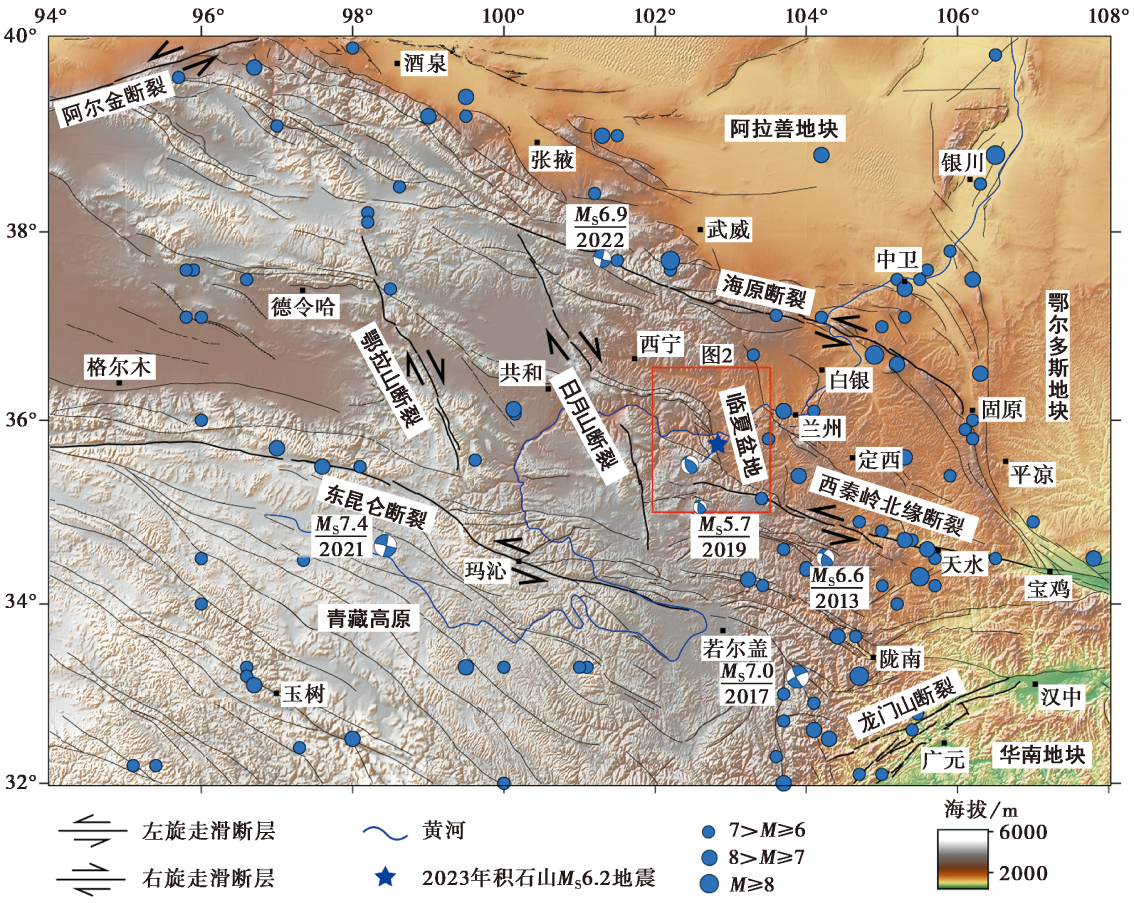
Fig. 1 Tectonic background of Jishishan MS6.2 earthquake.
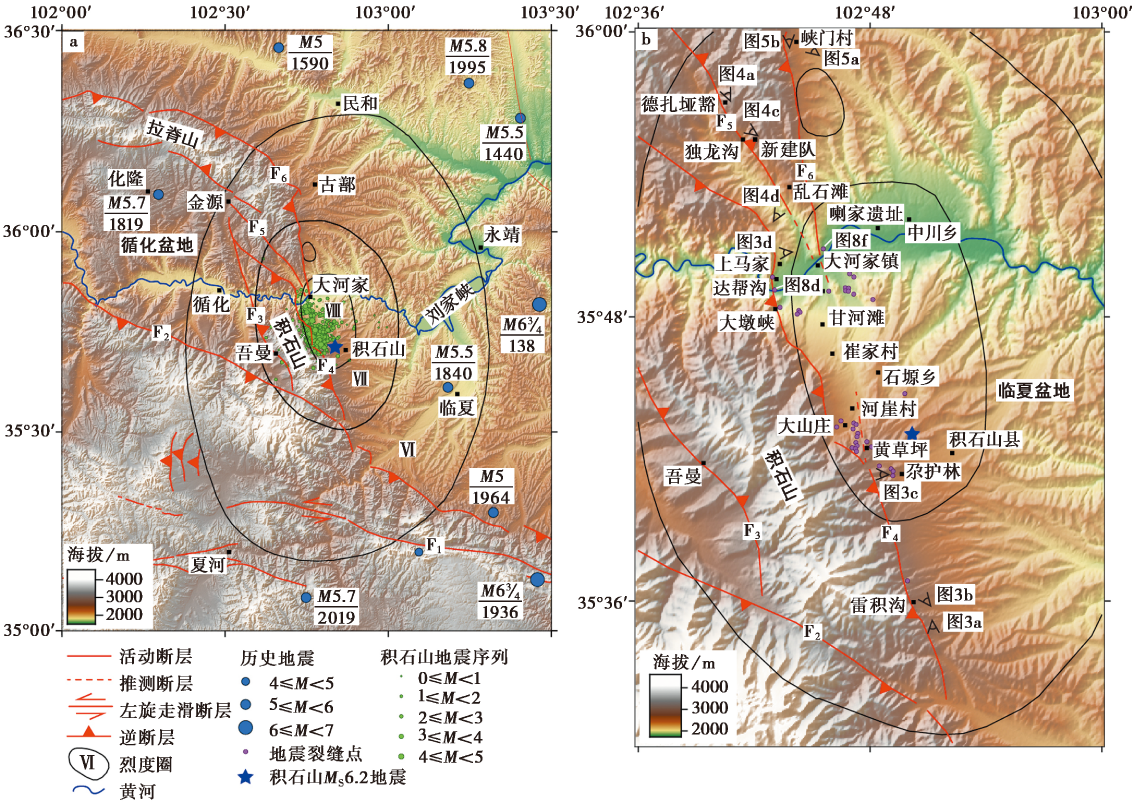
Fig. 2 Active faults around the epicenter of Jishishan MS6.2 earthquake.
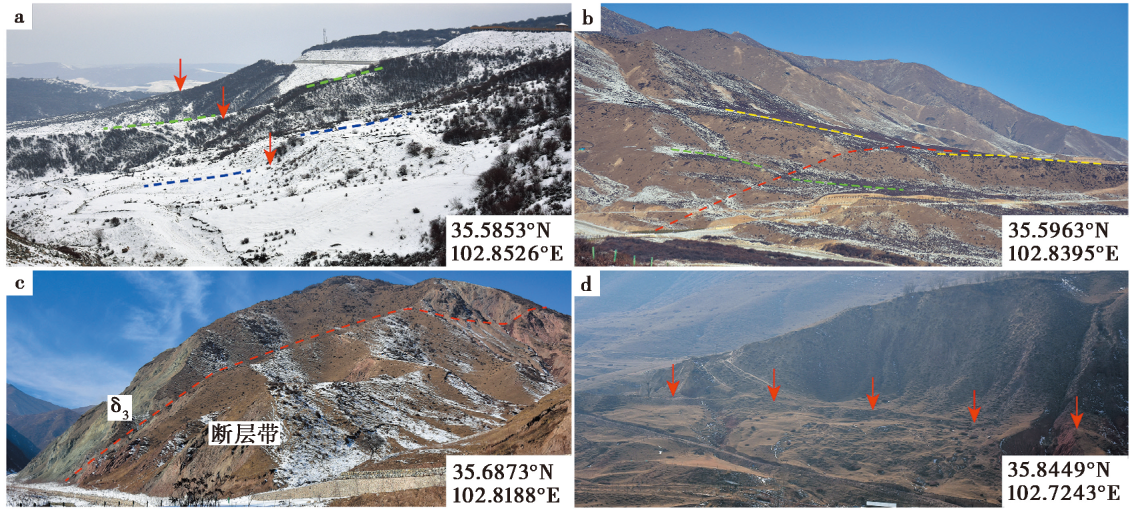
Fig. 3 Geomorphological and geological offset of east margin fault of Jishishan Mountain.
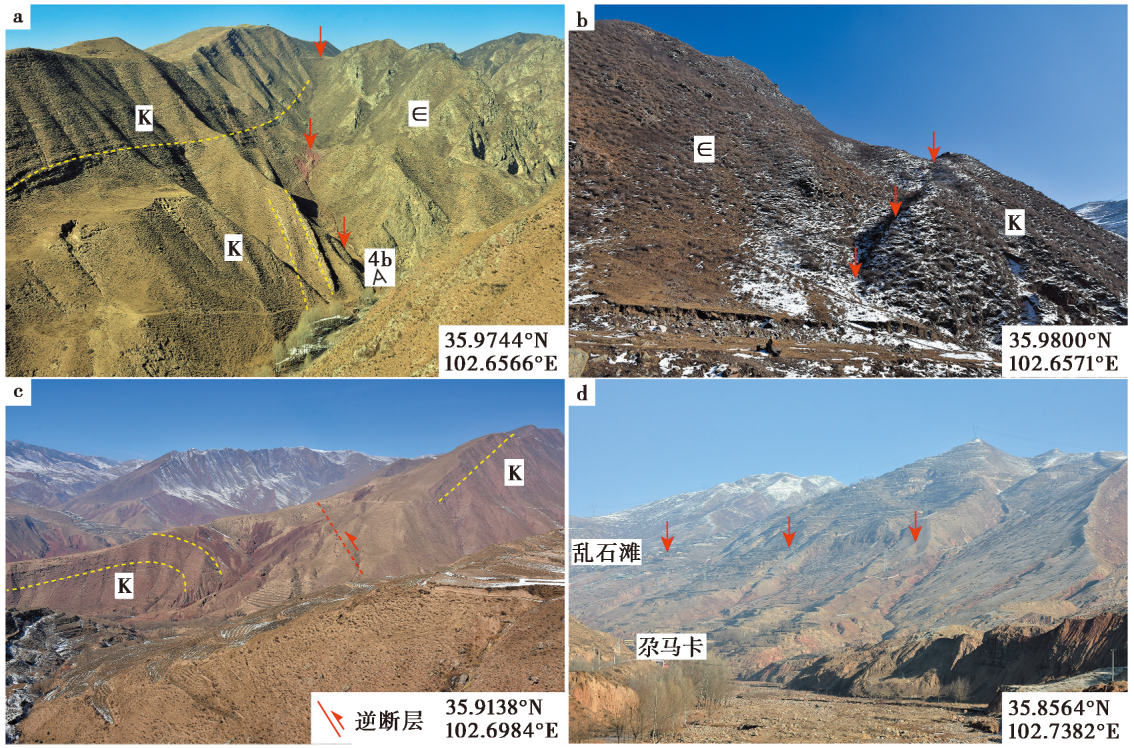
Fig. 4 Geomorphological and geological offset of south margin fault of Lajishan Mountain.
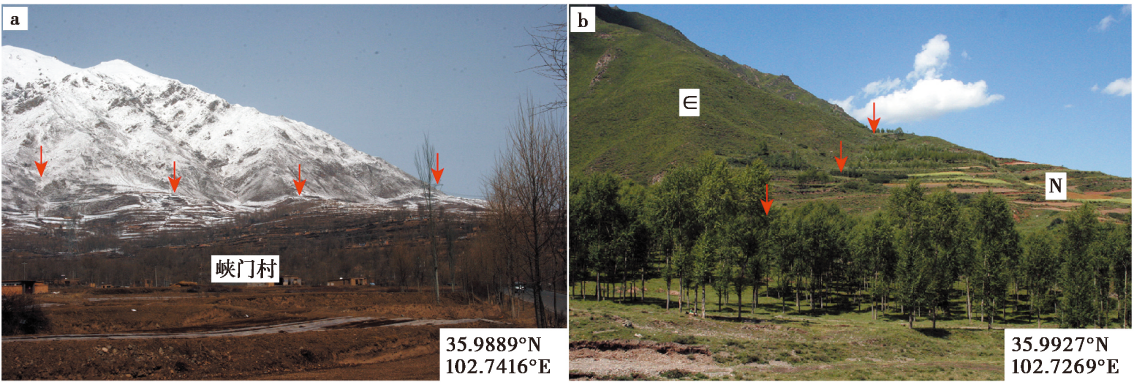
Fig. 5 Geomorphological and geological offset at Xiamen Village site, north margin fault of Lajishan Mountain.
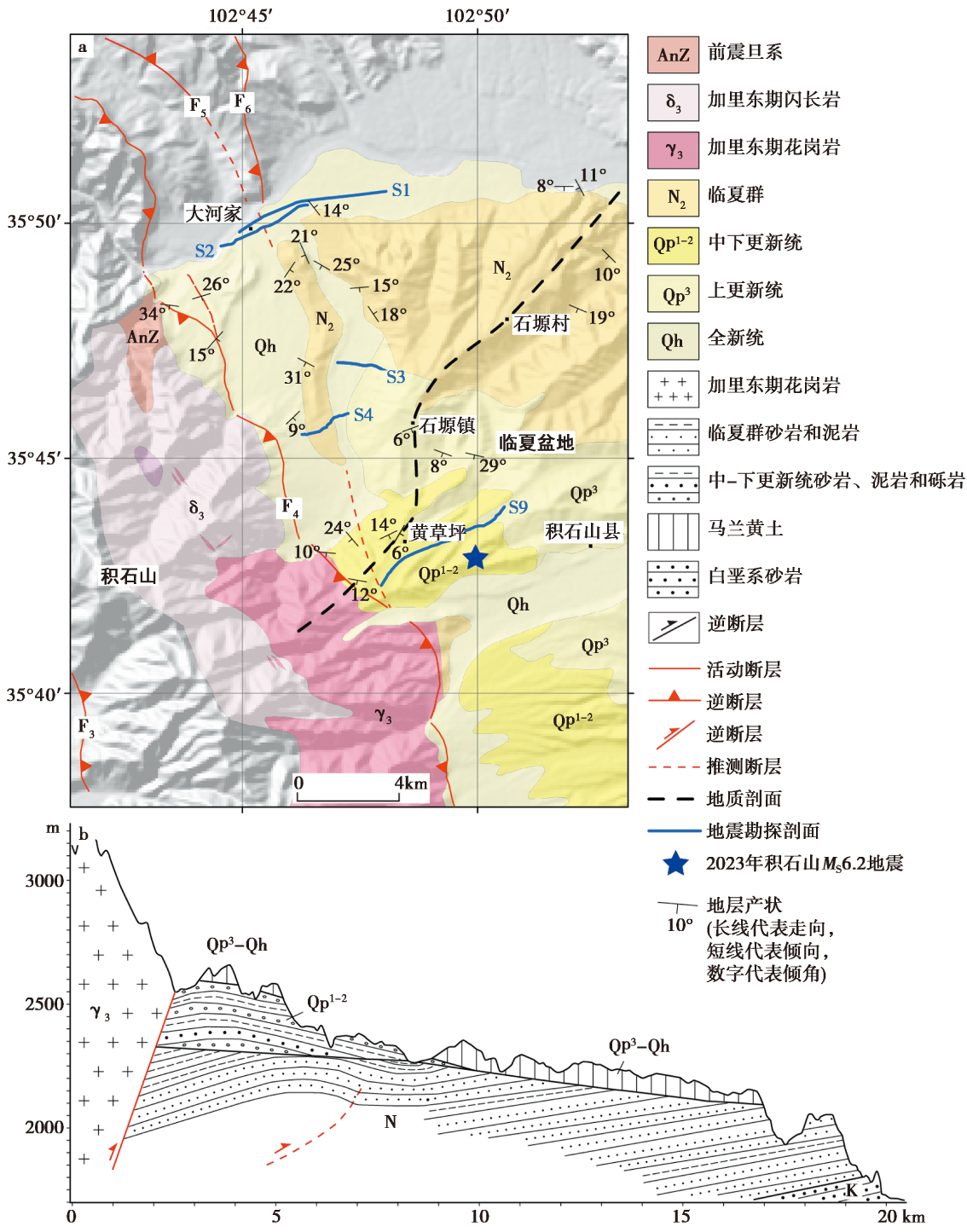
Fig. 6 Geological profile along Jishishan Mountain-Linxia Basin.
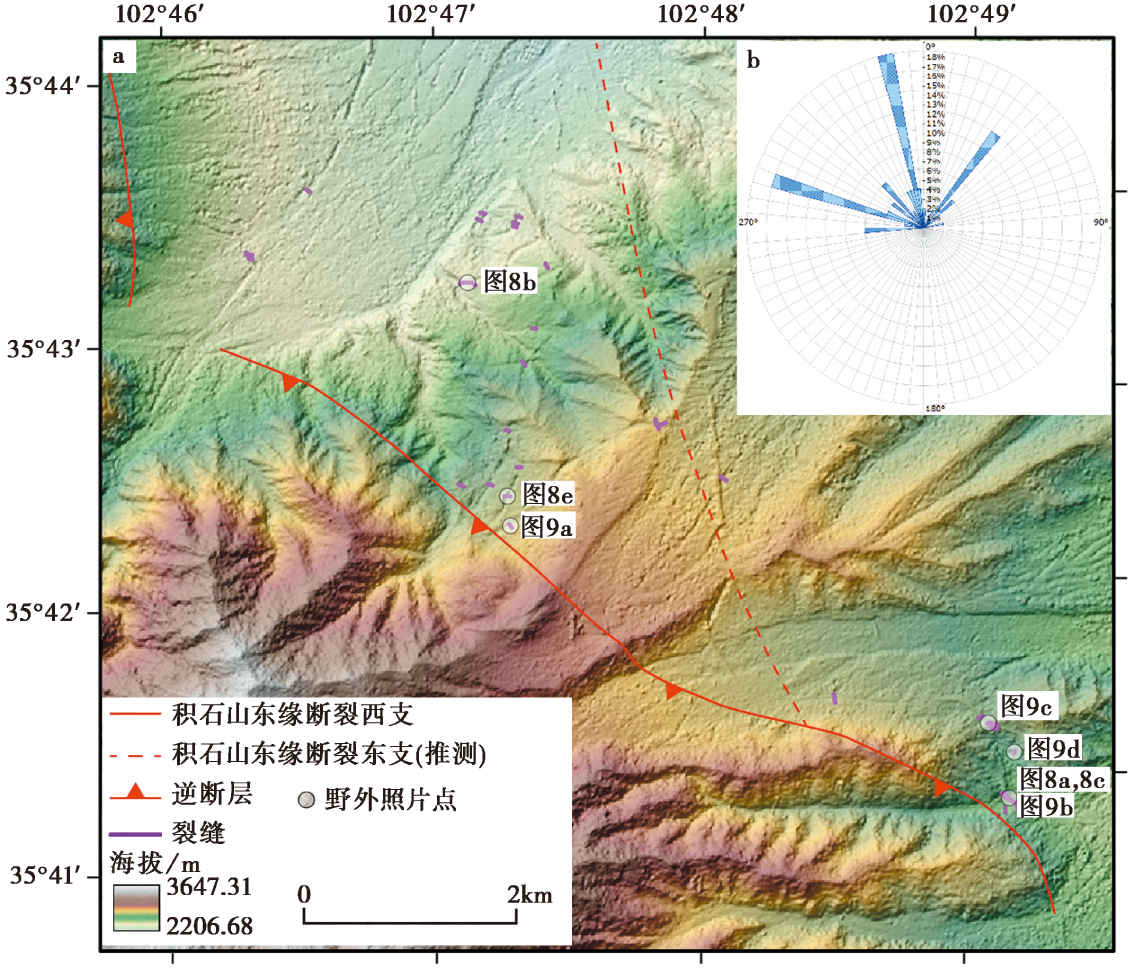
Fig. 7 Distribution of earthquake-induced fissures around Huangcaoping site.
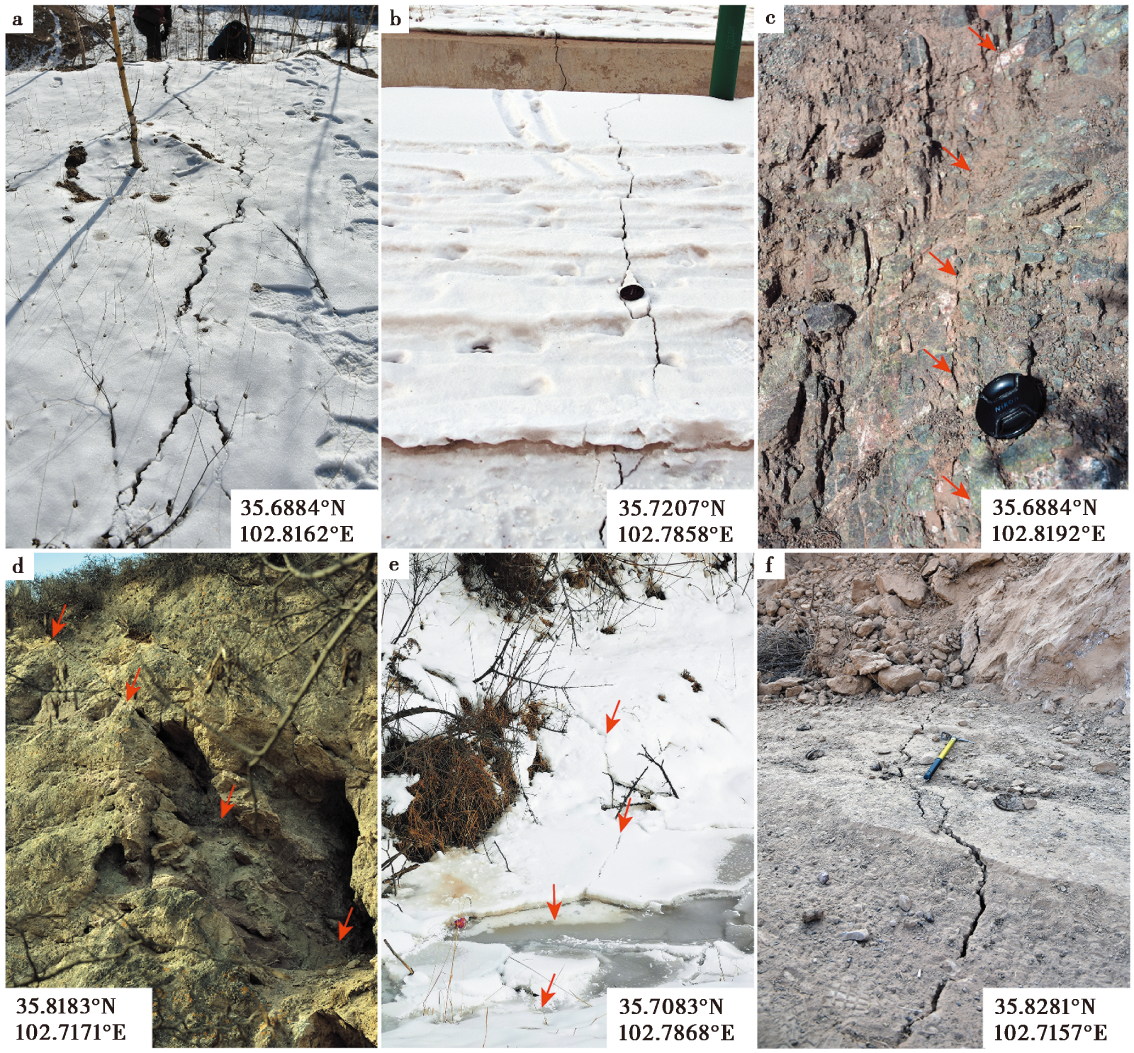
Fig. 8 Typical earthquake-induced fissures associated with Jishishan MS6.2 earthquake.
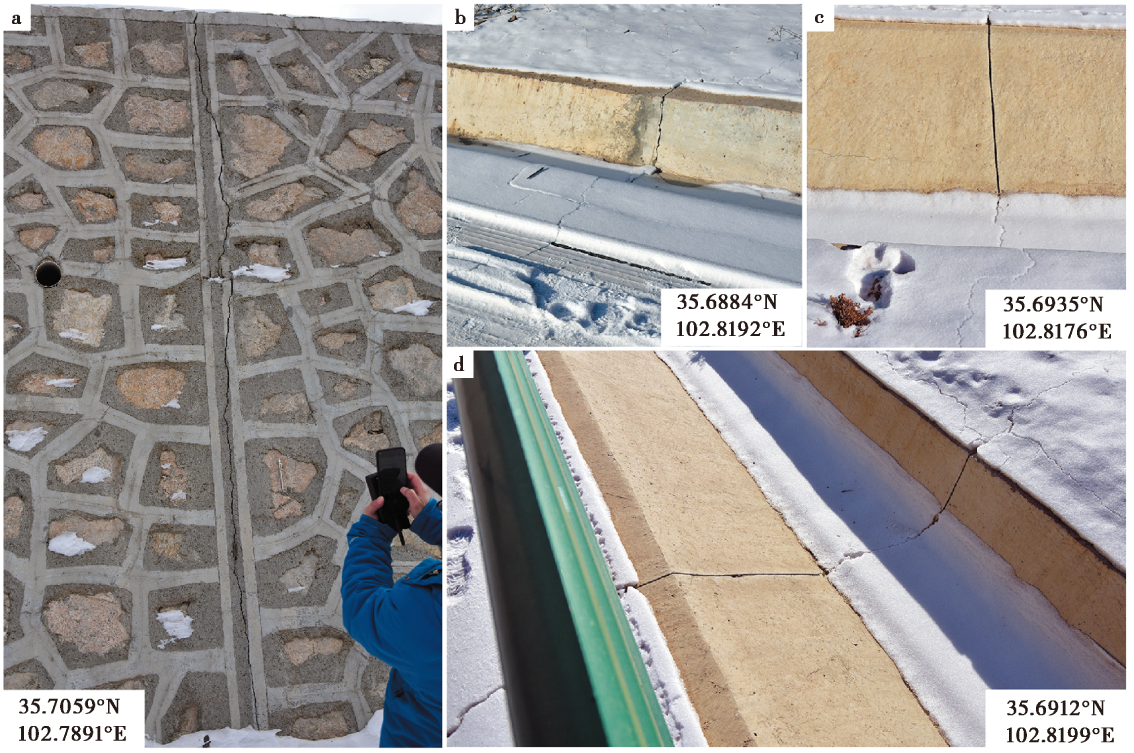
Fig. 9 Earthquake-induced fissures tend to extend along weak parts of manmade constructions.
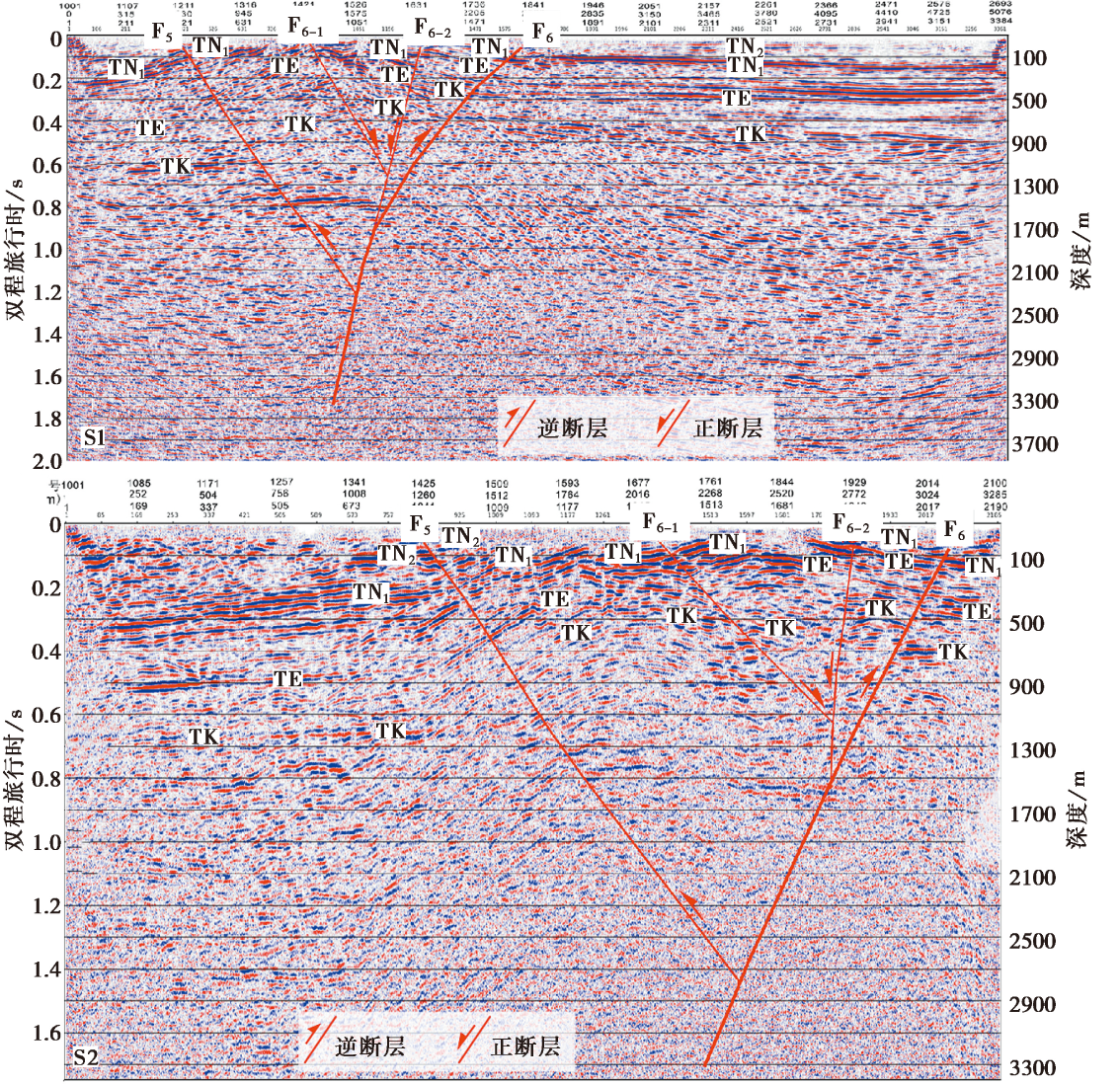
Fig. 10 Shallow geophysical exploration and interpretation along profile S1, S2.

Fig. 11 Shallow geophysical exploration profile S3, S4 and S9.
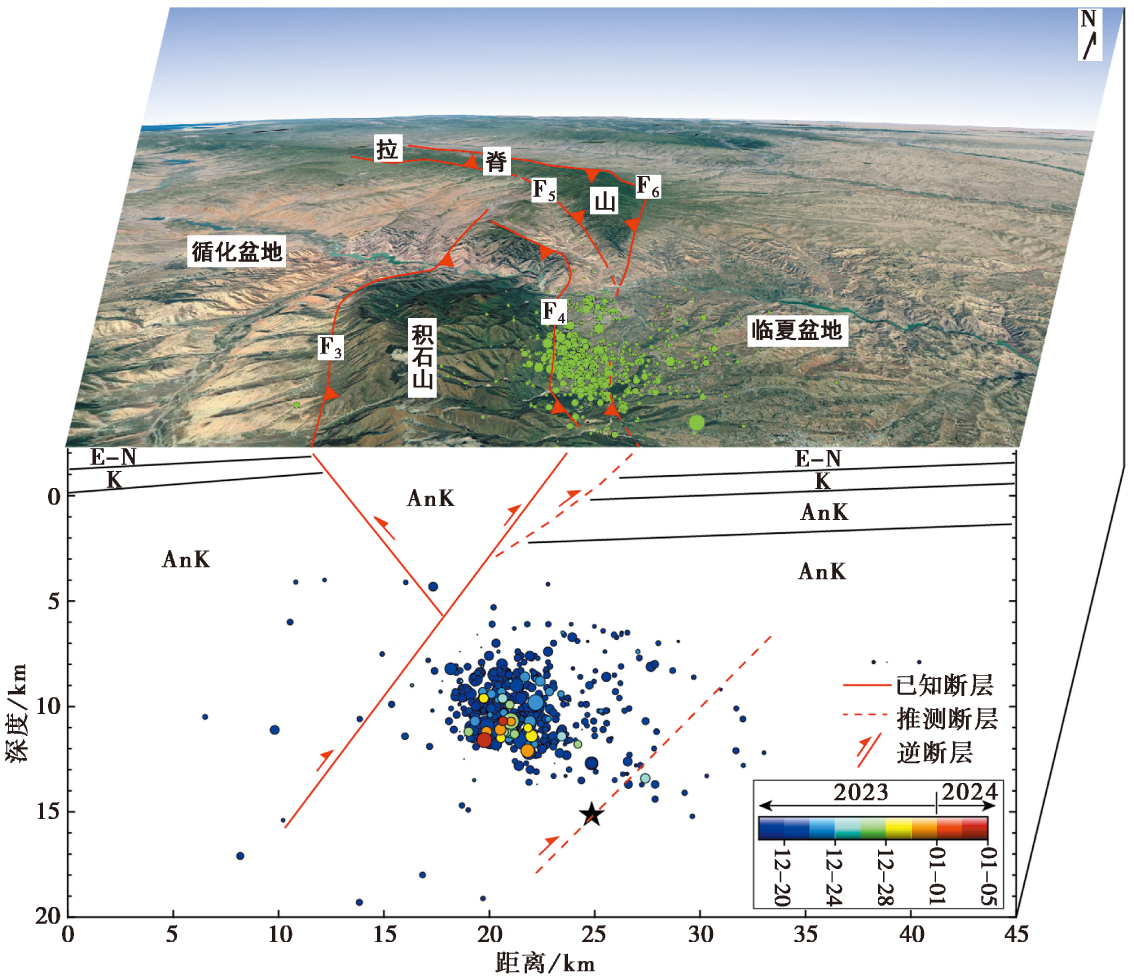
Fig. 12 Seismogenic structure model for Jishishan MS6.2 earthquake.
| [1] |
管树巍, 李本亮, 何登发, 等. 2009. 构造楔形体的识别与勘探--以准噶尔盆地南缘为例[J]. 地学前缘, 16(3): 129-137.
|
|
|
|
| [2] |
国家地震局震害防御司. 1995. 中国历史强震目录(公元前23世纪-公元1911年)[M]. 北京: 地震出版社.
|
|
Department of Earthquake Disaster Prevention, State Seismological Bureau. 1995. Catalogue of Chinese Historical Strong Earthquakes[M]. Seismological Press, Beijing (in Chinese).
|
|
| [3] |
鞠慧超, 张元生, 秦满忠, 等. 2024. 甘肃积石山6.2级地震序列重定位及分析[J]. 地震工程学报, 46(4): 918-923.
|
|
|
|
| [4] |
李传友, 张培震, 张剑玺, 等. 2007. 西秦岭北缘断裂带黄香沟段晚第四纪活动表现与滑动速率[J]. 第四纪研究, 27(1): 54-63.
|
|
|
|
| [5] |
李伟, 杜锦辰, 张超, 等. 2025. 融合多源数据研究积石山地震灾害及人口伤亡时空演化[J]. 武汉大学学报(信息科学版), 50(2): 271-283.
|
|
|
|
| [6] |
李志才, 陈智, 武军郦, 等. 2025. 基于高频GNSS观测的甘肃积石山 MS6.2 地震同震形变[J]. 武汉大学学报(信息科学版), 50(2): 236-246.
|
|
|
|
| [7] |
李智敏, 李延京, 田勤俭, 等. 2014. 拉脊山断裂古地震与喇家遗址灾变事件关系研究[J]. 地震研究, 37(S1): 109-115.
|
|
|
|
| [8] |
刘帅, 何斌, 王涛, 等. 2024. 甘肃积石山县 MS6.2 地震同震地质灾害发育特征与易发性评价[J]. 地质力学学报, 30(2): 314-331.
|
|
|
|
| [9] |
刘振江, 韩炳权, 能懿菡, 等. 2025. InSAR观测约束下的2023年甘肃积石山地震震源参数及其滑动分布[J]. 武汉大学学报(信息科学版), 50(2): 344-355.
|
|
|
|
| [10] |
王二七, 张旗, Burchfiel C B. 2000. 青海拉鸡山: 一个多阶段抬升的构造窗[J]. 地质科学, 35(4): 493-500.
|
|
|
|
| [11] |
王兰民, 许世阳, 王平, 等. 2024. 2023年积石山6.2级地震诱发大规模黄土液化流滑的特征与启示[J]. 岩土工程学报, 46(2): 235-243.
|
|
|
|
| [12] |
王勤彩, 罗钧, 陈翰林, 等. 2024. 2023年12月18日甘肃积石山6.2级地震震源机制解[J]. 地震, 44(1): 185-188.
|
|
|
|
| [13] |
王润妍, 万永革, 宋泽尧, 等. 2024. 2023年12月18日甘肃积石山6.2级地震震源机制及其对周围区域的应力影响[J]. 地震, 44(1): 175-184.
|
|
|
|
| [14] |
王世广, 胥广银, 李帅, 等. 2024. 2023年甘肃积石山 MS6.2 地震序列及发震构造分析[J]. 地震学报, 46(6): 953-968.
|
|
|
|
| [15] |
王伟涛, 张培震, 郑德文, 等. 2014. 青藏高原东北缘海原断裂带晚新生代构造变形[J]. 地学前缘, 21(4): 266-274.
|
|
|
|
| [16] |
吴磊, 巩庆霖, 覃素华. 2013. 阿尔金断裂新生代大规模走滑起始时间的厘定[J]. 岩石学报, 29(8): 2837-2850.
|
|
|
|
| [17] |
徐岳仁, 窦爱霞, 李智敏, 等. 2024. 2023年12月18日甘肃积石山 MS6.2 地震触发次生灾害快速评估[J]. 地震, 44(1): 209-215.
|
|
|
|
| [18] |
徐岳仁, 杜朋, 李文巧, 等. 2020. 1718年通渭M7.5地震滑坡特征分析--黄土高原历史强震触发滑坡数据库的应用[J]. 地球物理学报, 63(3): 1235-1248.
DOI |
|
|
|
| [19] |
杨攀新, 熊仁伟, 胡朝忠, 等. 2024. 2023年甘肃积石山6.2级地震发震构造浅析[J]. 地震, 44(1): 153-159.
|
|
|
|
| [20] |
杨彦明, 苏淑娟. 2024. 2023年甘肃积石山 MS6.2 地震: 一次逆冲为主的浅源强震[J]. 地震, 44(1): 167-174.
|
|
|
|
| [21] |
姚远, 陈杰, 李涛, 等. 2022. 北天山前陆冲断带山麓背斜带新发现反冲断层陡坎及活动褶皱陡坎[J]. 地质通报, 41(11): 1942-1949.
|
|
|
|
| [22] |
袁道阳, 雷中生, 刘小凤, 等. 2004a. 138年金城-陇西 6¾级地震的史料考证与发震构造背景探讨[J]. 地震地质, 26(1): 52-60.
|
|
|
|
| [23] |
袁道阳, 张培震, 刘百篪, 等. 2004b. 青藏高原东北缘晚第四纪活动构造的几何图像与构造转换[J]. 地质学报, 78(2): 270-278.
|
|
|
|
| [24] |
袁道阳, 张培震, 雷中生, 等. 2005. 青海拉脊山断裂带新活动特征的初步研究[J]. 中国地震, 21(1): 93-102.
|
|
|
|
| [25] |
袁道阳, 张培震, 方小敏, 等. 2007. 青藏高原东北缘临夏盆地晚新生代构造变形及过程[J]. 地学前缘, 14(1): 243-250.
|
|
|
|
| [26] |
张波. 2012. 西秦岭北缘断裂西段与拉脊山断裂新活动特征研究[D]. 兰州: 中国地震局兰州地震研究所.
|
|
|
|
| [27] |
张驰, 李智敏, 任治坤, 等. 2022. 日月山断裂南段晚第四纪活动特征[J]. 地震地质, 44(1): 1-19. doi: 10.3969/j.issn.0253-4967.2022.01.001.
|
|
DOI |
|
| [28] |
张军龙, 徐岳仁, 李文巧, 等. 2024. 中强地震发震构造标志浅析--以2023年积石山 MS6.2 地震为例[J]. 地震, 44(1): 226-234.
|
|
|
|
| [29] |
郑德文, 张培震, 万景林, 等. 2006. 构造、 气候与砾岩--以积石山和临夏盆地为例[J]. 第四纪研究, 26(1): 63-69.
|
|
|
|
| [30] |
周琳, 王庆良, 李长军, 等. 2016. 基于GPS和水准资料的拉脊山断裂带西段地壳形变研究[J]. 大地测量与地球动力学, 36(12): 1056-1059.
|
|
|
|
| [31] |
左可桢, 赵翠萍. 2024. 2023年甘肃积石山6.2级地震序列精定位[J]. 地震, 44(1): 204-208.
|
|
|
|
| [32] |
|
| [33] |
DOI URL |
| [34] |
|
| [35] |
DOI URL |
| [36] |
|
| [37] |
|
| [38] |
DOI URL |
| [39] |
|
| [40] |
DOI URL |
| [41] |
|
| [42] |
DOI URL |
| [43] |
DOI URL |
| [44] |
DOI URL |
| [1] | ZHANG Li-qiong, LI Na, GAO Shu-de, JIANG Jia-jia. APPARENT RESITIVITY VARIATION OBSERVED FROM EARTH RESITIVITY STATIONS BEFORE THE JISHISHAN MS6.2 EARTHQUAKE IN 2023 [J]. SEISMOLOGY AND GEOLOGY, 2025, 47(4): 1244-1261. |
| [2] | LI Lin-lin, JIANG Wen-liang, LI De-wen, JIAO Qi-song, LUO Yi, LI Yong-sheng, TIAN Yun-feng, LI Ying-ying. SURFACE RUPTURE CHARACTERISTICS OF THE JISHISHAN MS6.2 EARTHQUAKE ON DECEMBER 18, 2023 [J]. SEISMOLOGY AND GEOLOGY, 2025, 47(4): 1058-1074. |
| [3] | LIU Bai-yun, ZHAO Li, LIU Yun-yun, WANG Wen-cai, ZHANG Wei-dong. THE RESEARCH ON RELOCATION AND FAULT PLANE SOLUTION AND GEOMETRIC MEANING OF THE MADUO M7.4 EARTHQUAKE ON 22 MAY 2021 [J]. SEISMOLOGY AND GEOLOGY, 2023, 45(2): 500-516. |
| [4] | LIU Bai-yun, YIN Zhi-wen, YUAN Dao-yang, LI Liang, WANG Wei-huan. THE RESEARCH ON FAULT PLANE SOLUTION AND GEOMETRIC MEANING OF THE LAOHUSHAN FAULT IN THE NORTHEASTERN TIBETAN PLATEAU [J]. SEISMOLOGY AND GEOLOGY, 2020, 42(6): 1354-1369. |
| [5] | LI Chuan-you, XU Xi-wei, GAN Wei-jun, WEN Xue-ze, ZHENG Wen-jun, WEI Zhan-yu, XU Chong, TAN Xi-bin, CHEN Gui-hua, LIANG Ming-jian, LI Xin-nan. SEISMOGENIC STRUCTURES ASSOCIATED WITH THE 20 APRIL 2013 MS 7.0 LUSHAN EARTHQUAKE, SICHUAN PROVINCE [J]. SEISMOLOGY AND GEOLOGY, 2013, 35(3): 671-683. |
| [6] | LI Jian-hua. RESEARCH ON THE SATELLITE REMOTE SENSING IMAGES INDICATIVE OF STRONG EARTHQUAKE PREPARATION IN THE ORDOS NORTH MARGINAL FAULT BASIN REGION [J]. SEISMOLOGY AND GEOLOGY, 2005, 27(3): 374-381. |
| [7] | ZHOU Ben-gang. DISCUSION ON THE APPLICATION OF THE PROPERTIES OF SEISMOGENIC STRUCTURES TO THE DETERMINATION OF POTENTIAL EARTHQAUKE SOURCE PARAMETERS [J]. SEISMOLOGY AND GEOLOGY, 2004, 26(4): 750-760. |
| Viewed | ||||||
|
Full text |
|
|||||
|
Abstract |
|
|||||
Copyright © SEISMOLOGY AND GEOLOGY, All Rights Reserved.
Tel: 010-62009049/9063 E-mail: dzdz@ies.ac.cn
Powered by Beijing Magtech Co., Ltd.