
SEISMOLOGY AND GEOLOGY ›› 2026, Vol. 48 ›› Issue (2): 329-350.DOI: 10.3969/j.issn.0253-4967.20240118
Previous Articles Next Articles
EXPERIMENTAL STUDY ON THE EFFECTS OF FAULT CONTACT HETEROGENEITY ON SEISMIC ACTIVITY
LI Zi-hong( ), ZHUO Yan-qun*(), CHEN Shun-yun, CHEN Hao, LU Li-li
State Key Laboratory of Earthquake Dynamics and Forecasting ,Institute of Geology, China Earthquake Administration
-
Received:2025-09-27Revised:2025-12-16Online:2026-04-20Published:2026-05-14
断层非均匀接触对地震活动性影响的实验
李子鸿(), 卓燕群*(), 陈顺云, 陈浩, 卢丽莉
地震动力学与强震预测全国重点实验室(中国地震局地质研究所)
-
通讯作者:*卓燕群, 男, 1986年生, 副研究员, 主要研究领域为构造物理学与断层亚失稳, E-mail: zhuoyq@ies.ac.cn。 -
作者简介:李子鸿, 男, 1996年生, 现为中国地震局地质研究所固体地球物理学专业在读博士研究生, 从事实验地震学研究, E-mail: 18686119020@163.com。 -
基金资助:国家重点研发计划项目(2021YFC3000600); 中国地震局地质研究所基本科研业务专项(IGCEA2118); 国家自然科学基金(U2539201)

Cite this article
LI Zi-hong, ZHUO Yan-qun, CHEN Shun-yun, CHEN Hao, LU Li-li. EXPERIMENTAL STUDY ON THE EFFECTS OF FAULT CONTACT HETEROGENEITY ON SEISMIC ACTIVITY[J]. SEISMOLOGY AND GEOLOGY, 2026, 48(2): 329-350.
李子鸿, 卓燕群, 陈顺云, 陈浩, 卢丽莉. 断层非均匀接触对地震活动性影响的实验[J]. 地震地质, 2026, 48(2): 329-350.
share this article
Add to citation manager EndNote|Ris|BibTeX
URL: https://www.dzdz.ac.cn/EN/10.3969/j.issn.0253-4967.20240118
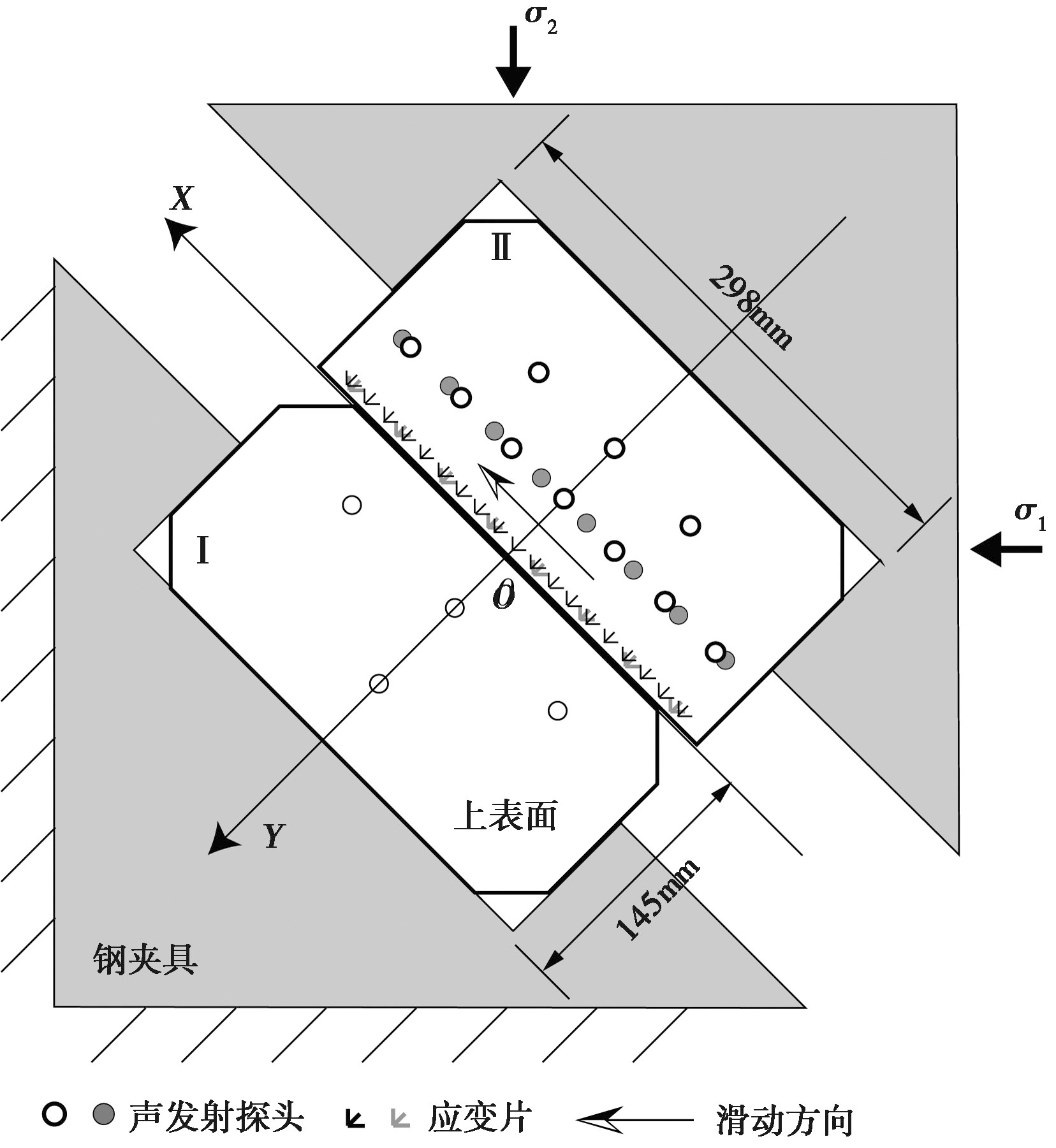
Fig. 1 Schematic diagram showing sample design, loading manner, and distribution of sensors.
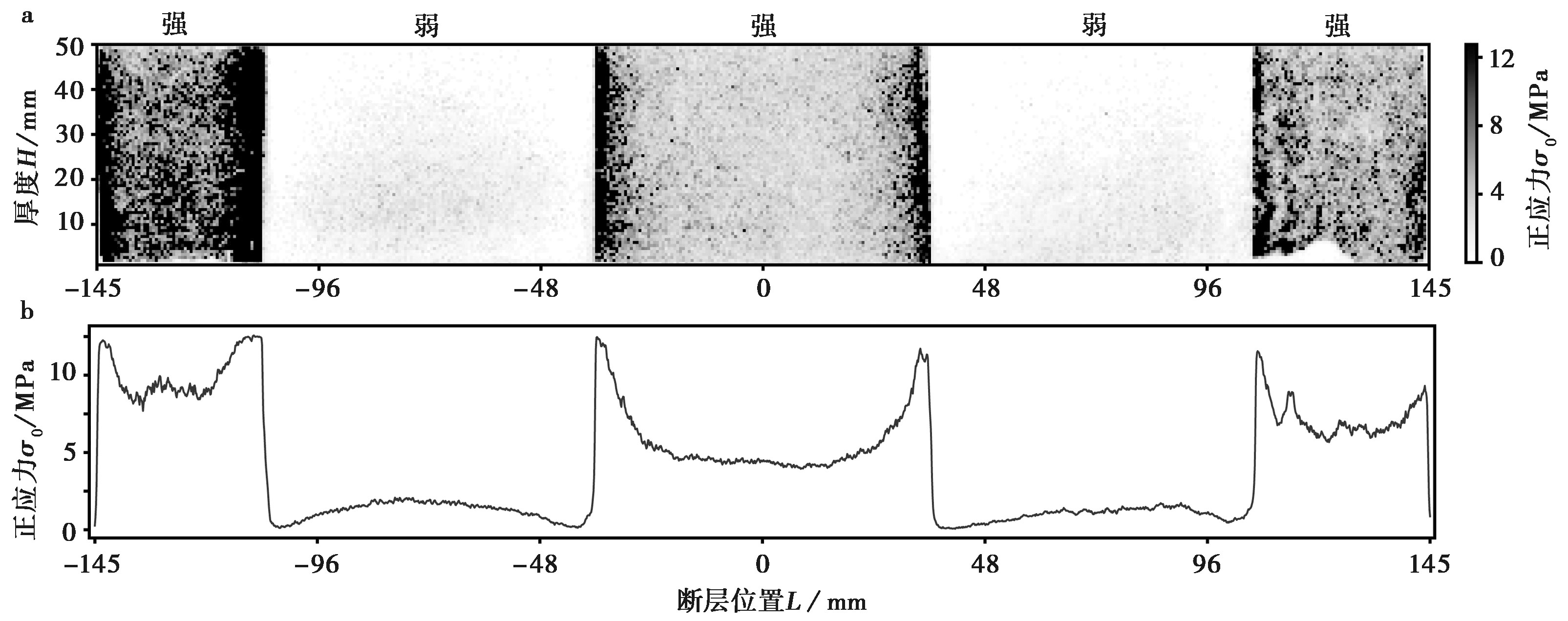
Fig. 2 Fault contact and normal stress distribution.
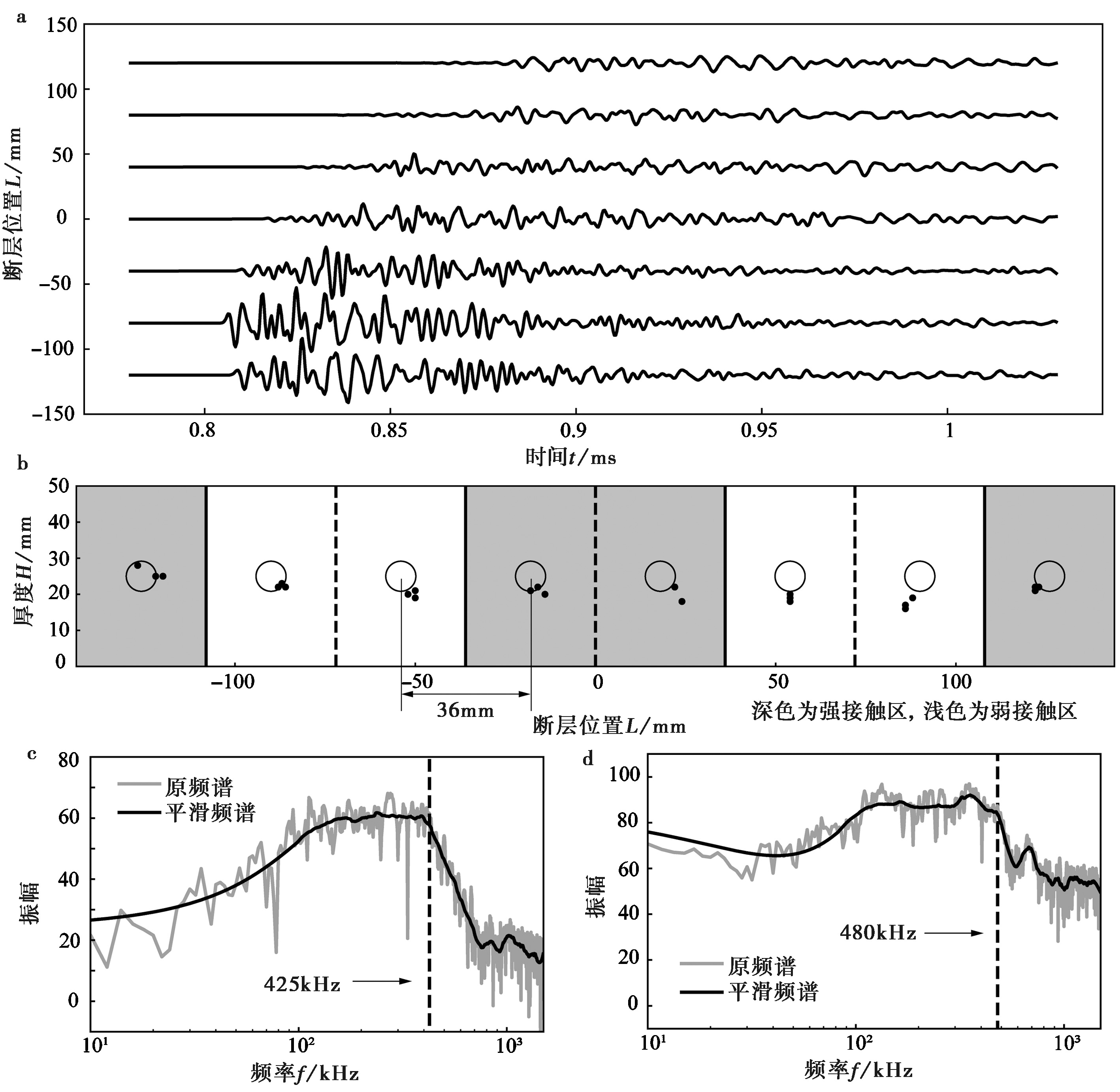
Fig. 3 Processing methods of signals of ball drop and AE events.
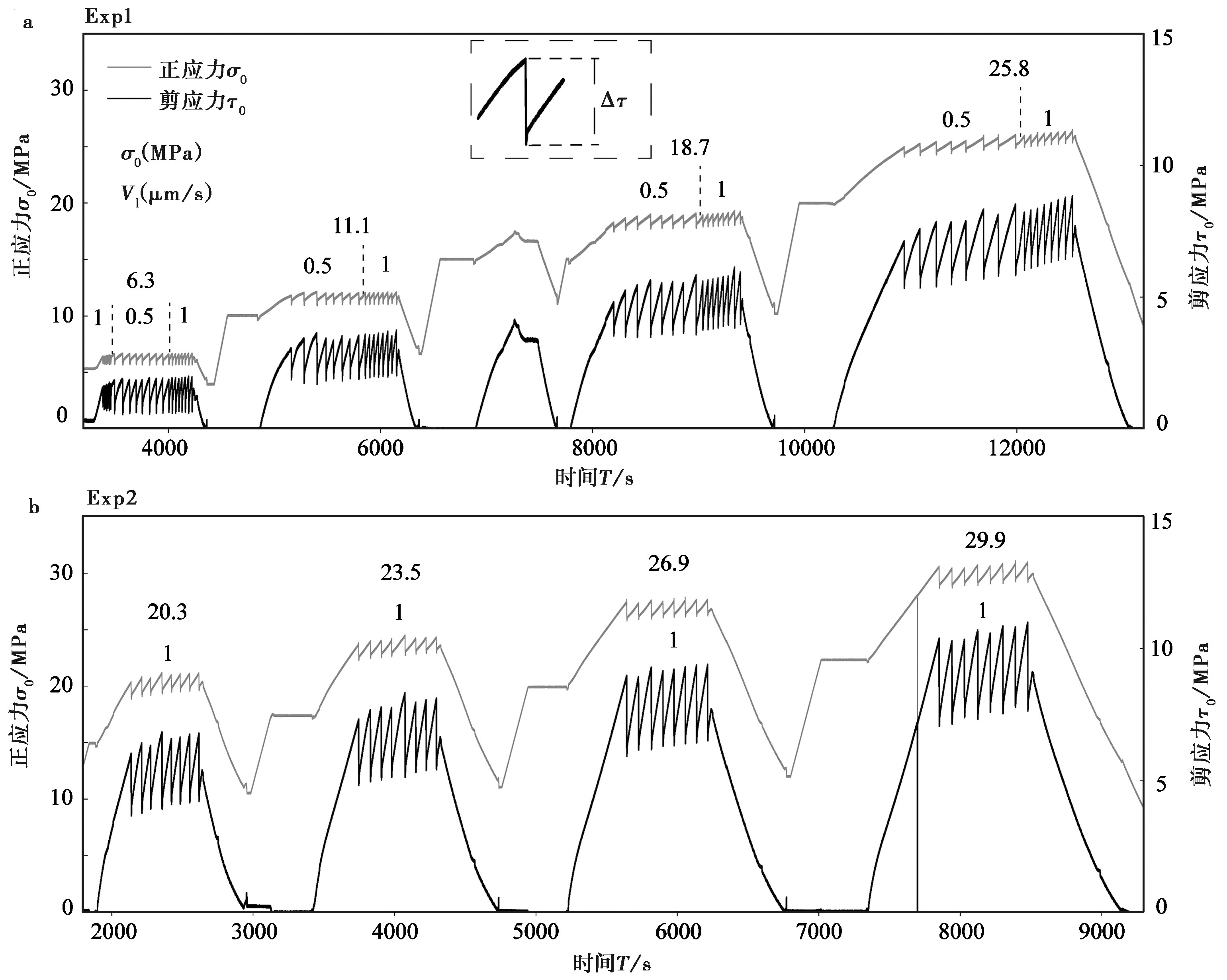
Fig. 4 The average loading curves during the experiments.
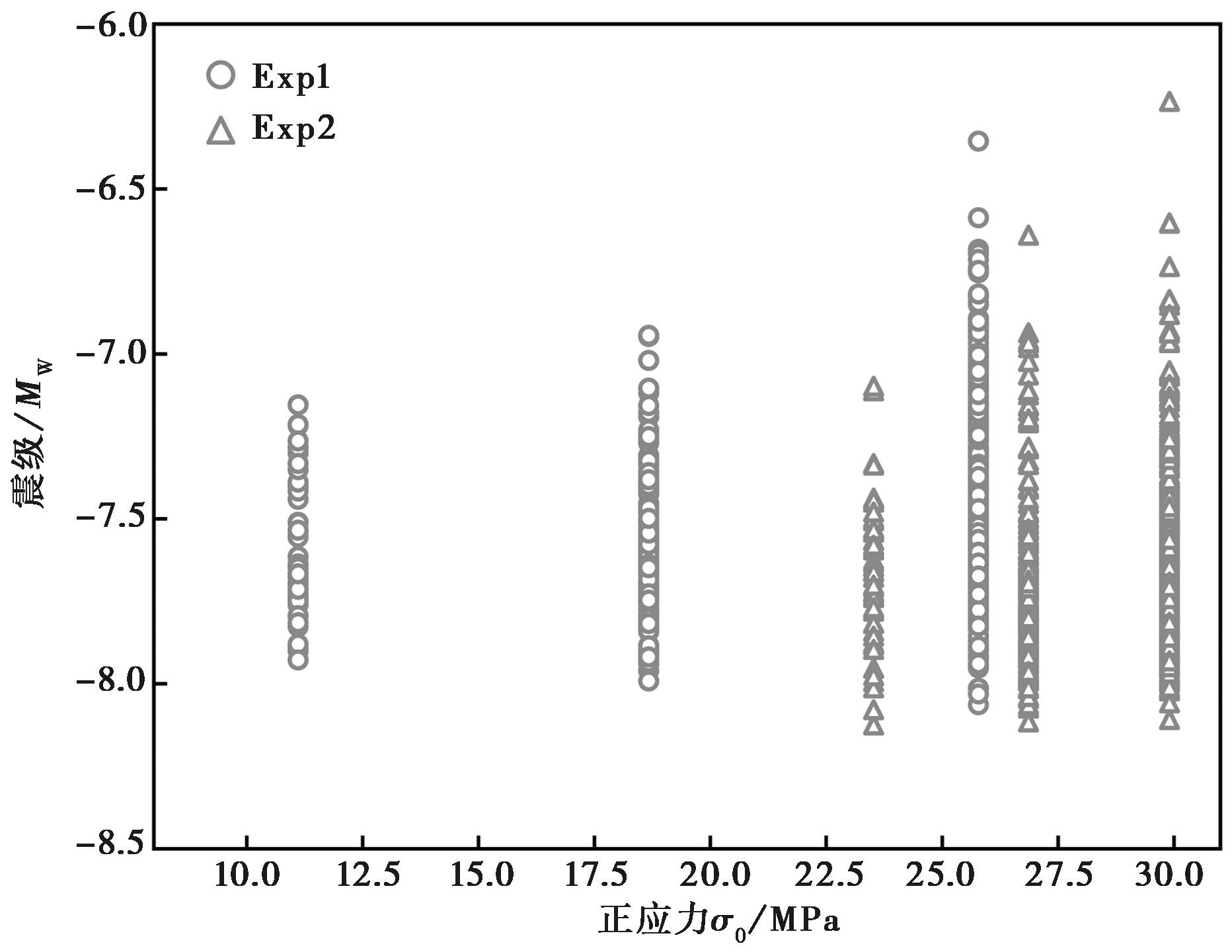
Fig. 5 The relationship between the magnitude of small AE events and the average normal stress.
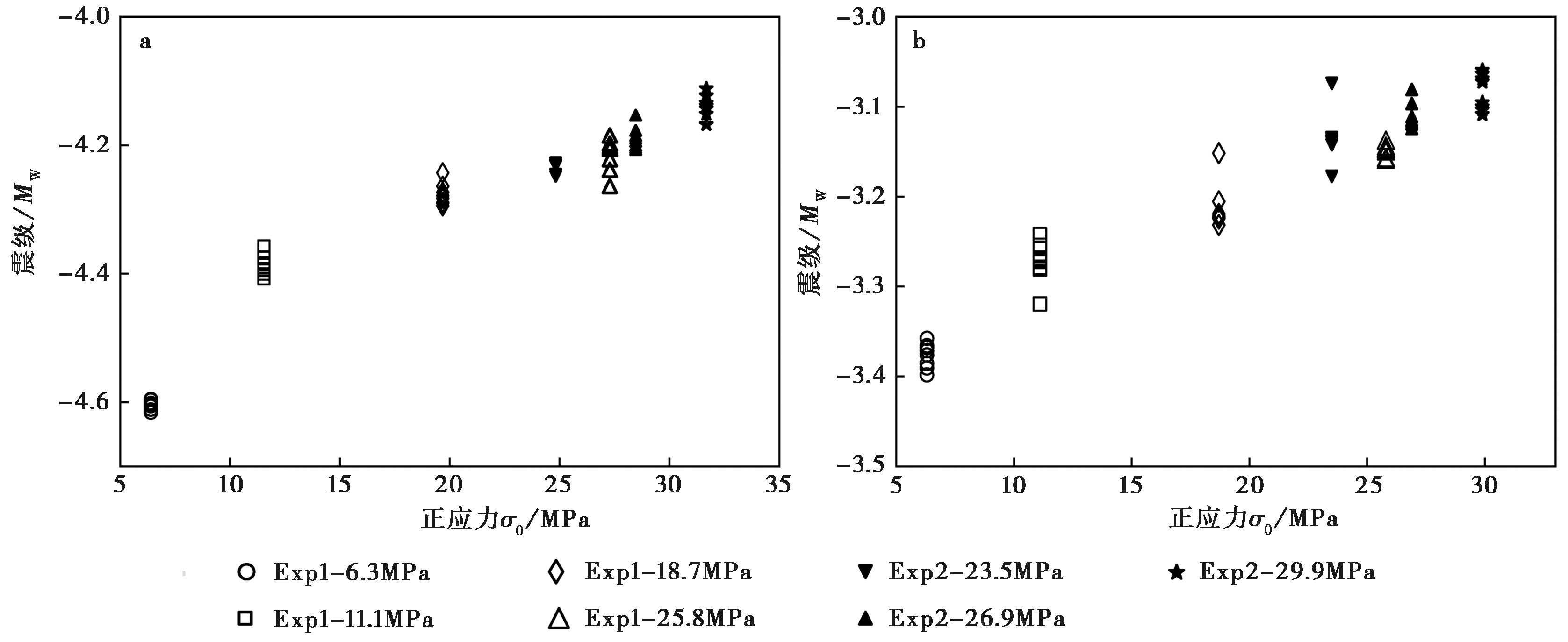
Fig. 6 The relationship between the mainshock magnitude and average normal stress.
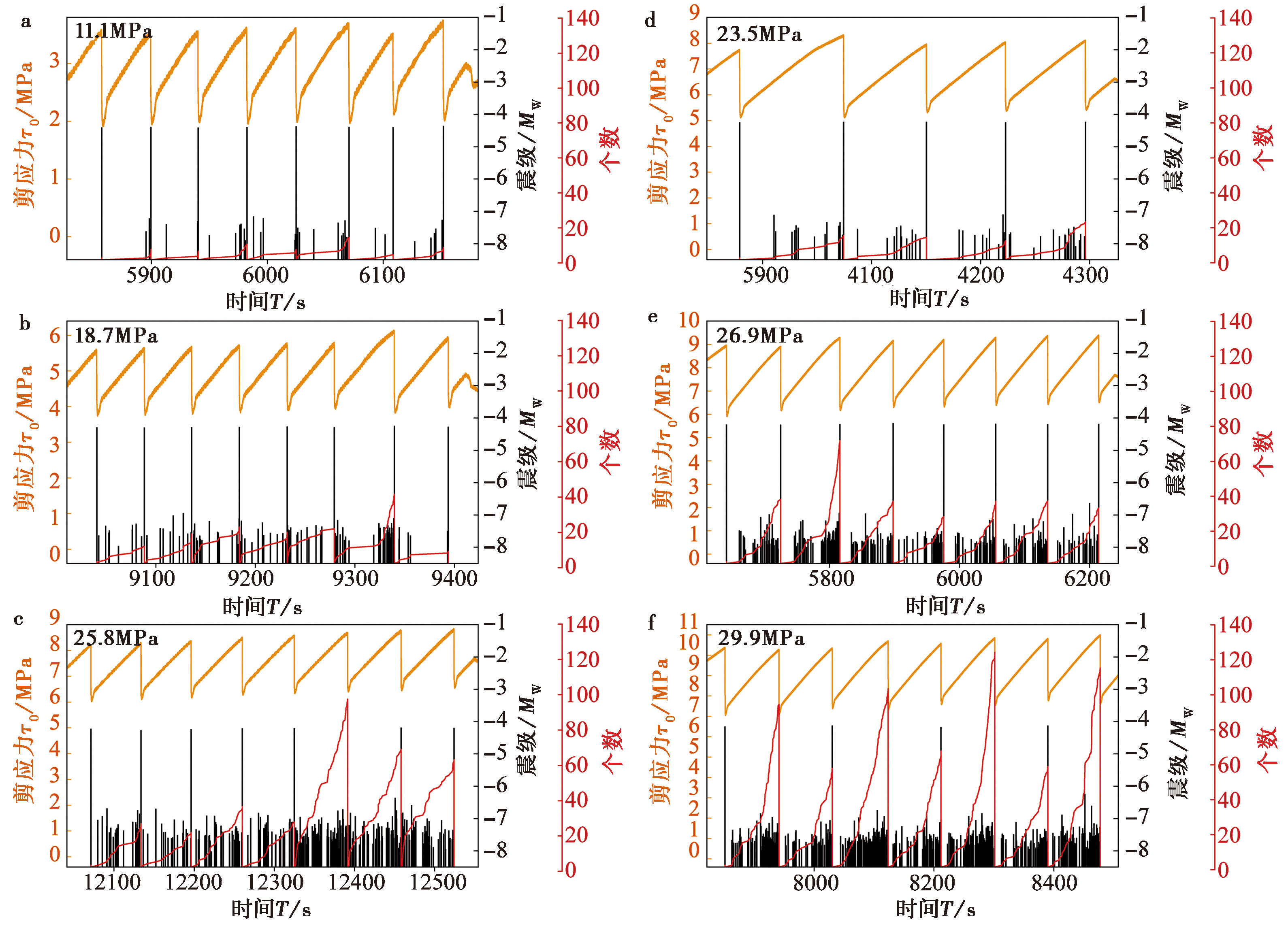
Fig. 7 The time-dependent variation process of acoustic emission magnitude under different normal stresses(M-T diagram).
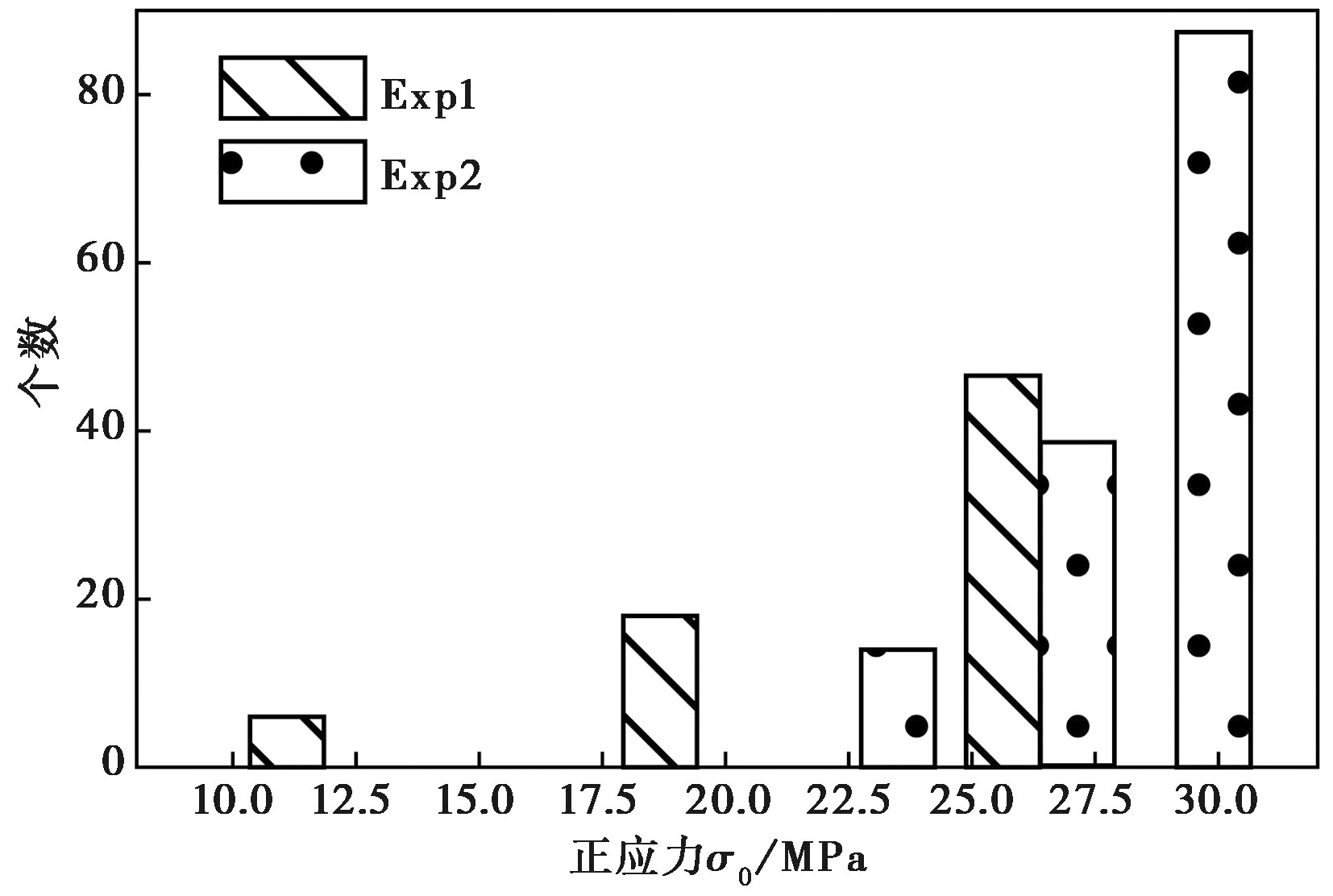
Fig. 8 The average number of small events in each stick-slip cycle under different average normal stresses.
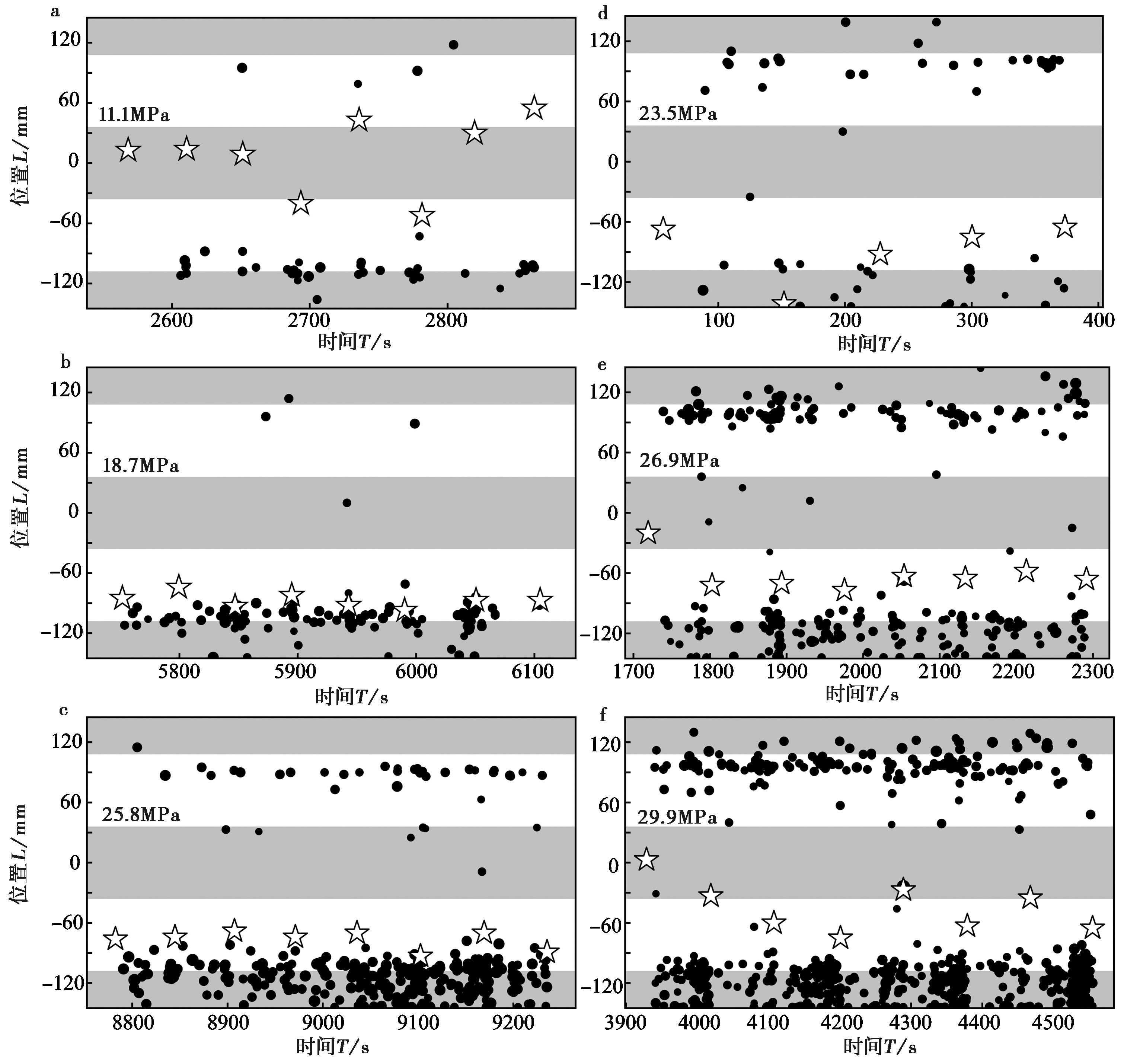
Fig. 9 The spatio-temporal evolution of small AE events and mainshock under different normal stresses.
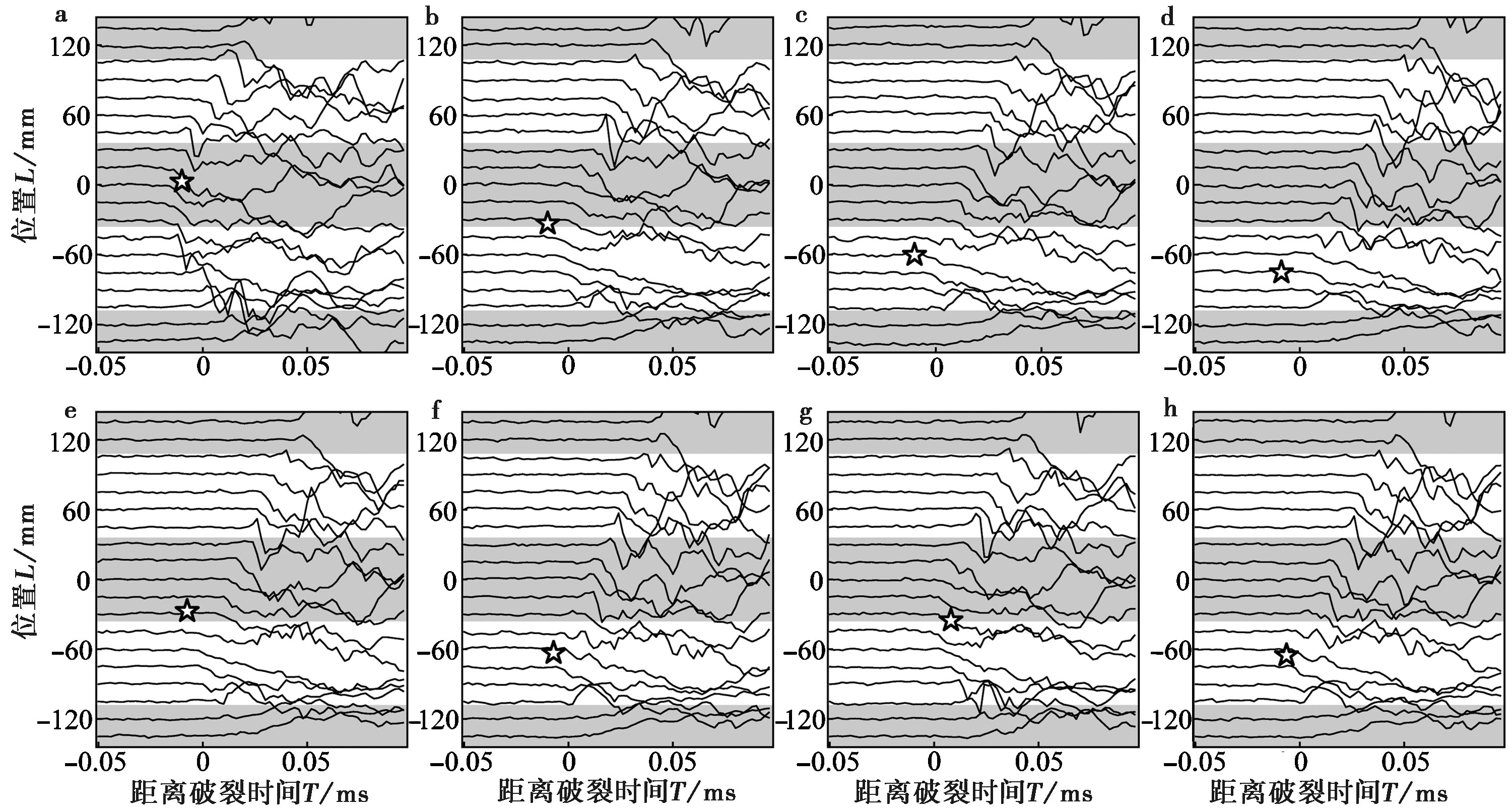
Fig. 10 Relationship between AE location and shear stress distribution.
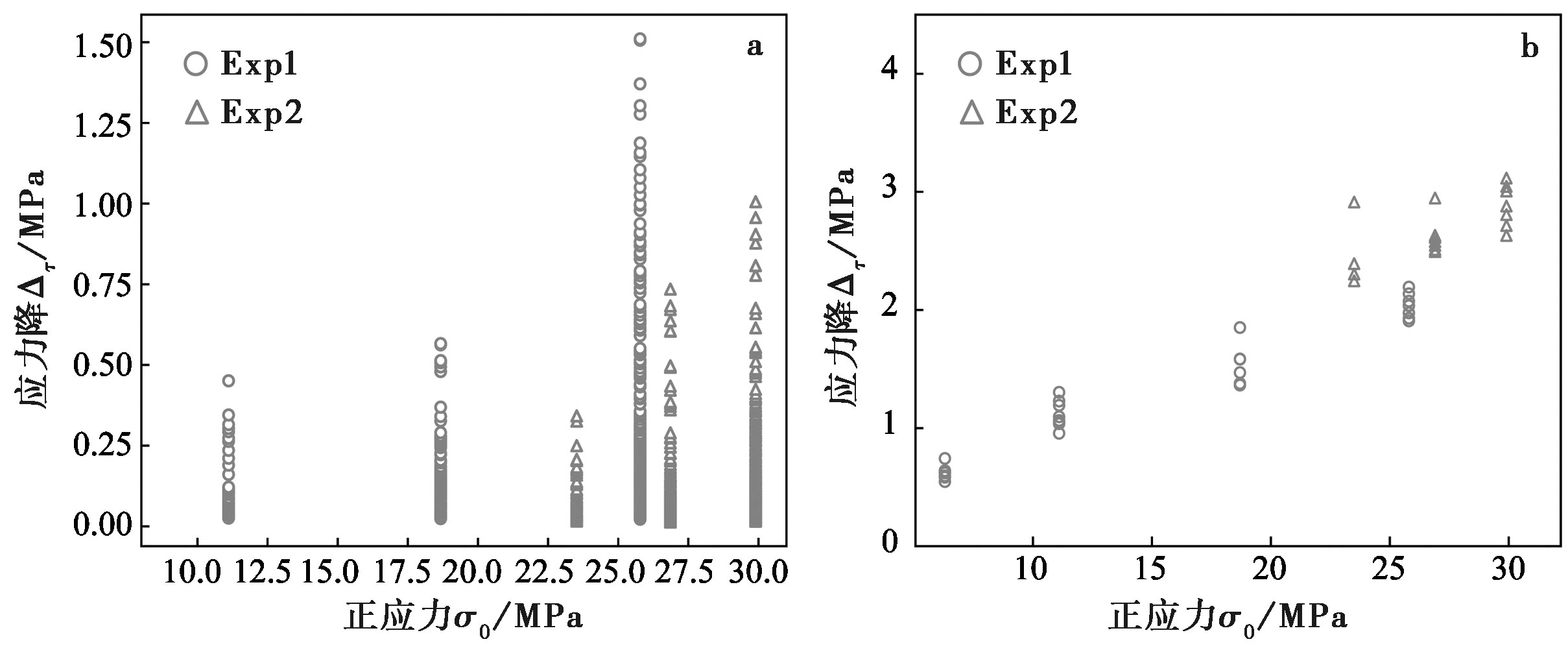
Fig. 11 The relationship between stress drop and average normal stress of small AE events and mainshocks.
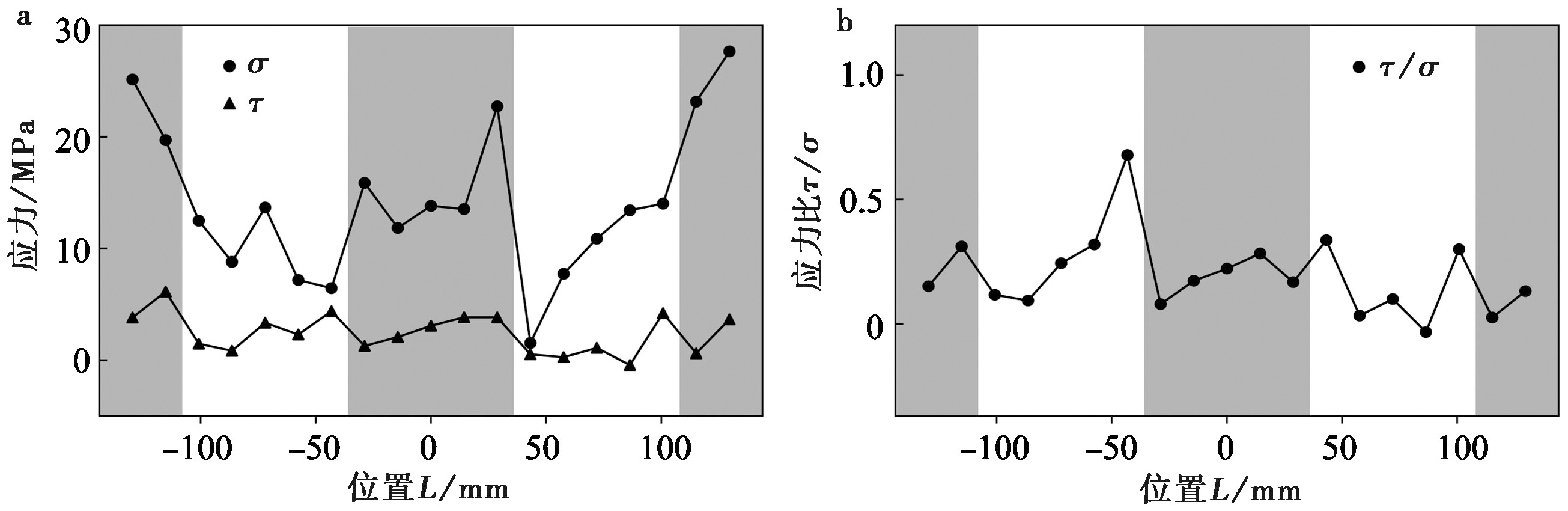
Fig. 12 Distributions of normal stress, shear stress, and stress ratio along fault shear direction.
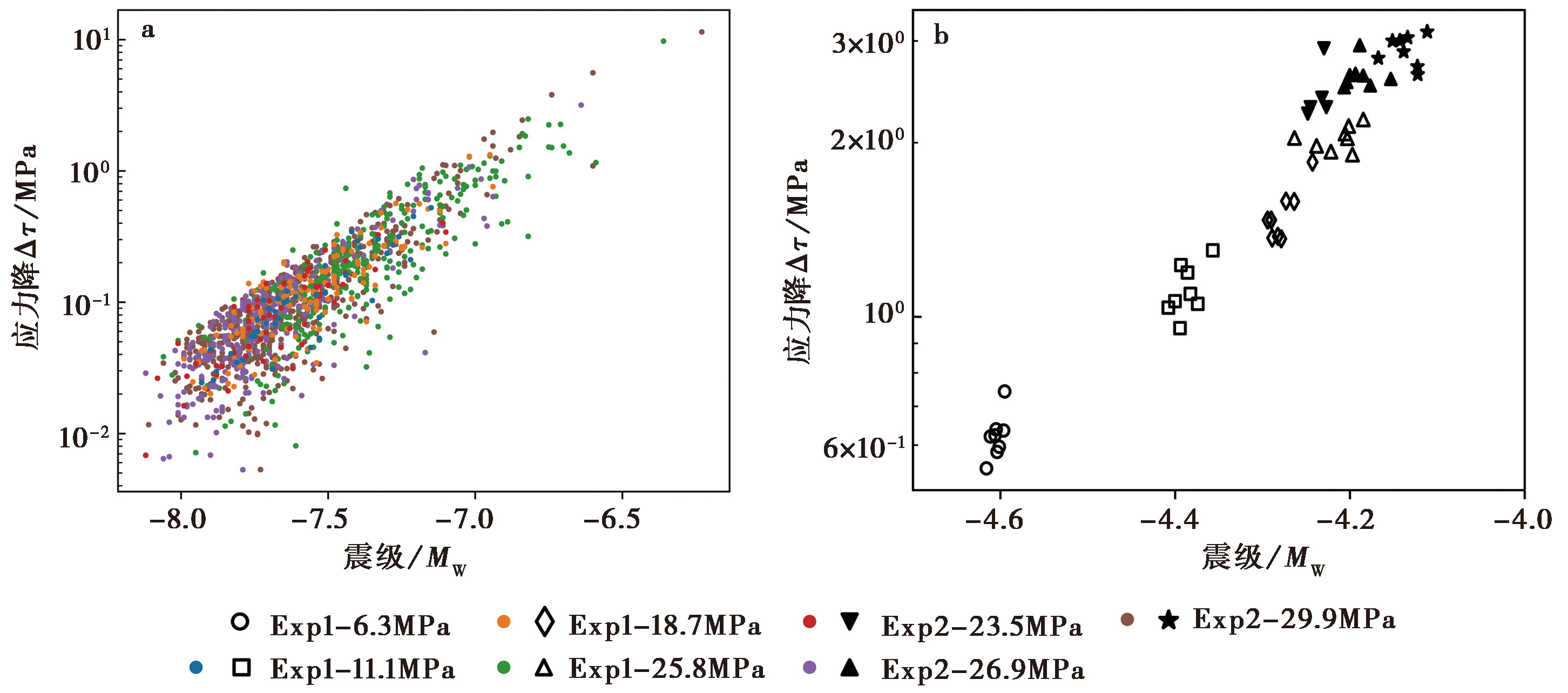
Fig. 13 The relationship between stress drop and magnitude of small AE events and mainshocks.
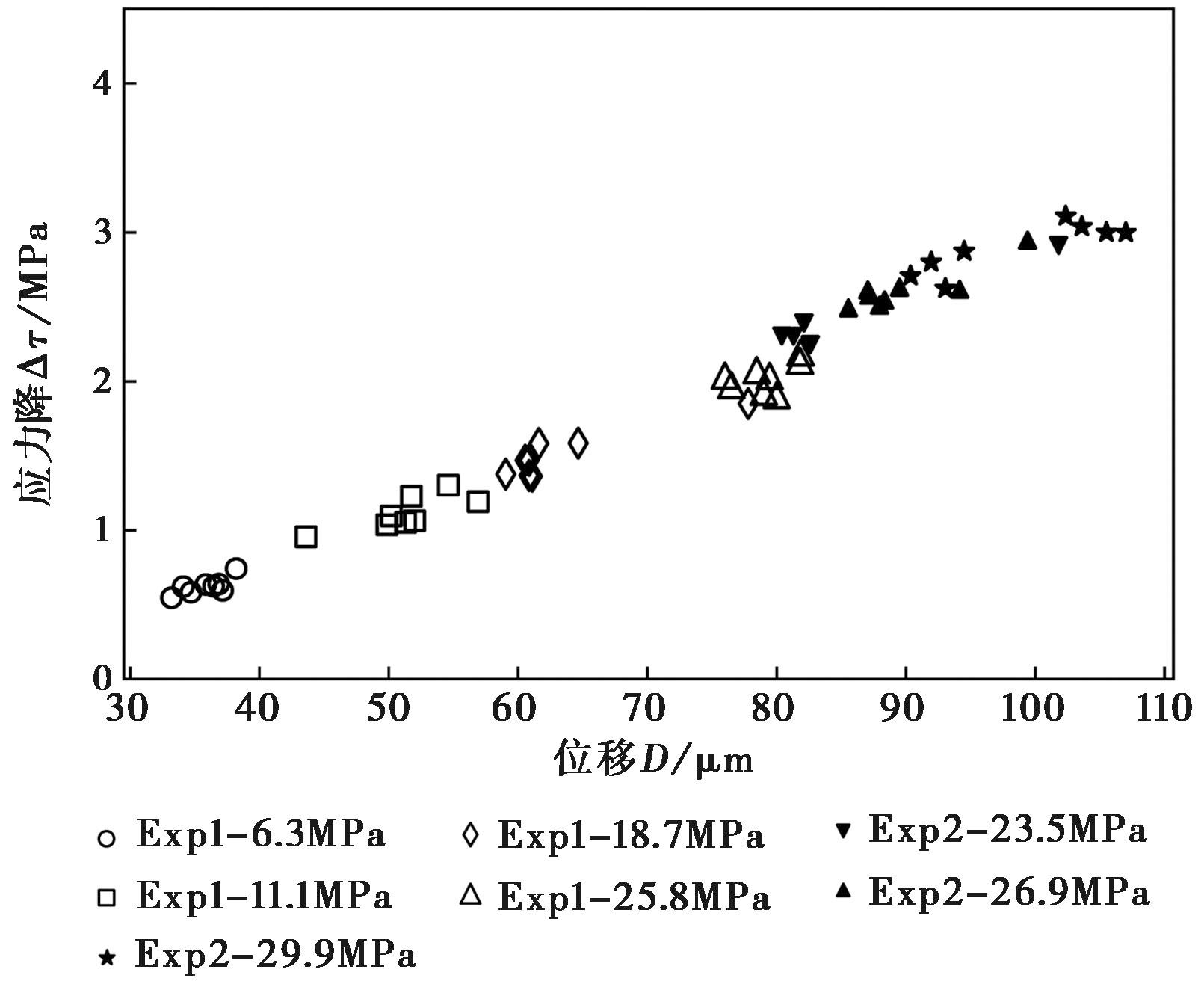
Fig. 14 The relationship between stress drop and displacement of mainshocks.
| [1] |
陈运泰, 吴忠良, 王培德, 等. 2000. 数字地震学[M]. 北京: 地震出版社.
|
|
|
|
| [2] |
郭玲莉, 刘力强, 马瑾. 2014. 黏滑实验的震级评估和应力降分析[J]. 地球物理学报, 57(3): 867—876.
|
|
|
|
| [3] |
蒋海昆, 马胜利, 张流, 等. 2002. 雁列式断层组合变形过程中的声发射活动特征[J]. 地震学报, 24(4): 385—396.
|
|
|
|
| [4] |
蒋海昆, 马胜利, 张流, 等. 2003. 共线不连通断层标本变形过程中群体微破裂事件的时空演化[J]. 地震, 23(3): 1—9.
|
|
|
|
| [5] |
雷兴林, 马瑾. 1990. 实验室岩石声发射三维定位及标本波速场联合反演理论及方法[C]// 全国第二届构造物理学术讨论会文集. 北京: 地震出版社: 186—195.
|
|
|
|
| [6] |
刘建锋. 2021. 岩石声发射研究现状[J]. 四川师范大学学报(自然科学版), 44(5): 569—575, 566.
|
|
|
|
| [7] |
刘力强, 刘天昌. 1995. 室内构造变形物理场观测系统的设计与实施[J]. 地震地质, 17(4): 357—362.
|
|
|
|
| [8] |
刘力强, 马胜利, 马瑾, 等. 2001. 不同结构岩石标本声发射b值和频谱的时间扫描及其物理意义[J]. 地震地质, 23(4): 481—492.
|
|
|
|
| [9] |
刘培洵, 郭彦双, 陈顺云, 等. 2015. 地震弱初始震相及其影响因素的实验研究[C]// 2015年中国地球科学联合学术年会论文集: 2898—2899.
|
|
|
|
| [10] |
刘培洵, 刘力强, 陈顺云, 等. 2007. 实验室声发射三维定位软件[J]. 地震地质, 29(3): 674—679.
|
|
|
|
| [11] |
任雅琼, 谢凡, 卓燕群. 2024. 断层接触非均匀性对米尺度断层黏滑失稳成核过程的控制[J]. 地球物理学报, 67(6): 2336—2349.
|
|
|
|
| [12] |
童国炜, 周循道, 黄林轶, 等. 2021. 声发射检测信号分析及源定位方法研究[J]. 仪表技术与传感器, (5): 96—100.
|
|
|
|
| [13] |
王文峰. 2006. 基于LINGO的最小一乘线性回归的参数估计[J]. 贵州财经学院学报, (6): 106—108.
|
|
|
|
| [14] |
王笑然, 李楠, 王恩元, 等. 2020. 岩石裂纹扩展微观机制声发射定量反演[J]. 地球物理学报, 63(7): 2627—2643.
|
|
|
|
| [15] |
赵翠萍, 陈章立, 华卫, 等. 2011. 中国大陆主要地震活动区中小地震震源参数研究[J]. 地球物理学报, 54(6): 1478—1489.
|
|
|
|
| [16] |
周少辉, 蒋海昆. 2016. 前震研究进展综述[J]. 地震, 36(3): 1—13.
|
|
|
|
| [17] |
|
| [18] |
|
| [19] |
|
| [20] |
|
| [21] |
|
| [22] |
DOI URL |
| [23] |
|
| [24] |
|
| [25] |
|
| [26] |
|
| [27] |
|
| [28] |
|
| [29] |
|
| [30] |
DOI URL |
| [31] |
|
| [32] |
|
| [33] |
|
| [34] |
|
| [35] |
|
| [36] |
|
| [37] |
|
| [38] |
|
| [39] |
|
| [40] |
|
| [41] |
|
| [42] |
|
| [43] |
|
| [44] |
|
| [45] |
DOI URL |
| [46] |
|
| [47] |
|
| [48] |
DOI PMID |
| [49] |
|
| [50] |
|
| [51] |
|
| [52] |
DOI URL |
| [53] |
DOI PMID |
| [54] |
|
| [55] |
|
| [56] |
DOI URL |
| [1] | QIAN Ting, CHEN Hao, HE Yi-cheng, JIANG Hao-lin, DU Hang, NI Hao-qi. HIGH-RESOLUTION CRUSTAL VELOCITY AND ANALYSIS OF SEISMIC SPATIAL VARIATION CHARACTERISTICS IN THE CENTRAL AND SOUTHERN SEGMENTS OF THE TAN-LU FAULT ZONE [J]. SEISMOLOGY AND GEOLOGY, 2026, 48(2): 442-459. |
| [2] | JIANG Hai-kun, SONG Jin. THE TIDAL TRIGGERING CHARACTERISTICS OF MS≥4.0 AFTERSHOCKS IN JANUARY 23, 2024 WUSHI MS7.1 EARTHQUAKE SEQUENCE, XINJIANG, CHINA [J]. SEISMOLOGY AND GEOLOGY, 2025, 47(6): 1526-1545. |
| [3] | GAO Shu-de, WU Xiao-ping, LUO Wei-bin, YANG Xiao-peng, WANG Wen-cai, YAO Sai-sai, CHEN Shuang-gui, LIU Jun. SUMMARY OF PRECURSORS OF THE MENYUAN MS6.9 EARTHQUAKE AND ITS INSPIRATION FOR SUB-INSTABILITY THEORY [J]. SEISMOLOGY AND GEOLOGY, 2025, 47(6): 1546-1565. |
| [4] | DAI Meng-xue, XU Rong-rong, ZHAO Fei-yu, PEI Jun-ling. ANALYSIS OF CRUSTAL STRUCTURE AND STRONG EARTH-QUAKE ACTIVITY OF THE IRANIAN PLATEAU BASED ON GRAVITY INVERSION IN SPHERICAL COORDINATE SYSTEM [J]. SEISMOLOGY AND GEOLOGY, 2025, 47(5): 1326-1342. |
| [5] | SHAO Kang, LIU Jin-feng, XIE Bin, ZHU Min-jie. FRICTIONAL PROPERTIES ASSOCIATED WITH ACOUSTIC EMISSION CHARACTERISTICS OF SIMULATED GRANITE FAULT GOUGES: EFFECTS OF NORMAL STRESS AND WATER CONTENT [J]. SEISMOLOGY AND GEOLOGY, 2024, 46(6): 1332-1356. |
| [6] | ZHAO Qian-bai, ZHAO Yong, YANG Tian-hong, TENG Long, WANG Shu-hong, LIU Yi-long. DISCRETE ELEMENT SIMULATION STUDY OF FAULT STICK-SLIP INSTABILITY PATTERNS AT DIFFERENT MICROCRACK DENSITIES [J]. SEISMOLOGY AND GEOLOGY, 2024, 46(6): 1357-1373. |
| [7] | SUN Xiao, LU Ren-qi, ZHANG Jin-yu, WANG Wei, SU Peng. A NEW REFERENCE SCHEME FOR THE DELINEATION OF ACTIVE BLOCK BOUNDARIES IN THE SICHUAN-YUNNAN EXPERIMENTAL SITE [J]. SEISMOLOGY AND GEOLOGY, 2024, 46(5): 1027-1047. |
| [8] | DONG Chun-li, ZHANG Guang-wei, LI Xin-wei, WANG Yue-jie, DING Da-ye, GONG Zhuo-hong. STUDY ON THE SEISMOGENIC STRUCTURE OF THE 2022 GUJIAO ML4.1 EARTHQUAKE IN SHANXI PROVINCE BASED ON FOCAL MECHANISM AND SEISMIC LOCATION [J]. SEISMOLOGY AND GEOLOGY, 2024, 46(2): 414-432. |
| [9] | LUO Xiang-fei, LI Zhong-liang, LI Yong-jiang, WANG Ze-yuan, JI Ji-fa, HE Xin, YU Bo. DENSITY STRUCTURE, TECTONIC FEATURES AND SEISMIC ACTIVITY OF THE YICHUAN-TAI’AN PROFILE [J]. SEISMOLOGY AND GEOLOGY, 2023, 45(6): 1385-1399. |
| [10] | WANG Xi-long, LUO Yin-hua, JIN Xiu-ying, YANG Meng-yao, KONG Xiang-rui. GEOCHEMICAL CHARACTERISTICS OF SOIL GAS IN ACTIVE FAULT ZONE AND ITS IMPLICATION TO THE ADJUSTMENT OF REGIONAL STRESS FIELD IN THE SOUTHERN AREA OF LIAONING PROVINCE [J]. SEISMOLOGY AND GEOLOGY, 2023, 45(3): 710-734. |
| [11] | ZANG Yang, YU Yan-xiang, MENG Ling-yuan, HAN Yan-yan. STUDY ON ATTENUATION CHARACTERISTICS OF SEISMIC WAVES AND SEISMIC SOURCE PARAMETERS IN THE NORTH-EAST MARGIN OF QINGHAI-TIBET PLATEAU [J]. SEISMOLOGY AND EGOLOGY, 2021, 43(6): 1638-1656. |
| [12] | LI Chun-guo, WANG Hong-wei, WEN Rui-zhi, QIANG Sheng-yin, REN Ye-fei. THREE-COMPONENT GROUND MOTION SIMULATIONS BASED ON THE STOCHASTIC FINITE-FAULT METHOD FOR THE 2021 MADUO MS7.4 EARTHQUAKE, QINGHAI PROVINCE [J]. SEISMOLOGY AND EGOLOGY, 2021, 43(5): 1085-1100. |
| [13] | YANG Hai-ming, CHEN Shun-yun, LIU Pei-xun, GUO Yan-shuang, ZHUO Yan-qun, QI Wen-bo. EXPERIMENTAL STUDY ON THE CHANGES OF ULTRASONIC CODA WAVE AND ACOUSTIC EMISSION DURING ROCK LOADING AND DEFORMATION [J]. SEISMOLOGY AND GEOLOGY, 2020, 42(3): 715-731. |
| [14] | SHAO Zhi-gang, FENG Wei, WANG Peng, YIN Xiao-fei. A STUDY REVIEW ON CHARACTERISTICS OF SEISMIC ACTIVITY OF ACTIVE-TECTONIC BLOCK BOUNDARIES IN MAINLAND CHINA [J]. SEISMOLOGY AND GEOLOGY, 2020, 42(2): 271-282. |
| [15] | WU Wei-wei, WEI Ya-ling, LONG Feng, LIANG Ming-jian, CHEN Xue-fen, SUN Wei, ZHAO Jing. STUDY ON SOURCE PARAMETERS OF THE 8 AUGUST 2017 M7.0 JIUZHAIGOU EARTHQUAKE AND ITS AFTERSHOCKS, NORTHERN SICHUAN [J]. SEISMOLOGY AND GEOLOGY, 2020, 42(2): 492-512. |
| Viewed | ||||||
|
Full text |
|
|||||
|
Abstract |
|
|||||
Copyright © SEISMOLOGY AND GEOLOGY, All Rights Reserved.
Tel: 010-62009049/9063 E-mail: dzdz@ies.ac.cn
Powered by Beijing Magtech Co., Ltd.