
SEISMOLOGY AND GEOLOGY ›› 2026, Vol. 48 ›› Issue (2): 351-369.DOI: 10.3969/j.issn.0253-4967.20240136
• Research paper • Previous Articles Next Articles
A VIEW OF STRATIFIED RESPOSE BASED ON SHORT-TERM CHANGES OF APPARENT RESISTIVITY AFTER STRONG EARTHQUAKE
XIE Tao1)( ), HAN Ying1), LI Xin-yan2), YU Chen1), LI Xiao-fan1), ZHANG Guo-ling3), ZHANG Li-qiong4), LIAO Xiao-feng5)
- 1)
China Earthquake Networks Center
2)Earthquake Agency of Ningxia Hui Autonomous Region
3)Hebei Earthquake Agency
4)Gansu Earthquake Agency
5)Sichuan Earthquake Agency
-
Received:2025-01-13Revised:2025-03-11Online:2026-04-20Published:2026-05-14
从强震后视电阻率的短期变化看地层的分层响应
解滔1)(), 韩盈1), 李新艳2), 于晨1), 李晓帆1), 张国苓3), 张丽琼4), 廖晓峰5)
- 1)
中国地震台网中心
2)宁夏回族自治区地震局
3)河北省地震局
4)甘肃省地震局
5)四川省地震局
-
作者简介:解滔, 男, 1986年生, 研究员, 2017年于中国石油勘探开发研究院获得地球探测与信息技术专业工学博士学位, 目前主要从事地震电磁监测预报、 地球物理观测与地震孕育过程方面的研究, E-mail: xtaolake@163.com。
-
基金资助:国家自然科学基金(42474116); 国家自然科学基金(42104075)

Cite this article
XIE Tao, HAN Ying, LI Xin-yan, YU Chen, LI Xiao-fan, ZHANG Guo-ling, ZHANG Li-qiong, LIAO Xiao-feng. A VIEW OF STRATIFIED RESPOSE BASED ON SHORT-TERM CHANGES OF APPARENT RESISTIVITY AFTER STRONG EARTHQUAKE[J]. SEISMOLOGY AND GEOLOGY, 2026, 48(2): 351-369.
解滔, 韩盈, 李新艳, 于晨, 李晓帆, 张国苓, 张丽琼, 廖晓峰. 从强震后视电阻率的短期变化看地层的分层响应[J]. 地震地质, 2026, 48(2): 351-369.
share this article
Add to citation manager EndNote|Ris|BibTeX
URL: https://www.dzdz.ac.cn/EN/10.3969/j.issn.0253-4967.20240136

Fig. 1 Distribution of the 1976 Tangshan MS7.8, Songpan-Pingwu MS7.2, and 2008 Wenchuan MS8.0 earthquake.
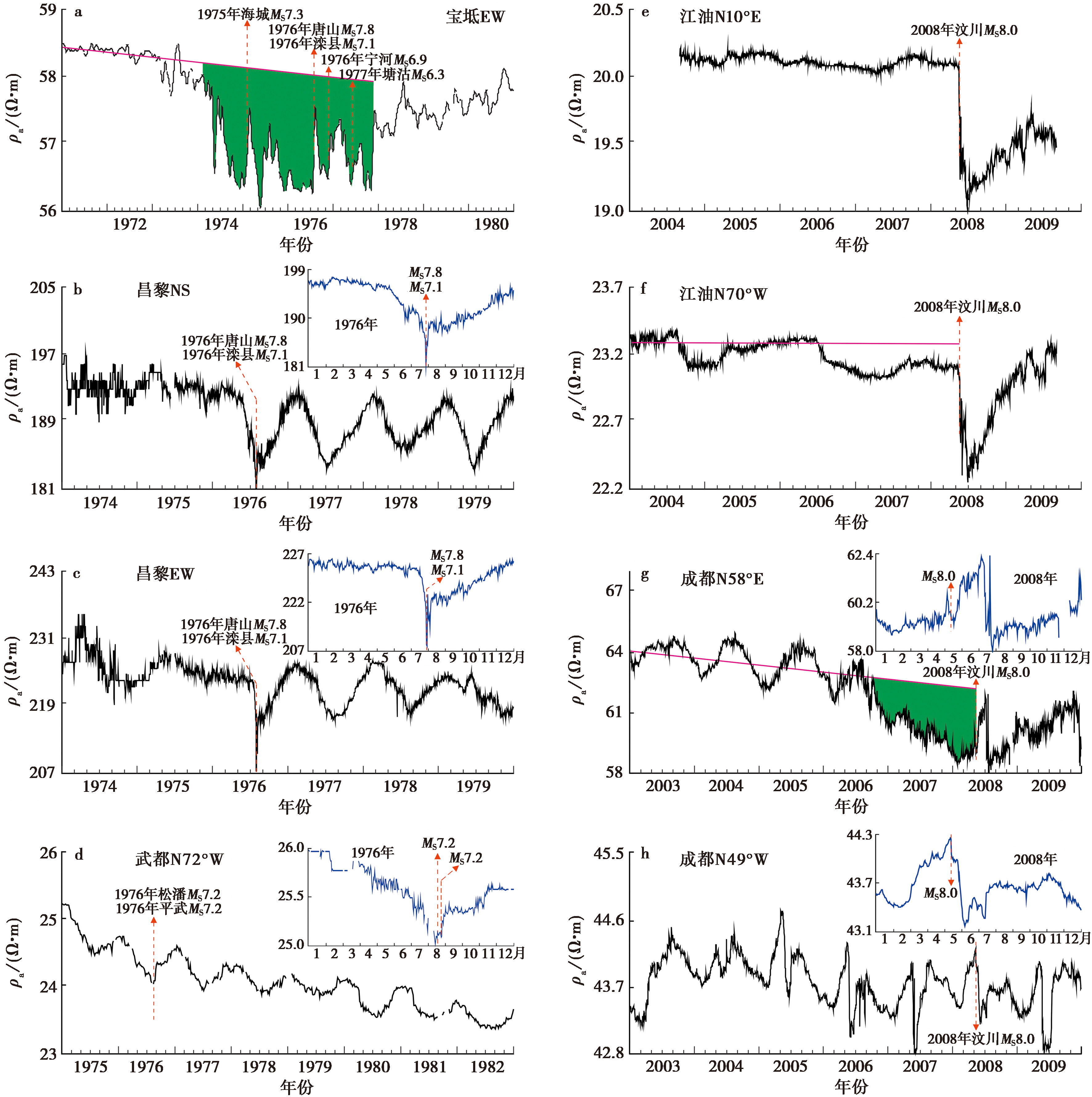
Fig. 2 The short term apparent resistivity changes after the 1976 Tangshan MS7.8, Songpan-Pingwu MS7.2, and 2008 Wenchuan MS8.0 earthquake.
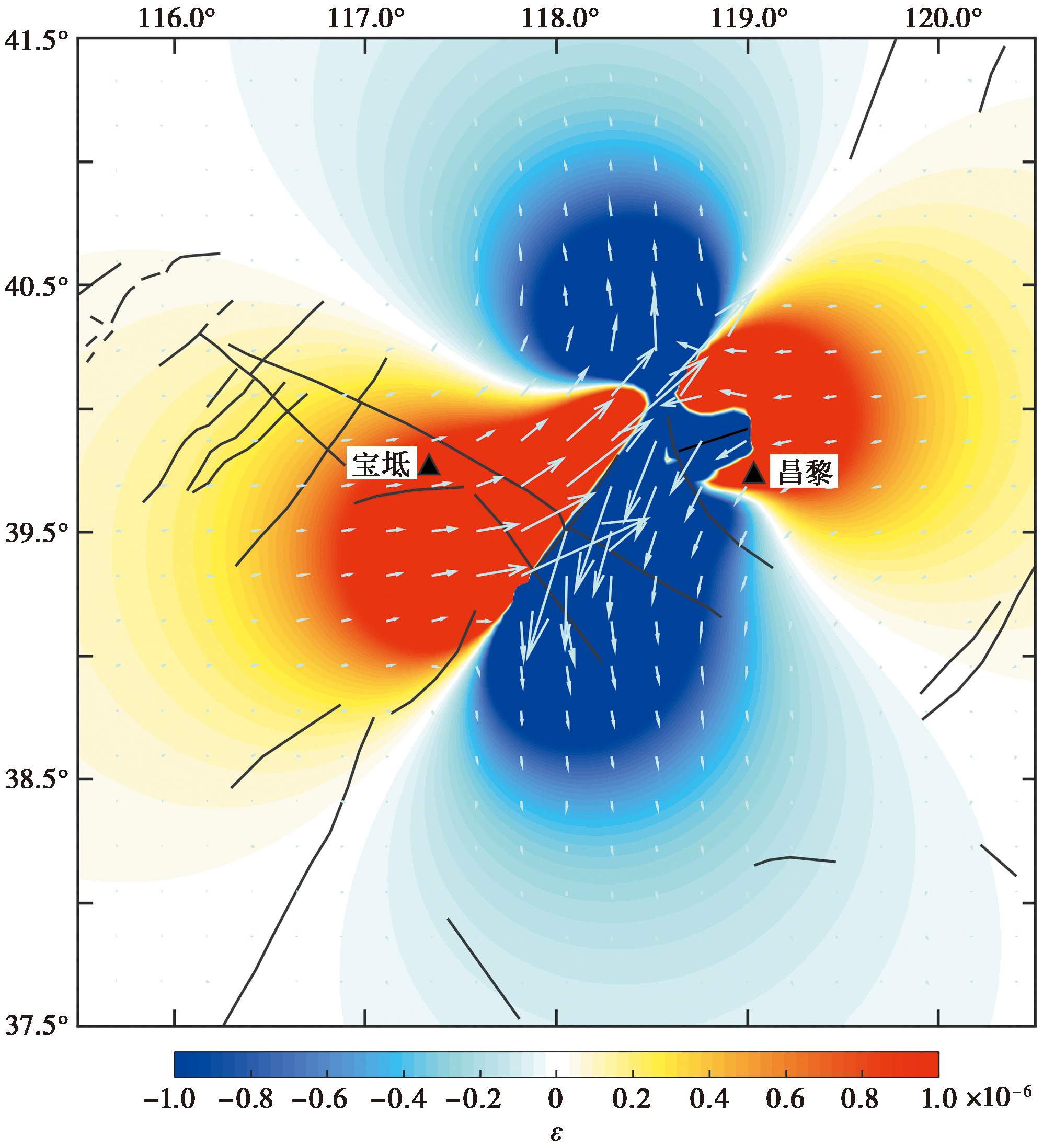
Fig. 3 Coseismic deformation caused by the 1976 Tangshan MS7.8 earthquake.
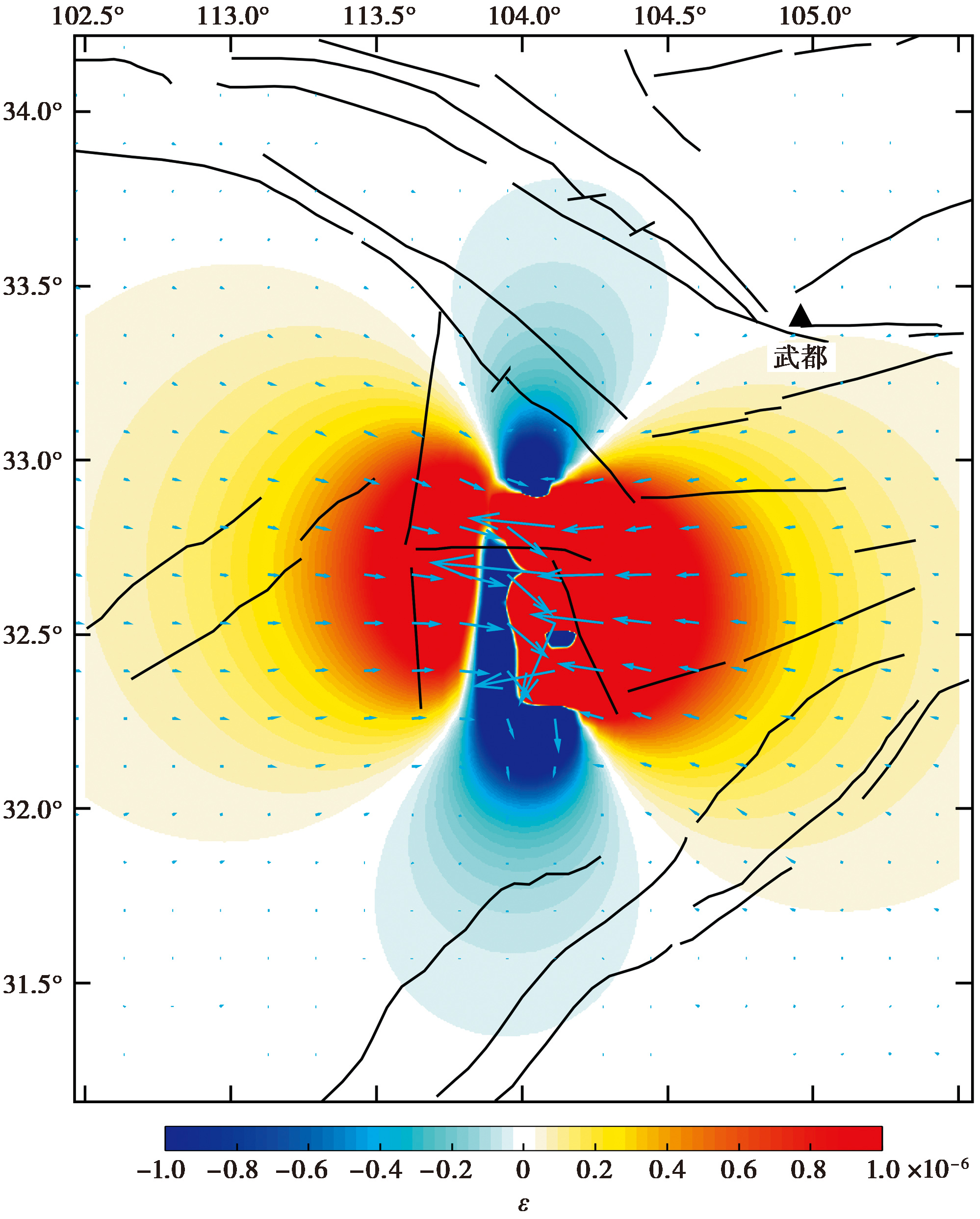
Fig. 4 Coseismic deformation caused by the 1976 Songpan-Pingwu MS7.2 earthquake.
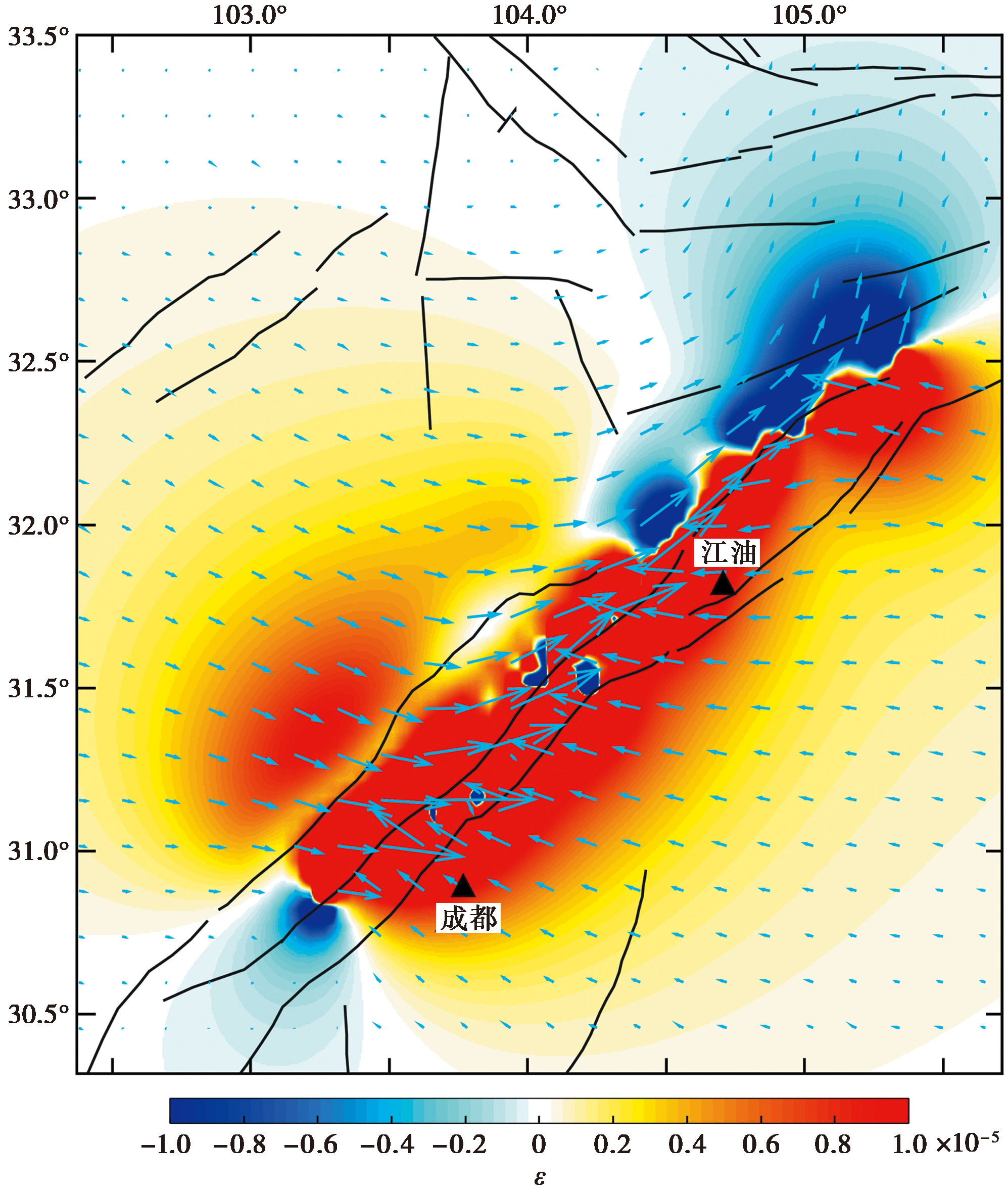
Fig. 5 Coseismic deformation caused by the 2008 Wenchuan MS8.0 earthquake.
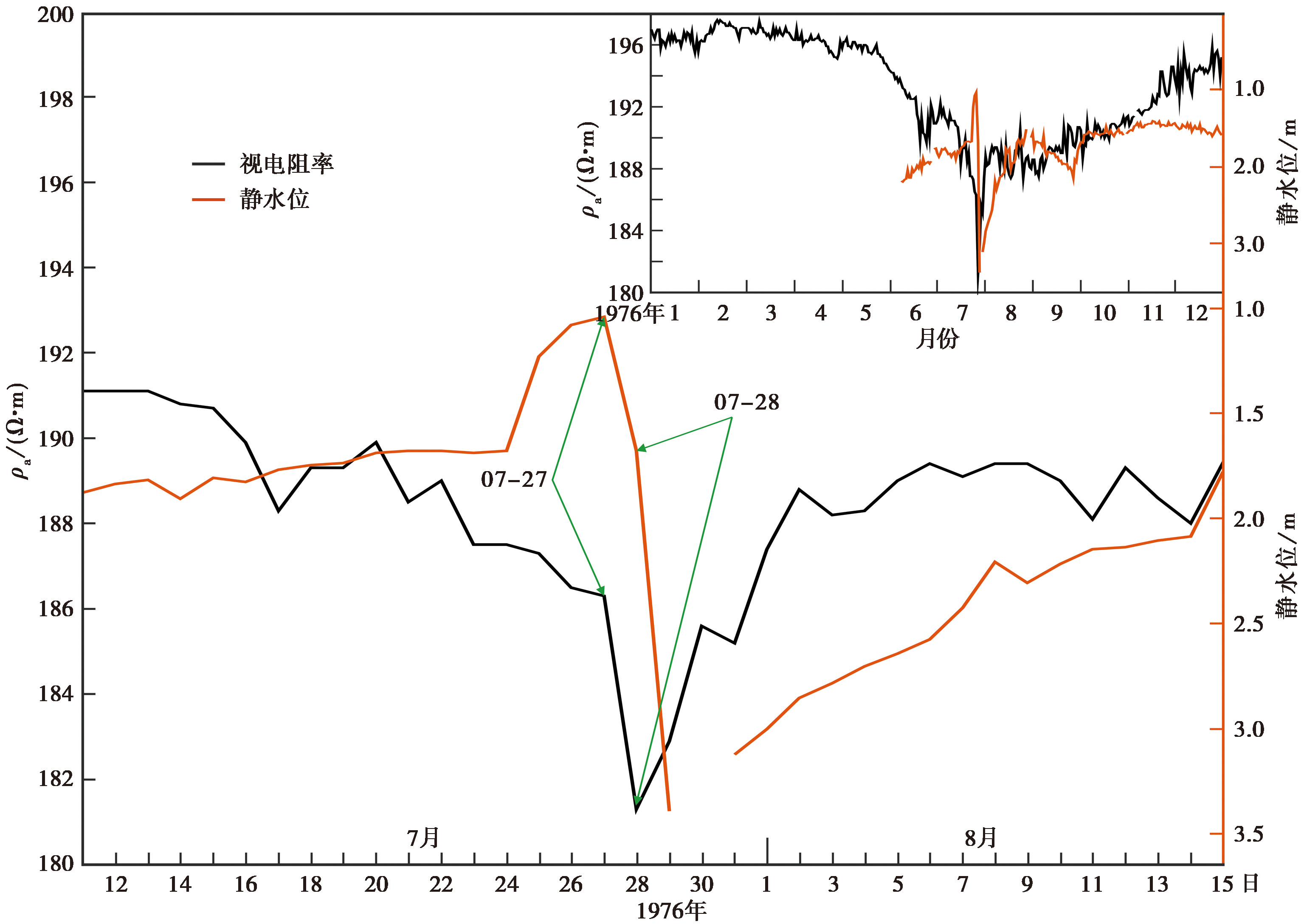
Fig. 6 The water level observation data at Changli station.
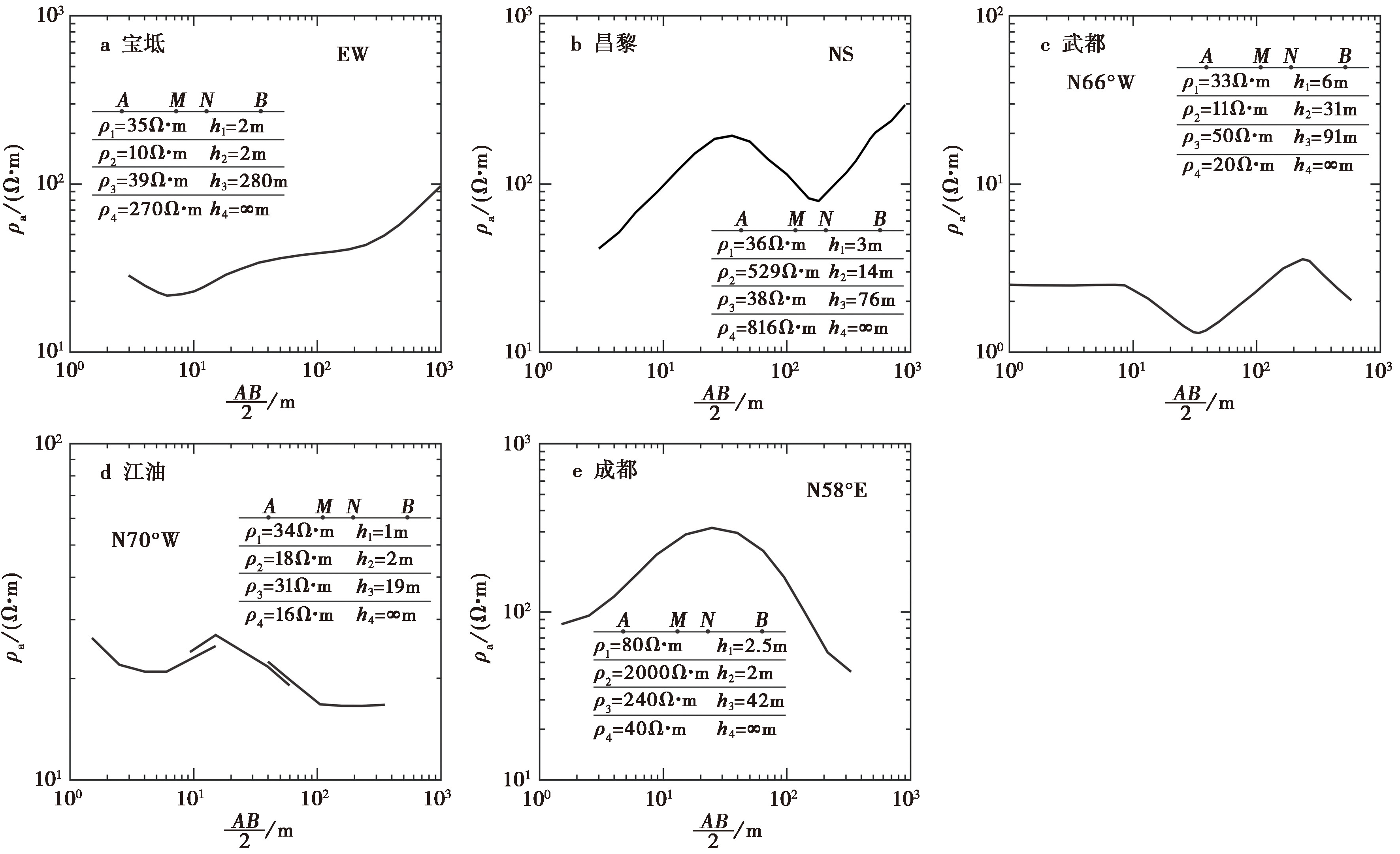
Fig. 7 The electrical sounding observation data from the five apparent resistivity stations.
| 序号 | 观测站 | 测道 | AB/m | MN/m | H/m |
|---|---|---|---|---|---|
| 1 | 宝坻 | NS | 1000 | 200 | 2 |
| EW | 1000 | 200 | 2 | ||
| 2 | 昌黎 | NS | 990 | 217 | 1.8 |
| EW | 1000 | 200 | 1.8 | ||
| 3 | 武都 | N72°W | 924 | 308 | 2 |
| 4 | 成都 | N58°E | 736 | 226 | 2.5 |
| N49°W | 846 | 270 | 2.5 | ||
| 5 | 江油 | N10°E | 710 | 90 | 2 |
| N70°W | 660 | 90 | 2 |
Table 3 The monitoring arrays of apparent resistivity measurement
| 序号 | 观测站 | 测道 | AB/m | MN/m | H/m |
|---|---|---|---|---|---|
| 1 | 宝坻 | NS | 1000 | 200 | 2 |
| EW | 1000 | 200 | 2 | ||
| 2 | 昌黎 | NS | 990 | 217 | 1.8 |
| EW | 1000 | 200 | 1.8 | ||
| 3 | 武都 | N72°W | 924 | 308 | 2 |
| 4 | 成都 | N58°E | 736 | 226 | 2.5 |
| N49°W | 846 | 270 | 2.5 | ||
| 5 | 江油 | N10°E | 710 | 90 | 2 |
| N70°W | 660 | 90 | 2 |
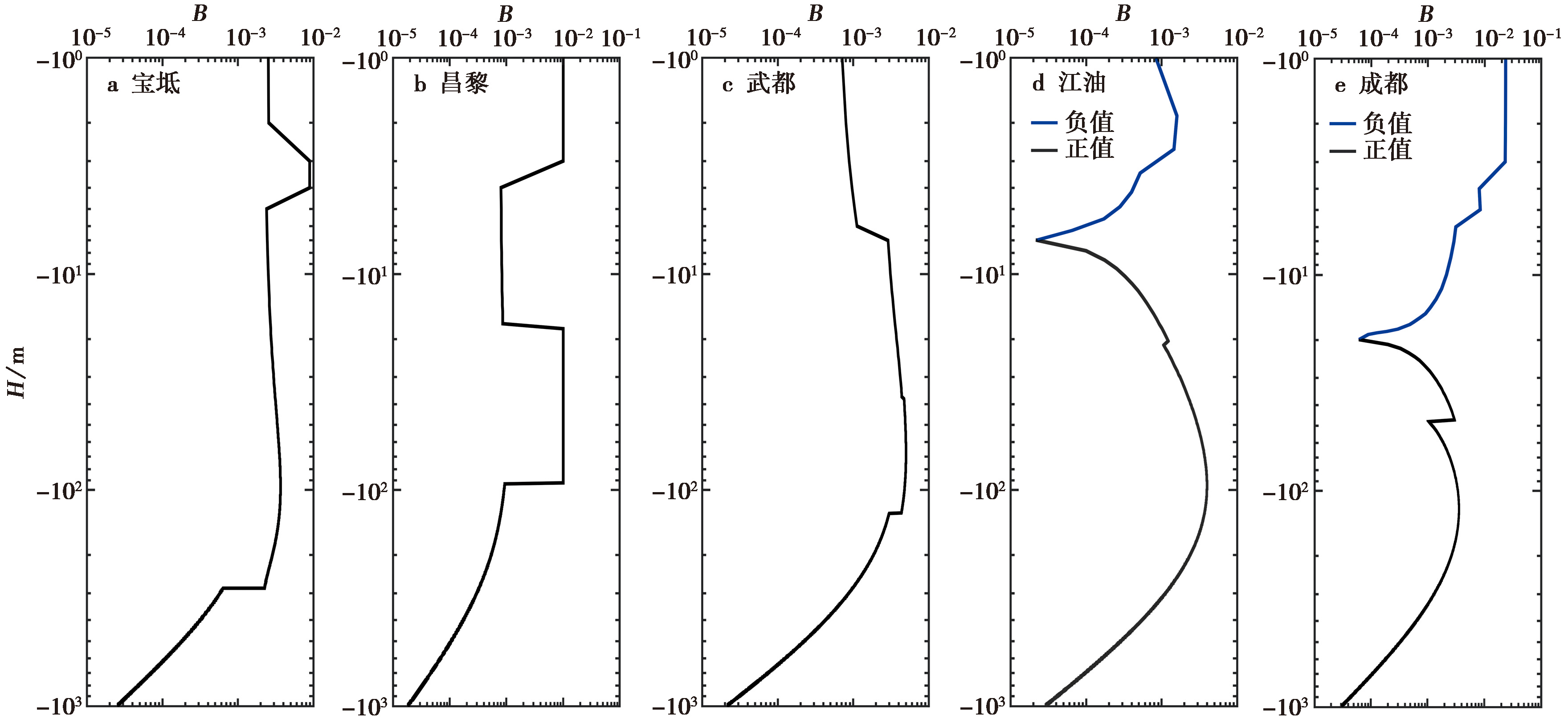
Fig. 8 Sensitivity coefficient versus depth of the five apparent resistivity stations.
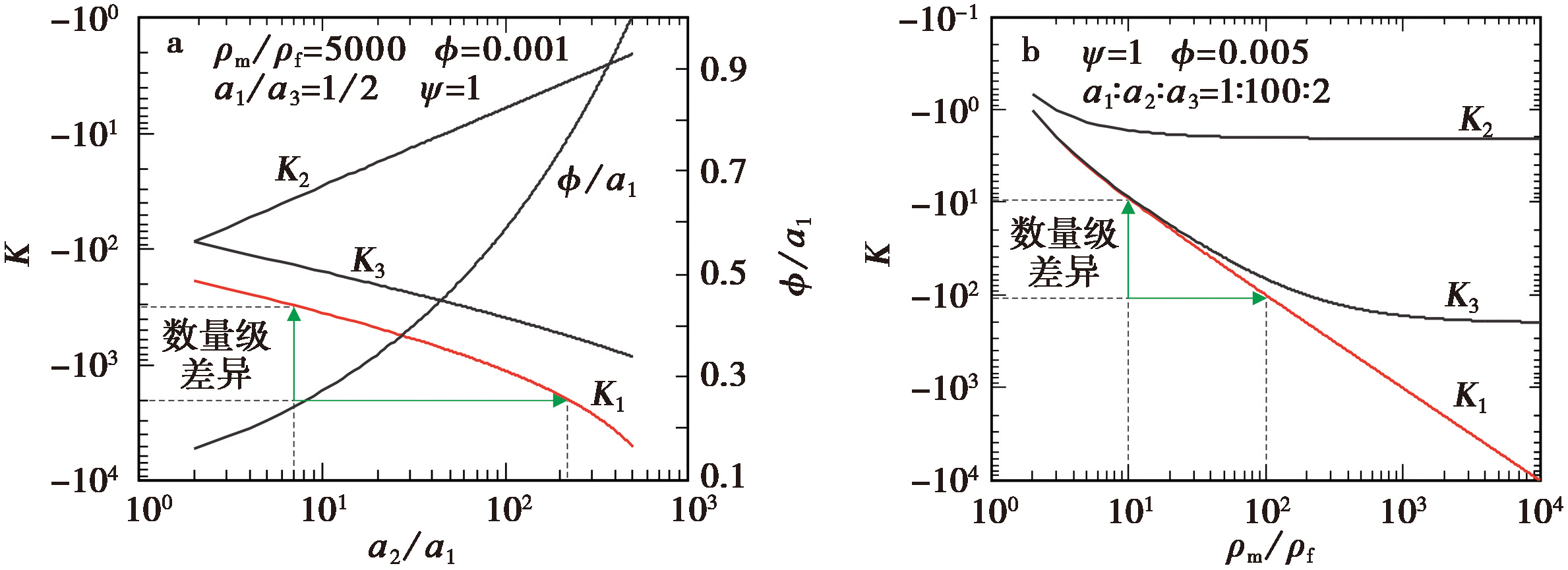
Fig. 9 The amplification coefficients of rock and soil resistivity on fracture change.
| [1] |
杜学彬. 2010. 在地震预报中的2类视电阻率变化[J]. 中国科学(D辑), 40(10): 1321—1330.
|
|
|
|
| [2] |
杜学彬, 李宁, 叶青, 等. 2007. 强地震附近视电阻率各向异性变化的原因[J]. 地球物理学报, 50(6): 1802—1810.
|
|
|
|
| [3] |
杜学彬, 叶青, 马占虎, 等. 2008. 强地震附近电阻率对称四极观测的探测深度[J]. 地球物理学报, 51(6): 1943—1949.
|
|
|
|
| [4] |
甘肃省地震局. 2005. 甘肃省地震监测志[M]. 兰州: 兰州大学出版社.
|
|
Gansu Earthquake Agency. 2005. Earthquake Monitoring Records of Gansu Province[M]. Lanzhou University Press, Lanzhou (in Chinese).
|
|
| [5] |
国家地震局预测预防司. 1998. 电磁学分析预报方法[M]. 北京: 地震出版社.
|
|
Prediction and Prevention Department of the State Seismological Bureau. 1998. Electromagnetic Analysis and Prediction Methods[M]. Seismological Press, Beijing (in Chinese).
|
|
| [6] |
河北省地震局. 2005. 河北省地震监测志[M]. 北京: 地震出版社.
|
|
Hebei Earthquake Agency. 2005. Earthquake Monitoring Records of Hebei Province[M]. Seismological Press, Beijing (in Chinese).
|
|
| [7] |
李新艳, 解滔, 刘小鹏, 等. 2024. 2023年12月18日甘肃积石山 MS6.2 地震前地电阻率异常特征及机理分析[J]. 地球物理学报, 67(10): 3721—3734.
|
|
|
|
| [8] |
马玉川, 晏锐, 王广才, 等. 2022. 1976年唐山7.8级地震前地下水位变化与地震成核过程的关系[J]. 地球物理学报, 65(4): 1325—1335.
|
|
|
|
| [9] |
毛先进, 段炜, 杨玲英, 等. 2021. 分层均匀结构地电阻率影响系数一个重要特性普适性的证明[J]. 地震研究, 44(1): 129—132.
|
|
|
|
| [10] |
钱复业, 赵玉林, 黄燕妮. 1996. 地电阻率各向异性参量计算法及地震前兆实例[J]. 地震学报, 18(4): 480—488.
|
|
|
|
| [11] |
钱复业, 赵玉林, 于谋明, 等. 1982. 地震前地电阻率异常变化[J]. 中国科学(B辑), 12(9): 831—839.
|
|
|
|
| [12] |
钱家栋, 陈有发, 金安忠. 1985. 地电阻率法在地震预报中的应用[M]. 北京: 地震出版社.
|
|
|
|
| [13] |
四川省地震局. 2004. 四川省地震监测志[M]. 成都: 成都地图出版社.
|
|
Sichuan Earthquake Agency. 2004. Earthquake Monitoring Records of Sichuan Province[M]. Chengdu Map Press, Chengdu (in Chinese).
|
|
| [14] |
汪志亮, 郑大林, 余素荣. 2002. 地震地电阻率前兆异常现象[M]. 北京: 地震出版社.
|
|
|
|
| [15] |
武艳强, 江在森, 朱爽, 等. 2020. 中国大陆西部GNSS变形特征及其与M≥7.0强震孕育的关系[J]. 中国地震, 36(4): 756—766.
|
|
|
|
| [16] |
吴忠良, 蒋长胜, 彭汉书, 等. 2009. 与地震预测预报有关的几个物理问题[J]. 物理, 38(4): 233—237.
|
|
|
|
| [17] |
解滔, 卢军. 2020. 含裂隙介质中的视电阻率各向异性变化[J]. 地球物理学报, 63(4): 1675—1694.
|
|
|
|
| [18] |
解滔, 卢军, 杜学彬. 2022a. 自适应变化幅度方法提取直流视电阻率中短期异常[J]. 中国地震, 38(1): 52—60.
|
|
|
|
| [19] |
解滔, 薛艳, 卢军. 2022b. 中国MS≥7.0地震前视电阻率变化及其可能原因[J]. 地球物理学报, 65(8): 3064—3077.
|
|
|
|
| [20] |
张金铸, 陆阳泉. 1983. 不同三轴应力条件下岩石电阻率变化的试验研究[J]. 地震学报, 5(4): 440—445.
|
|
|
|
| [21] |
张勇, 许力生, 陈运泰. 2009. 2008年汶川大地震震源机制解的时空变化[J]. 地球物理学报, 52(2): 379—389.
|
|
|
|
| [22] |
张肇诚, 罗兰格, 李海华, 等. 1990. 中国震例1976-1980[M]. 北京: 地震出版社.
|
|
|
|
| [23] |
赵保钧. 2006. 地电观测探测深度及布极方向与“映震”效能的研究[J]. 山西地震, 34(1): 41—46.
|
|
|
|
| [24] |
赵和云, 钱家栋. 1982. 地电阻率法中勘探深度和探测范围的理论讨论和计算[J]. 西北地震学报, 4(1): 40—56.
|
|
|
|
| [25] |
赵玉林, 卢军, 李正南, 等. 1996. 唐山地震应变-电阻率前兆及虚错动模式[J]. 地震学报, 18(1): 78—82.
|
|
|
|
| [26] |
赵玉林, 钱复业. 1978. 唐山7.8级强震前震中周围形变电阻率的下降异常[J]. 地球物理学报, 21(3): 181—190.
|
|
|
|
| [27] |
赵玉林, 钱复业, 杨体成, 等. 1983. 原地电阻率变化的实验[J]. 地震学报, 5(2): 217—225.
|
|
|
|
| [28] |
中国地震局监测预报司. 2010. 地震电磁学理论基础与观测技术[M]. 北京: 地震出版社.
|
|
Department of Earthquake Monitoring and Prediction of China Earthquake Administration. 2010. Basical Theory and Monitoring Techniques of Seismic Electromagnetics[M]. Seismological Press, Beijing (in Chinese).
|
|
| [29] |
|
| [30] |
|
| [31] |
|
| [32] |
|
| [33] |
|
| [34] |
|
| [35] |
|
| [36] |
|
| [37] |
|
| [38] |
DOI URL |
| [39] |
|
| [40] |
|
| [41] |
|
| [42] |
|
| [43] |
|
| [44] |
|
| [45] |
|
| [46] |
|
| [47] |
|
| [48] |
|
| [49] |
|
| [50] |
|
| [51] |
|
| [52] |
|
| [53] |
|
| [54] |
|
| [55] |
|
| [56] |
|
| [57] |
|
| [1] | CHANG Yu-qiao, ZHANG Hui-ping, ZHAO Xu-dong. RESEARCH ADVANCES OF THE LATE QUATERNARY ACTIVITY OF XIAOJIANG FAULT ZONE IN THE SOUTHEASTERN MARGIN OF QINGHAI-XIZANG PLATEAU [J]. SEISMOLOGY AND GEOLOGY, 2026, 48(2): 279-313. |
| [2] | HAO Hong-tao, CHANG Lu-ji, DING Zhen-sen, WU Gui-ju, WEI Jin, HU Min-zhang. EXTRACTION METHOD OF GRAVITY ANOMALY CHARAC-TERISTICS AND ITS APPLICATION IN PREDICTION OF LOCATION OF THE JISHISHAN MS6.2 EARTHQUAKE [J]. SEISMOLOGY AND GEOLOGY, 2025, 47(6): 1606-1624. |
| [3] | LI Xin-yan, ZENG Xian-wei, LI Meng-ya, WEI Ding-jun, CUI Jin. APPARENT RESITIVITY VARIATION AT KEPING SEISMIC STATION BEFORE THE MODERATE EARTHQUAKES IN SOUTH TIANSHAN AREA, XINJIANG [J]. SEISMOLOGY AND GEOLOGY, 2025, 47(5): 1438-1455. |
| [4] | ZHANG Li-qiong, LI Na, GAO Shu-de, JIANG Jia-jia. APPARENT RESITIVITY VARIATION OBSERVED FROM EARTH RESITIVITY STATIONS BEFORE THE JISHISHAN MS6.2 EARTHQUAKE IN 2023 [J]. SEISMOLOGY AND GEOLOGY, 2025, 47(4): 1244-1261. |
| [5] | XIE Tao, HAN Ying, YU Chen. APPARENT RESISTIVITY ABNORMAL CHANGES OF BOREHOLE MONITORING BEFORE FOUR MS≥6.0 EARTHQUAKES IN SICHUAN-YUNNAN AREA FROM 2021 TO 2022 [J]. SEISMOLOGY AND GEOLOGY, 2023, 45(6): 1370-1384. |
| [6] | XU Zhi-ping, LIU Qiao-xia, LIU Zhi, TIAN Xiao-feng, WANG Fu-yun, DUAN Yong-hong, LIN Ji-yan, QIU Yong, TANG Lin. DISTRIBUTION CHARACTERISTICS AND DYNAMIC SIGNIFICANCE OF UPPER CRUST VELOCITY AND POISSON’S RATIO IN LUSHAN STRONG EARTHQUAKE AREA [J]. SEISMOLOGY AND GEOLOGY, 2023, 45(6): 1400-1418. |
| [7] | LI Ji-ye, YAN Rui, ZHANG Si-meng, HU Lan-bin, MENG Ling-lei, ZHOU Chen. THE RELATIONSHIP BETWEEN TIDAL RESPONSE OF WELL WATER LEVEL AND MODULATION OF SMALL EARTHQUAKES [J]. SEISMOLOGY AND GEOLOGY, 2023, 45(3): 668-688. |
| [8] | WANG Ming-liang, ZHANG Yang, XU Shun-qiang, XU Zhi-ping. DEEP STRUCTURE IN THE MIDDLE AND SOUTH AREA OF NORTH CHINA DEPRESSION AND THE VICINITY BY MAGNETOTELLURICS [J]. SEISMOLOGY AND GEOLOGY, 2023, 45(2): 536-552. |
| [9] | ZHAO Ling-qiang, HU Ya-xuan, WANG Qing-liang, ZHU Yi-qing, CAO Cong, LI Zhong-wei, QI Wei, WEN Yu-long. THE CHARACTERISTICS OF DEEP ELECTRICAL STRUCTURE IN LONGGANG VOLCANIC AREA, JILIN PROVINCE [J]. SEISMOLOGY AND GEOLOGY, 2022, 44(4): 845-858. |
| [10] | XU Wei, LIU Zhi-cheng, WANG Ji, GAO Zhan-wu, YIN Jin-hui. PRELIMINARY STUDY ON FAULTED LANDFORMS AND AGES OF RECENT STRONG EARTHQUAKE ACTIVITY ON THE KARAKORUM FAULT IN NGARI, TIBET [J]. SEISMOLOGY AND GEOLOGY, 2022, 44(4): 925-943. |
| [11] | XIE Tao, YU Chen, WANG Ya-li, LI Mei, WANG Zhong-ping, YAO Li, LU Jun. APPARENT RESITIVITY VARIATION OF TONGWEI SEISMIC STATION BEFORE THE MINXIAN-ZHANGXIAN MS6.6 EARTHQUAKE IN 2013 [J]. SEISMOLOGY AND GEOLOGY, 2022, 44(3): 701-717. |
| [12] | XIE Tao, LU Jun. THE EFFECTS OF LATERAL INHOMOGENEITY ON ANISOTROPIC CHANGES OF APPARENT RESISTIVITY AND THE DEPTH OF RESISTIVITY CHANGES BEFORE EARTHQUAKES [J]. SEISMOLOGY AND GEOLOGY, 2020, 42(5): 1172-1187. |
| [13] | SUN Xiang-yu, ZHAN Yan, ZHAO Guo-ze, ZHAO Ling-qiang, DENG Yan, HU Ya-xuan, HU Jiu-chang, XIANG Xiao-juan. MAGNETOTELLURIC IMAGING OF MAGMA DISTRIBUTION BENEATH MA'ANLING AND LEIHULING VOLCANOES OF NORTHEASTERN HAINAN, CHINA [J]. SEISMOLOGY AND GEOLOGY, 2020, 42(3): 640-653. |
| [14] | ZHENG Wen-jun, WANG Qing-liang, YUAN Dao-yang, ZHANG Dong-li, ZHANG Zhu-qi, ZHANG Yi-peng. THE CONCEPT, REVIEW AND NEW INSIGHTS OF THE ACTIVE-TECTONIC BLOCK HYPOTHESIS [J]. SEISMOLOGY AND GEOLOGY, 2020, 42(2): 245-270. |
| [15] | LAN Jian, CHEN Xiao-li. EVOLUTION CHARACTERISTICS OF LANDSLIDES TRIGGERED BY 2008 MS8.0 WENCHUAN EARTHQUAKE IN YINGXIU AREA [J]. SEISMOLOGY AND GEOLOGY, 2020, 42(1): 125-146. |
| Viewed | ||||||
|
Full text |
|
|||||
|
Abstract |
|
|||||
Copyright © SEISMOLOGY AND GEOLOGY, All Rights Reserved.
Tel: 010-62009049/9063 E-mail: dzdz@ies.ac.cn
Powered by Beijing Magtech Co., Ltd.