
SEISMOLOGY AND GEOLOGY ›› 2026, Vol. 48 ›› Issue (4): 941-958.DOI: 10.3969/j.issn.0253-4967.20250150
• Research paper • Previous Articles Next Articles
THE DEVELOPMENT AND STABILITY EVALUATION OF LOCAL N-S TRENDING STRIKE-SLIP FAULTS IN SOUTHERN SICHUAN BASIN
WANG Xi-you1,2,3)( ), YAN Yi-xi1,2),*(), NIU Wei-tao3), YI Xin-zheng4), LI Lin3), TIAN He-feng3), HE Ye3), LIANG Shu-jun3), YUAN Yuan3)
- 1)
School of Earth Sciences ,Zhejiang University
2)Structural Research Centre of Oil and Gas Bearing Basin of Ministry of Education
3)PetroChina Zhejiang Oilfield Company
4)College of Civil Engineering and Architecture ,Zhejiang University
-
Received:2025-09-14Revised:2025-11-04Online:2026-08-20Published:2026-09-09
四川盆地南部某区块SN向走滑断层发育特征及其稳定性评价
王希友1,2,3)(), 严一熙1,2),*(), 牛卫涛3), 易昕政4), 李林3), 田禾丰3), 何叶3), 梁姝君3), 袁渊3)
- 1)
浙江大学 ,地球科学学院
2)教育部含油气盆地构造研究中心
3)中国石油浙江油田公司
4)浙江大学 ,建筑工程学院
-
通讯作者:* 严一熙, 男, 2001年生, 现为浙江大学构造地质学专业在读博士研究生, 主要从事活动构造和地震地质研究, E-mail: yixi_yan@zju.edu.cn。 -
作者简介:王希友, 男, 1974年生, 2018年于西南石油大学获石油与天然气工程硕士学位, 现为浙江大学资源与环境专业在读博士研究生, 研究方向为水力压裂诱发地震, E-mail: wangxy85@petroChina.com.cn。
-
基金资助:国家新型油气重大科技专项(2025ZD1400501)

Cite this article
WANG Xi-you, YAN Yi-xi, NIU Wei-tao, YI Xin-zheng, LI Lin, TIAN He-feng, HE Ye, LIANG Shu-jun, YUAN Yuan. THE DEVELOPMENT AND STABILITY EVALUATION OF LOCAL N-S TRENDING STRIKE-SLIP FAULTS IN SOUTHERN SICHUAN BASIN[J]. SEISMOLOGY AND GEOLOGY, 2026, 48(4): 941-958.
王希友, 严一熙, 牛卫涛, 易昕政, 李林, 田禾丰, 何叶, 梁姝君, 袁渊. 四川盆地南部某区块SN向走滑断层发育特征及其稳定性评价[J]. 地震地质, 2026, 48(4): 941-958.
share this article
Add to citation manager EndNote|Ris|BibTeX
URL: https://www.dzdz.ac.cn/EN/10.3969/j.issn.0253-4967.20250150
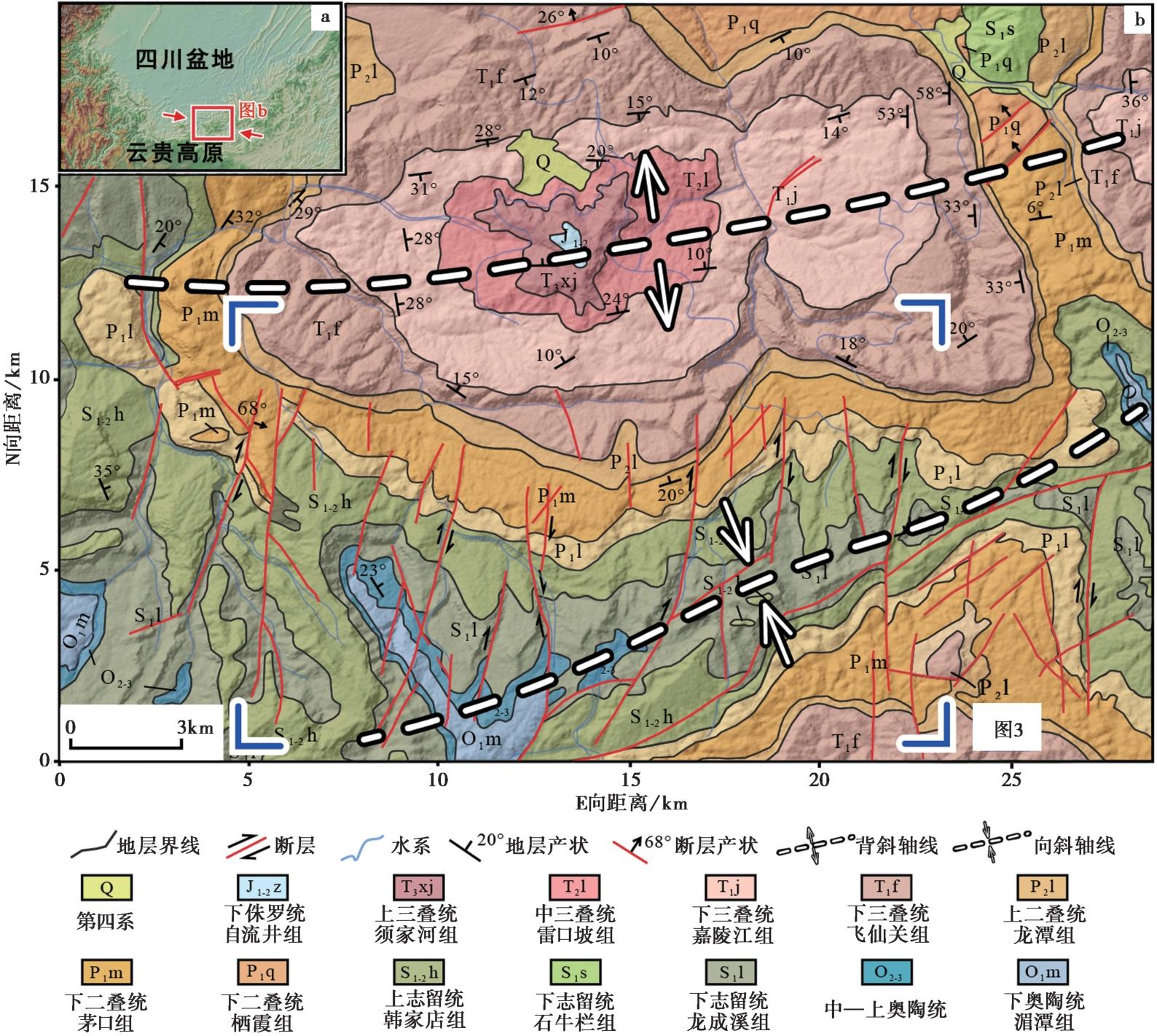
Fig. 1 The geologic and tectonic setting of the study area.
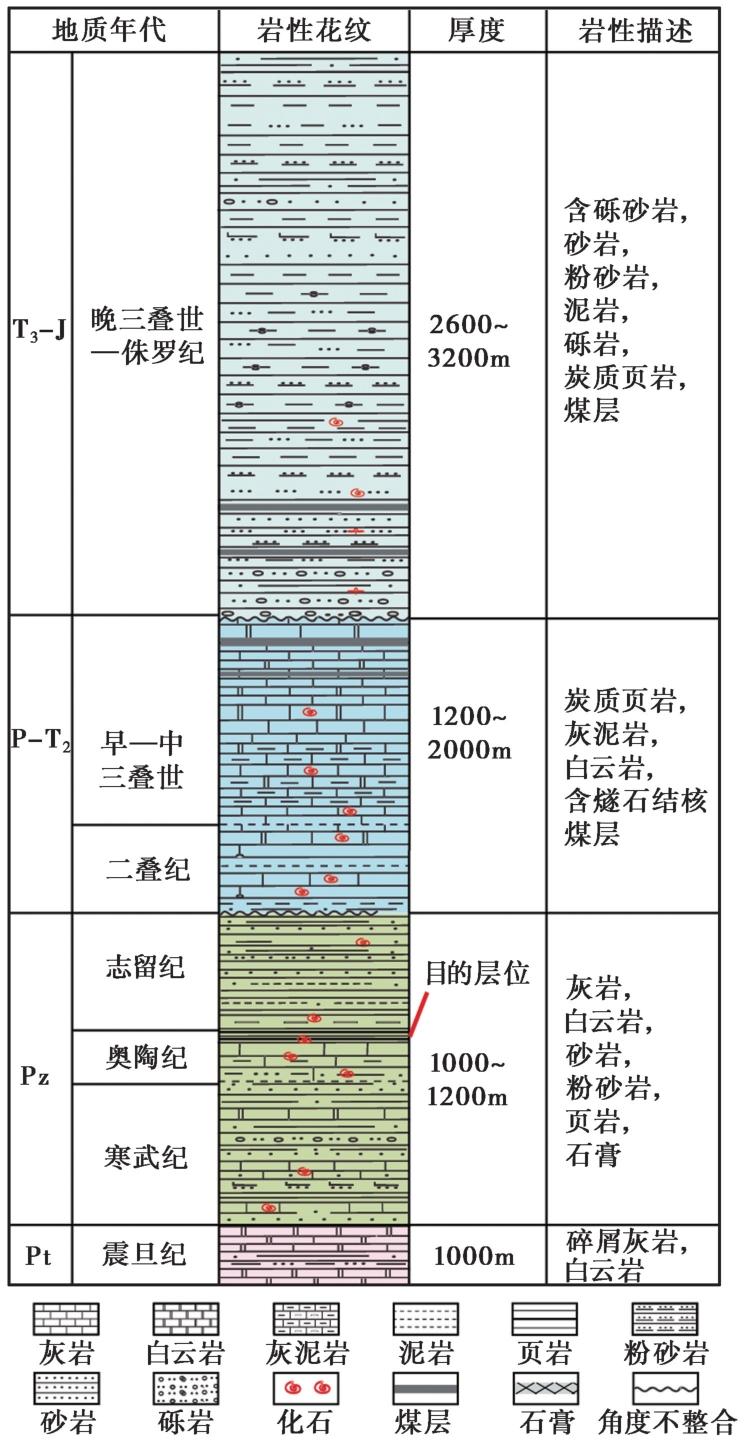
Fig. 2 Stratigraphic units and simplified lithological column of the study area(modified from Sichuan Bureau of Geology and Mineral Resources(1991)).
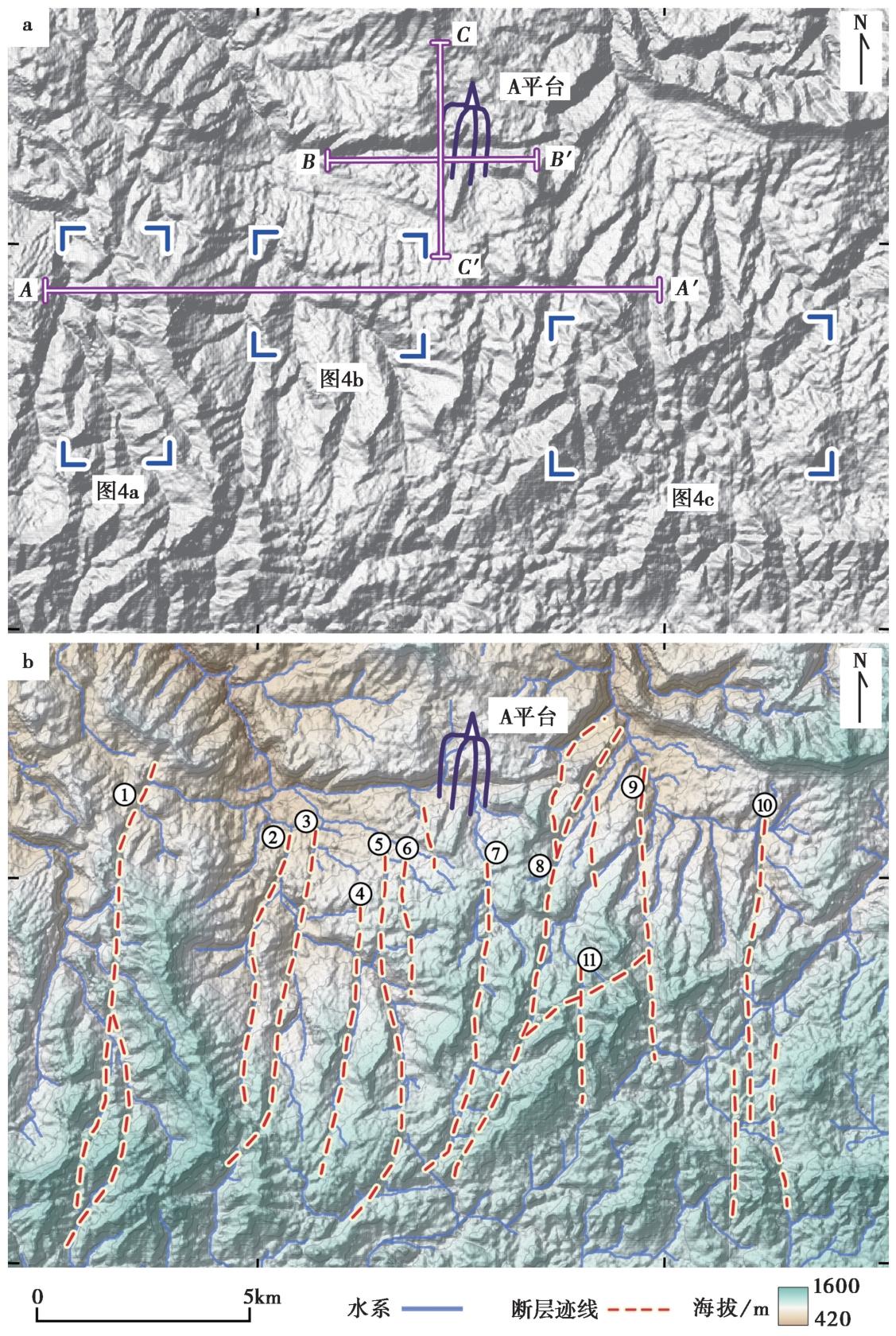
Fig. 3 Surface geomorphology and interpretation of fault traces in the study area.
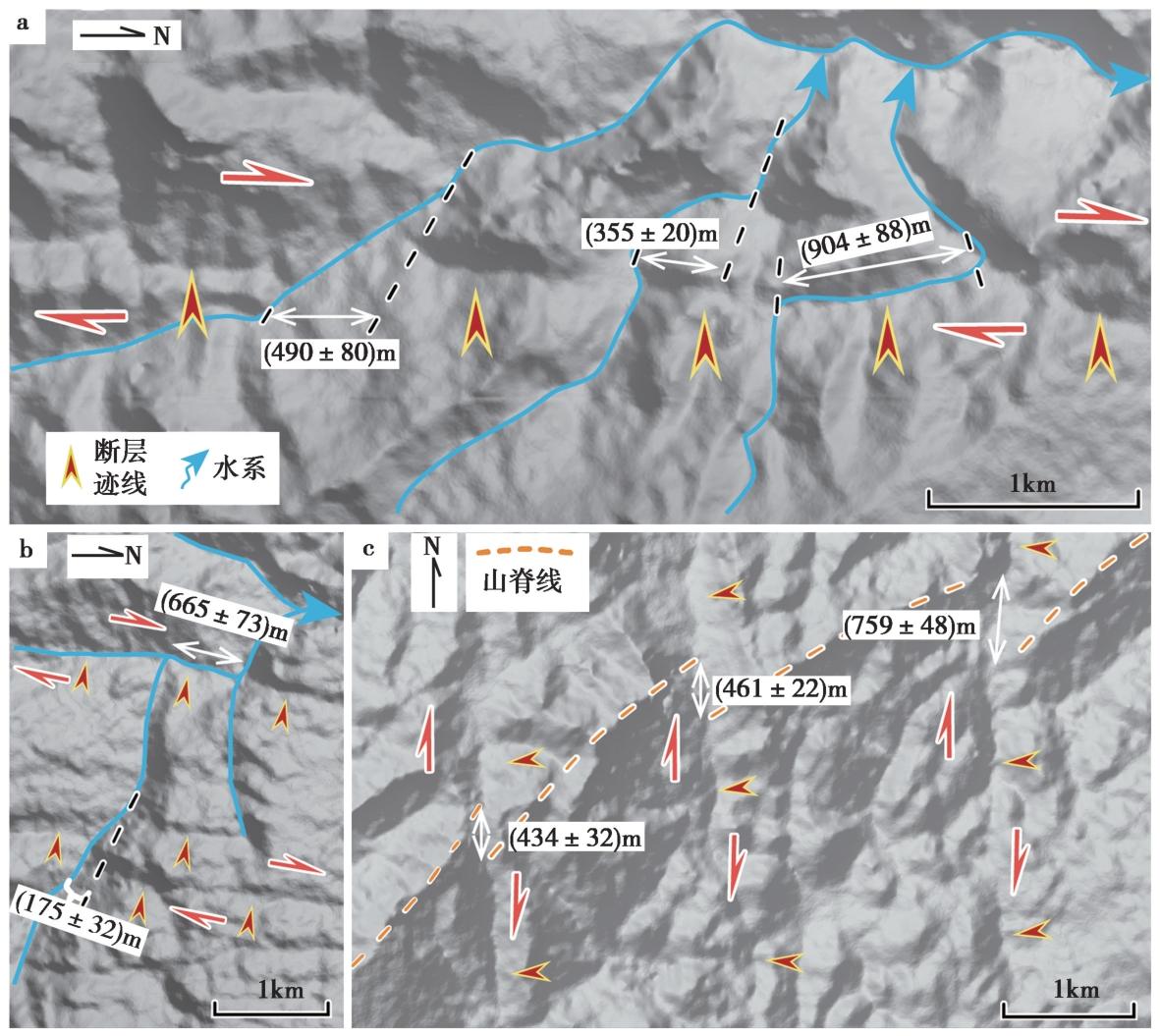
Fig. 4 Fault traces and offset geomorphic markers of the N-S trending, dextral-slip fault system (see specific locations in Fig.3a).
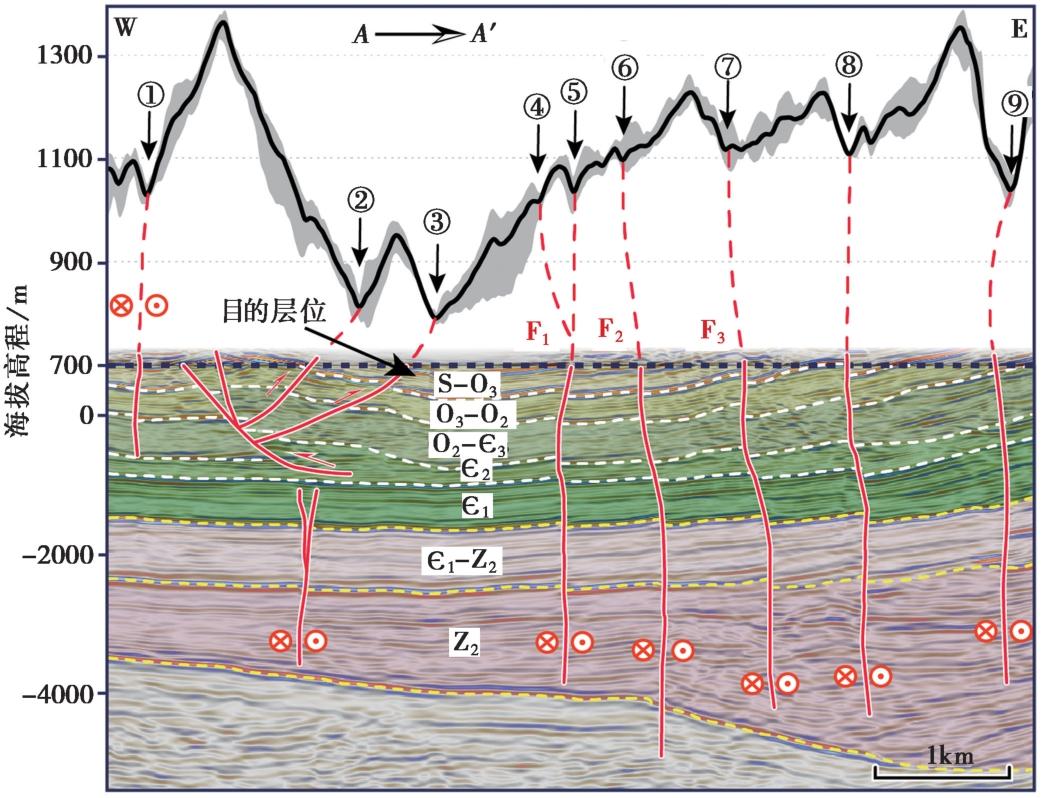
Fig. 5 Interpreted seismic reflection and topographic sections AA' across the N-S trending strike-slip faults (see location in Fig.3a).
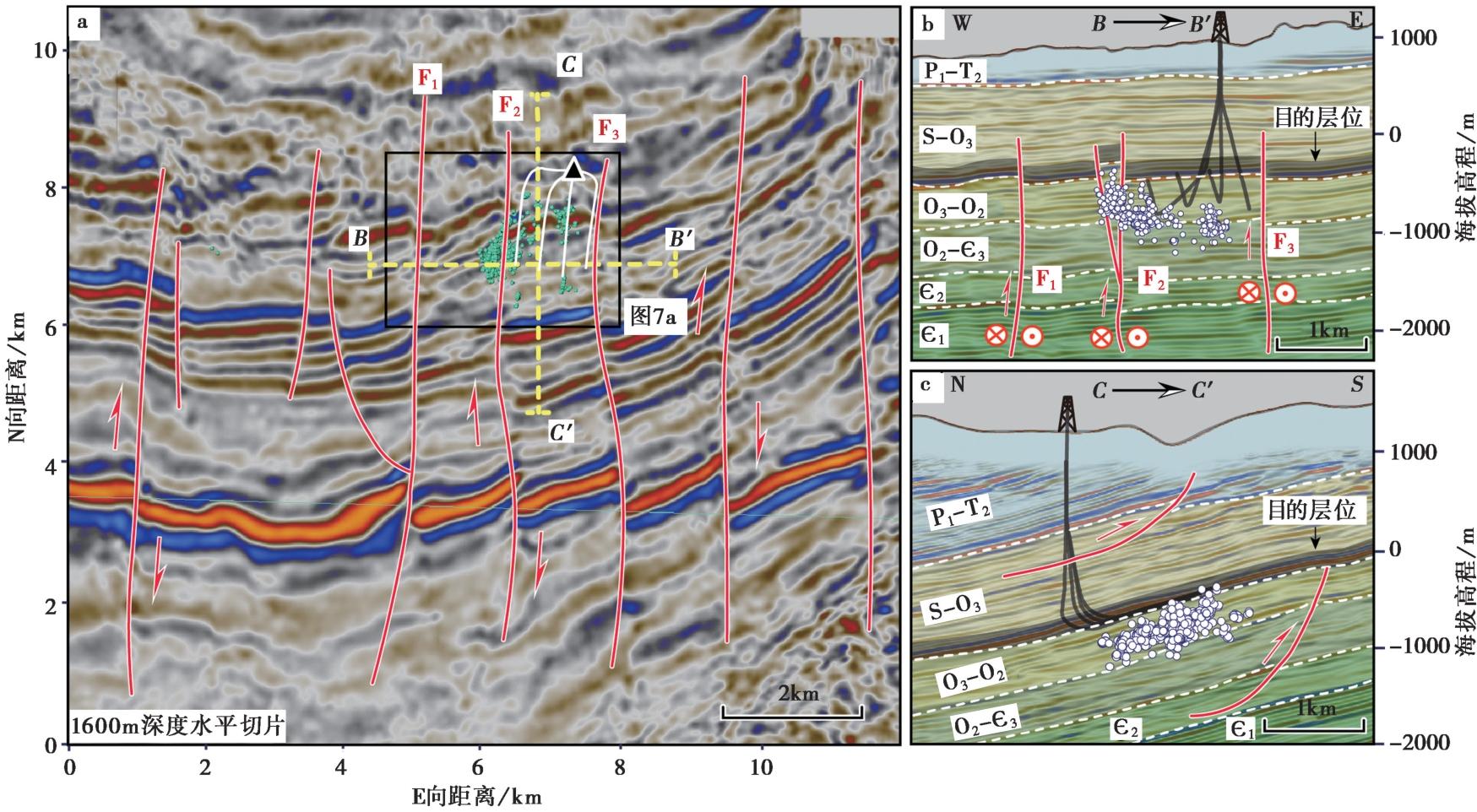
Fig. 6 Regional interpreted seismic reflection sections.
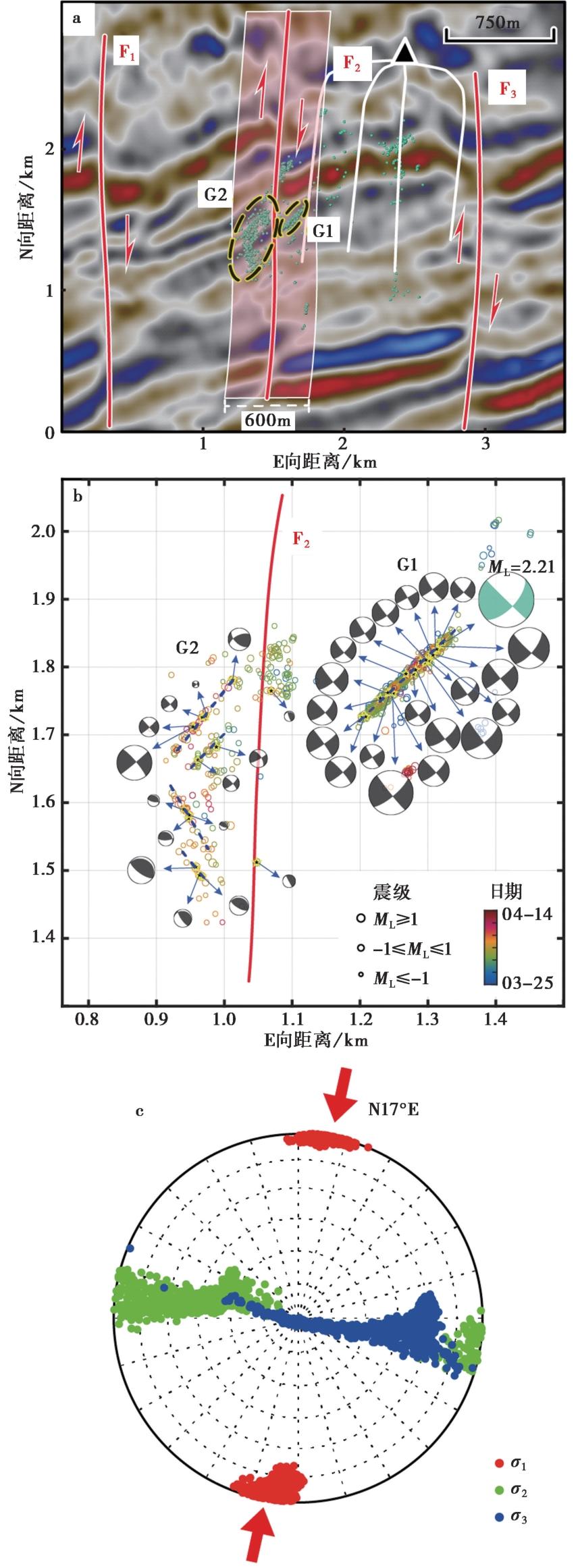
Fig. 7 Spatial distribution and focal mechanism analysis of the microseismicity.
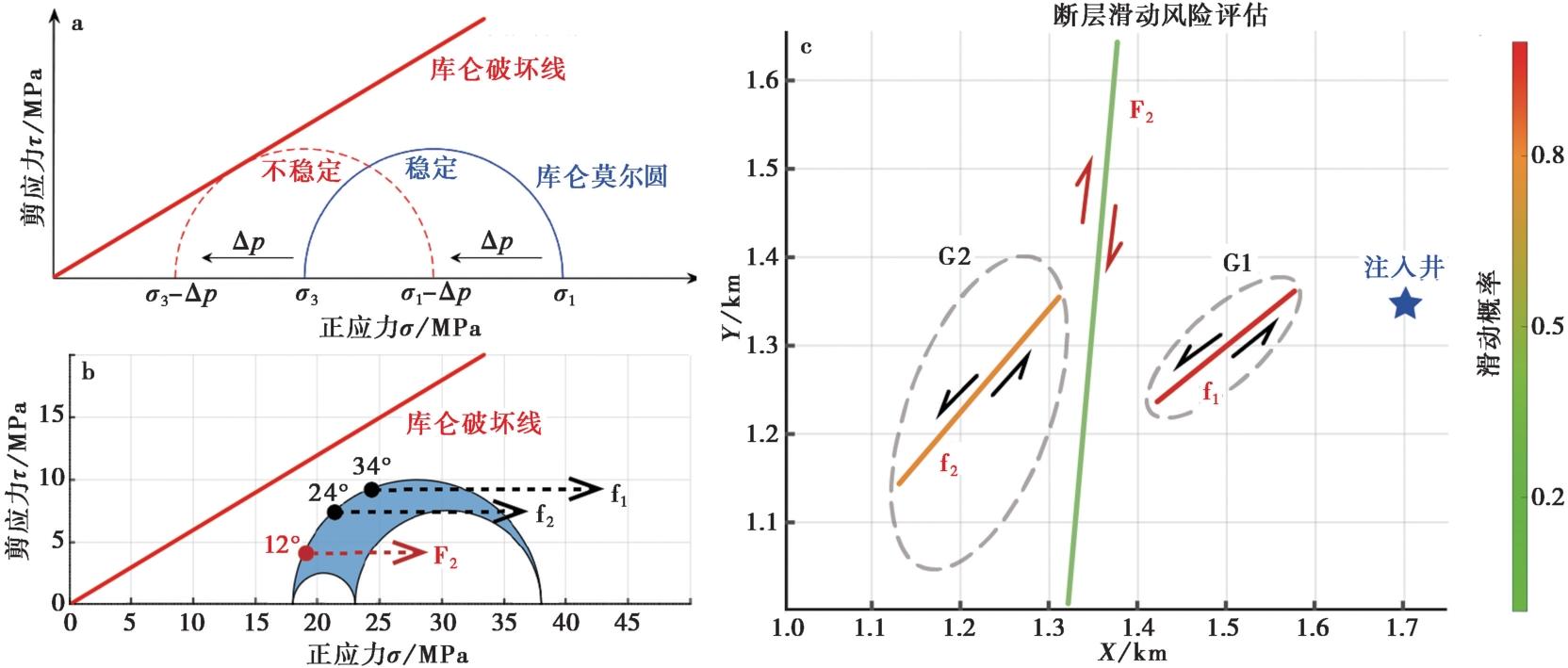
Fig. 8 Mohr-Coulomb diagram and slip potential assessment model for the main and secondary faults of the study region.
| [1] |
邓宾, 刘树根, 王国芝, 等. 2013. 四川盆地南部地区新生代隆升剥露研究: 低温热年代学证据[J]. 地球物理学报, 56(6): 1958-1973.
|
|
|
|
| [2] |
惠钢, 陈胜男, 顾斐. 2021. 流体-地质力学耦合建模表征水力压裂诱发地震: 以加拿大Fox Creek地区为例[J]. 地球物理学报, 64(3): 864-875.
DOI |
|
|
|
| [3] |
雷兴林, 苏金蓉, 王志伟. 2020. 四川盆地南部持续增长的地震活动及其与工业注水活动的关联[J]. 中国科学(地球科学), 50(11): 1505-1532.
|
|
|
|
| [4] |
梁兴, 叶熙, 张介辉, 等. 2011. 滇黔北下古生界海相页岩气藏赋存条件评价[J]. 海相油气地质, 16(4): 11-21.
|
|
|
|
| [5] |
马新华, 谢军. 2018. 川南地区页岩气勘探开发进展及发展前景[J]. 石油勘探与开发, 45(1): 161-169.
DOI |
|
|
|
| [6] |
马新华, 张晓伟, 熊伟, 等. 2023. 中国页岩气发展前景及挑战[J]. 石油科学通报, 8(4): 491-501.
|
|
|
|
| [7] |
四川省地质矿产局. 1991. 四川省区域地质志[M]. 北京: 地质出版社.
|
|
Sichuan Bureau of Geology and Mineral Resources. 1991. Regional Geology of Sichuan Province[M]. Geological Publishing House, Beijing (in Chinese).
|
|
| [8] |
苏培臻, 罗艳, 赵里. 2025. 川滇地区地壳三维应力场模型的构建[J]. 地球物理学报, 68(5): 1730-1750.
|
|
|
|
| [9] |
王文东, 喻文锋, 高攀, 等. 2024. 页岩气井间压裂窜扰机理及影响规律[J]. 天然气工业, 44(1): 128-138.
|
|
|
|
| [10] |
许顺山, 彭华,
|
|
|
|
| [11] |
徐政语, 梁兴, 王维旭, 等. 2016. 上扬子区页岩气甜点分布控制因素探讨: 以上奥陶统五峰组-下志留统龙马溪组为例[J]. 天然气工业, 36(9): 35-43.
|
|
|
|
| [12] |
杨旭航, 陶玮, 鲁人齐, 等. 2025. 气液注采工业活动诱发地震机理及其断层滑动风险评估综述[J]. 地球物理学报, 68(1): 1-35.
|
|
|
|
| [13] |
张东涛, 胡朝俊, 闫亚蕾, 等. 2021. 昭通地区现今构造应力场分布特征及成因机制[J]. 天然气工业, 41(S1): 24-29.
|
|
|
|
| [14] |
张捷, 况文欢, 张雄, 等. 2021. 全球油气开采诱发地震的研究现状与对策[J]. 地球与行星物理论评, 52(3): 239-265.
|
|
|
|
| [15] |
张岳桥, 董树文, 李建华, 等. 2011. 中生代多向挤压构造作用与四川盆地的形成和改造[J]. 中国地质, 38(2): 233-250.
|
|
|
|
| [16] |
DOI URL |
| [17] |
DOI URL |
| [18] |
DOI URL |
| [19] |
|
| [20] |
DOI URL |
| [21] |
DOI URL |
| [22] |
|
| [23] |
DOI PMID |
| [24] |
DOI URL |
| [25] |
|
| [26] |
DOI URL |
| [27] |
DOI URL |
| [28] |
DOI URL |
| [29] |
DOI URL |
| [30] |
DOI URL |
| [31] |
DOI URL |
| [32] |
DOI URL |
| [33] |
|
| [34] |
|
| [35] |
DOI URL |
| [36] |
DOI URL |
| [37] |
|
| [38] |
|
| [39] |
DOI URL |
| [40] |
|
| [1] | LI Jin, DENG Ming-wen, ZHANG Zhi-guang, SUN Ye-jun, YAO Yuan, XU Kai-chi. PRELIMINARY STUDY ON THE SEISMOGENIC STRUCTURE OF THE 2024 M5 EARTHQUAKE SWARM IN YULI, TARIM BASIN [J]. SEISMOLOGY AND GEOLOGY, 2025, 47(2): 463-487. |
| [2] | XU Bin-bin, ZHANG Yi-peng, LU Le-jun, TIAN Qing-ying, YANG Xue, WANG Yang, ZHANG Pei-zhen. STUDY ON SEISMOGENIC TECTONICS OF THE 2025 MYANMAR MS7.9 EARTHQUAKE [J]. SEISMOLOGY AND GEOLOGY, 2025, 47(2): 649-670. |
| [3] | ZHANG Ya-jing, LI Zheng-fang, ZHOU Ben-gang, XIAO Hai-bo. 3D MODELING AND MAXIMUM POTENTIAL SEISMIC ASSESS-MENT OF THE EASTERN MARGIN FAULT OF DAXING UPLIFT [J]. SEISMOLOGY AND GEOLOGY, 2024, 46(4): 802-820. |
| [4] | PANG Zhen-hui, XU Hao-ting, SHI Xu-hua, GE Jin, LI Feng. GEOMORPHIC DATING OF SCARPS AND ITS APPLICATION TO ACTIVE TECTONICS AND GEOMORPHOLOGY [J]. SEISMOLOGY AND GEOLOGY, 2024, 46(2): 251-276. |
| [5] | WANG Hui, CAO Jian-ling, YAO Qi, WANG Li-wei, ZHU Ya-ling. EFFECTS OF STRIKE-SLIP FAULT GEOMETRIC COMPLEXITY ON EARTHQUAKE RUPTURES PROPAGATION: A REVIEW [J]. SEISMOLOGY AND GEOLOGY, 2024, 46(1): 201-219. |
| [6] | SHEN Bai, ZHANG Zhi-liang, REN Zhi-kun, LIU Jin-rui. ACTIVITY PERIOD, FORMATION MECHANISM AND TECTONIC SIGNIFICANCE OF THE KALAYU’ERGUN FAULT IN THE WESTERN KUQA DEPRESSION [J]. SEISMOLOGY AND GEOLOGY, 2023, 45(6): 1247-1264. |
| [7] | HUANG Wei-liang, ZHANG Jia-le, XIANG Wen, YANG Qian-hao. THE LATE QUATERNARY ACTIVITY CHARACTERISTICS AND SLIP RATE OF BATANG FAULT IN SE TIBETAN PLATEAU [J]. SEISMOLOGY AND GEOLOGY, 2023, 45(6): 1265-1285. |
| [8] | LI Qian, SONG Qian-jin, FENG Shao-ying, JI Ji-fa, DUAN Yong-hong, HE Yin-juan, QIN Jing-jing. DEEP STRUCTURES OF THE MIDDLE-SOUTHERN SEGMENT OF LANLIAO FAULT ZONE REVEALED BY DEEP SEISMIC REFLECTION PROFILE [J]. SEISMOLOGY AND GEOLOGY, 2022, 44(4): 1029-1045. |
| [9] | SHAO Yan-xiu, LIU-ZENG Jing, GAO Yun-peng, WANG Wen-xin, YAO Wen-qian, HAN Long-fei, LIU Zhi-jun, ZOU Xiao-bo, WANG Yan, LI Yun-shuai, LIU Lu. COSEISMIC DISPLACEMENT MEASUREMENT AND DISTRIBUTED DEFORMATION CHARACTERIZATION: A CASE OF 2021 MW7.4 MADOI EARTHQUAKE [J]. SEISMOLOGY AND GEOLOGY, 2022, 44(2): 506-523. |
| [10] | XU Fang, LU Ren-qi, WANG Shuai, JIANG Guo-yan, LONG Feng, WANG Xiao-shan, SU Peng, LIU Guan-shen. STUDY ON THE SEISMOTECTONICS OF THE QINGBAIJIANG MS5.1 EARTHQUAKE IN SICHUAN PROVINCE IN 2020 BY MULTIPLE CONSTRAINT METHOD [J]. SEISMOLOGY AND EGOLOGY, 2022, 44(1): 220-237. |
| [11] | MIAO Shu-qing, HU Zong-kai, ZHANG Ling, YANG Hai-bo, YANG Xiao-ping. GEOMORPHIC ANALYSIS OF STRIKE-SLIP FAULTING AT THE TOP OF ALLUVIAL FAN: A CASE STUDY AT AHEBIEDOU RIVER ON THE EASTERN MARGIN OF TACHENG BASIN, XINJIANG, CHINA [J]. SEISMOLOGY AND GEOLOGY, 2021, 43(3): 488-503. |
| [12] | LEI Sheng-xue, RAN Yong-kang, LI Yan-bao, LI Hai-ou, GAO Ye, GUO Wei. A POSSIBLE MECHANISM FOR REVERSE CROSS-BASIN FAULT IN GANYANCHI ASYMMETRIC PULL-APART BASIN ALONG THE HAIYUAN FAULT [J]. SEISMOLOGY AND GEOLOGY, 2021, 43(1): 36-52. |
| [13] | YAO Sheng-hai, GAI Hai-long, YIN Xiang, LIU Wei, ZHANG Jia-qing, YUAN Jian-xin. TECTONIC GEOMORPHOLOGY AND QUATERNARY SLIP RATE OF THE XITIESHAN SECTION OF THE NORTHERN MARGIN FAULT OF QAIDAM BASIN [J]. SEISMOLOGY AND GEOLOGY, 2020, 42(6): 1385-1400. |
| [14] | WANG Hao-ran, CHEN Jie, LI Tao, LI Yue-hua, ZHANG Bo-xuan. QUATERNARY FOLDING OF THE XIHU ANTICLINE BELT ALONG FORELAND BASIN OF NORTH TIANSHAN [J]. SEISMOLOGY AND GEOLOGY, 2020, 42(4): 791-805. |
| [15] | GU Qin-ping, XU Han-gang, YAN Yun-xiang, ZHAO Qi-guang, LI Li-mei, MENG Ke, YANG Hao, WANG Jin-yan, JIANG Xin, MA Dong-wei. THE CRUSTAL SHALLOW STRUCTURES AND FAULT ACTIVITY DETECTION IN XINYI SECTION OF TAN-LU FAULT ZONE [J]. SEISMOLOGY AND GEOLOGY, 2020, 42(4): 825-843. |
| Viewed | ||||||
|
Full text |
|
|||||
|
Abstract |
|
|||||
Copyright © SEISMOLOGY AND GEOLOGY, All Rights Reserved.
Tel: 010-62009049/9063 E-mail: dzdz@ies.ac.cn
Powered by Beijing Magtech Co., Ltd.