
SEISMOLOGY AND GEOLOGY ›› 2025, Vol. 47 ›› Issue (6): 1546-1565.DOI: 10.3969/j.issn.0253-4967.2025.06.20240054
Previous Articles Next Articles
SUMMARY OF PRECURSORS OF THE MENYUAN MS6.9 EARTHQUAKE AND ITS INSPIRATION FOR SUB-INSTABILITY THEORY
GAO Shu-de1,4)( ), WU Xiao-ping2),*(), LUO Wei-bin3), YANG Xiao-peng1), WANG Wen-cai1), YAO Sai-sai4), CHEN Shuang-gui4), LIU Jun1)
- 1) Gansu Earthquake Agency & Lanzhou Institute of Earthquake Research, CEA, Gansu, Lanzhou 730000, China
2) School of Earth and Space Science, University of Science and Technology of Anhui, Hefei 230026, China
3) Lanzhou Resources & Environment Voc-tech College, Gansu, Lanzhou 730000, China
4) Lanzhou Geophysics National Observation and Research Station, Gansu, Lanzhou 730000, China
-
Received:2024-04-22Revised:2024-07-04Online:2025-12-20Published:2025-12-31
门源 MS6.9 地震前兆现象总结及对亚失稳研究的启示
高曙德1,4)(), 吴小平2),*(), 罗维斌3), 杨晓鹏1), 王文才1), 姚赛赛4), 陈双贵4), 刘君1)
- 1) 甘肃省地震局(中国地震局兰州地震研究所), 兰州 730000
2) 中国科学技术大学, 地球和空间科学学院, 合肥 230026
3) 兰州资源环境职业技术大学, 兰州 730000
4) 兰州地球物理国家野外科学观测研究站, 兰州 730000
-
通讯作者:*吴小平, 男, 1967年生, 教授, 主要从事电磁测深和地球内部物理研究, E-mail: wxp@ustc.edu.cn。 -
作者简介:高曙德, 1970年生, 正高级工程师, 主要从事地震监测预报和科学研究工作, E-mail: gsd_gsd@126.com。
-
基金资助:地震科学联合基金(U2039206); 甘肃省科技计划项目(25YFFA076); 甘肃省科技计划项目(23JRRA1397); 甘肃省科技计划项目(22JR5RA315); 甘肃省科技计划项目(24YFFA021); 甘肃省教育科技创新产业支撑计划项目(2021CYZC-67); 中国地震局地震科技星火计划项目(XH24047YA); 甘肃省地震局创新团队专项(2019TD-02-03)

Cite this article
GAO Shu-de, WU Xiao-ping, LUO Wei-bin, YANG Xiao-peng, WANG Wen-cai, YAO Sai-sai, CHEN Shuang-gui, LIU Jun. SUMMARY OF PRECURSORS OF THE MENYUAN MS6.9 EARTHQUAKE AND ITS INSPIRATION FOR SUB-INSTABILITY THEORY[J]. SEISMOLOGY AND GEOLOGY, 2025, 47(6): 1546-1565.
高曙德, 吴小平, 罗维斌, 杨晓鹏, 王文才, 姚赛赛, 陈双贵, 刘君. 门源 MS6.9 地震前兆现象总结及对亚失稳研究的启示[J]. 地震地质, 2025, 47(6): 1546-1565.
share this article
Add to citation manager EndNote|Ris|BibTeX
URL: https://www.dzdz.ac.cn/EN/10.3969/j.issn.0253-4967.2025.06.20240054

Fig. 1 Regional seismotectonic map of the Menyuan MS6.9 earthquake in Qinghai.
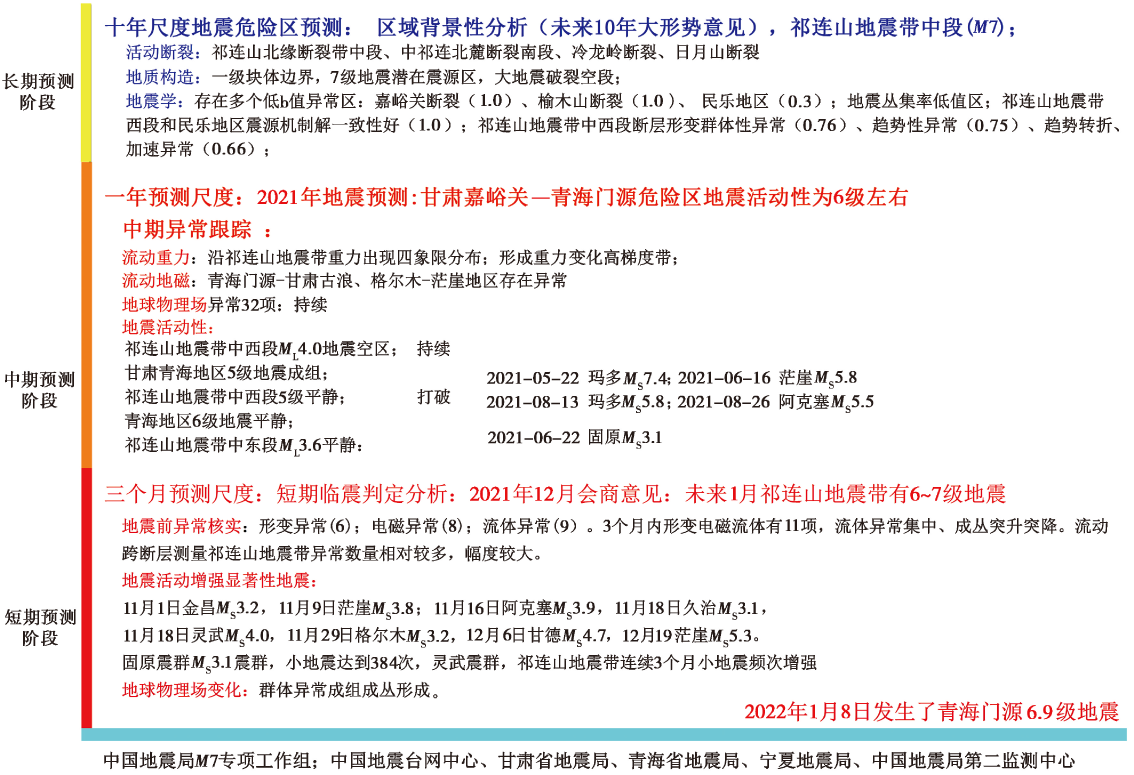
Fig. 2 The process of tracking and analyzing anomaly of the Menyuan MS6.9 earthquake in Qinghai.
| 序号1917-09-05 | 起始日期1920-10-01 | 打破日期3.07 | 平静时间 /a5.0 | 打破震级 /M1920-12-16 | 对应日期8.5 | 对应震级 /M76 | 间隔 /d1 |
|---|---|---|---|---|---|---|---|
| 2 | 1920-10-01 | 1925-04-20 | 4.55 | 5.3 | |||
| 3 | 1925-04-20 | 1927-03-16 | 1.9 | 6.0 | 1927-03-16 1927-05-23 | 6.0 8.0 | 0 68 |
| 4 | 1930-07-14 | 1932-12-25 | 2.45 | 7.6 | 1932-12-25 | 7.6 | 0 |
| 5 | 1934-03-12 | 1941-04-19 | 7.1 | 6.0 | 1941-04-19 | 6.0 | 0 |
| 6 | 1941-04-19 | 1947-03-27 | 5.9 | 5.0 | |||
| 7 | 1947-03-27 | 1951-12-27 | 4.75 | 6.0 | 1951-12-27 | 6.0 | 0 |
| 8 | 1952-02-06 | 1954-02-11 | 2 | 7.3 | 1954-02-11 | 7.3 | 0 |
| 9 | 1955-05-04 | 1957-03-23 | 1.88 | 5.0 | 1958-02-08 | 6.2 | 322 |
| 10 | 1960-04-27 | 1962-08-01 | 2.26 | 5.4 | 1963-04-19 | 7.0 | 261 |
| 11 | 1962-08-01 | 1975-01-04 | 12.43 | 5.3 | 1975-05-05 | 6.4 | 121 |
| 12 | 1975-01-04 | 1980-04-18 | 5.29 | 5.2 | 1981-01-24 | 6.9 | 281 |
| 13 | 1980-06-01 | 1984-01-06 | 3.6 | 5.3 | |||
| 14 | 1984-02-17 | 1986-08-26 | 2.5 | 6.5 | 1986-08-26 | 6.5 | 0 |
| 15 | 1986-09-17 | 1988-11-22 | 2.18 | 5.2 | 1988-11-26 | 6.0 | 4 |
| 16 | 1988-11-22 | 1991-01-02 | 2.1 | 5.1 | |||
| 17 | 1993-10-26 | 1996-06-01 | 2.6 | 5.4 | |||
| 18 | 1996-06-01 | 2001-07-11 | 5.1 | 5.3 | 2001-11-14 | 8.1 | 126 |
| 19 | 2003-10-25 | 2008-03-30 | 4.4 | 5.0 | 2008-05-12 | 8.0 | 43 |
| 20 | 2008-03-30 | 2013-09-20 | 5.48 | 5.1 | |||
| 21 | 2013-09-20 | 2015-11-23 | 2.17 | 5.2 | 2016-01-21 | 6.4 | 59 |
| 22 | 2016-01-22 | 2019-09-16 | 3.65 | 5.0 | |||
| 23 | 2019-09-16 | 2021-08-26 | 1.95 | 5.5 | 2022-01-08 | 6.9 | 135 |
Table1 The statistics of correspondence between the magnitude 5.0 earthquake calm breaking in Qilian Mountain seismic zone with the subsequent magnitude 6.0 or above earthquake in Gansu and its neighboring areas
| 序号1917-09-05 | 起始日期1920-10-01 | 打破日期3.07 | 平静时间 /a5.0 | 打破震级 /M1920-12-16 | 对应日期8.5 | 对应震级 /M76 | 间隔 /d1 |
|---|---|---|---|---|---|---|---|
| 2 | 1920-10-01 | 1925-04-20 | 4.55 | 5.3 | |||
| 3 | 1925-04-20 | 1927-03-16 | 1.9 | 6.0 | 1927-03-16 1927-05-23 | 6.0 8.0 | 0 68 |
| 4 | 1930-07-14 | 1932-12-25 | 2.45 | 7.6 | 1932-12-25 | 7.6 | 0 |
| 5 | 1934-03-12 | 1941-04-19 | 7.1 | 6.0 | 1941-04-19 | 6.0 | 0 |
| 6 | 1941-04-19 | 1947-03-27 | 5.9 | 5.0 | |||
| 7 | 1947-03-27 | 1951-12-27 | 4.75 | 6.0 | 1951-12-27 | 6.0 | 0 |
| 8 | 1952-02-06 | 1954-02-11 | 2 | 7.3 | 1954-02-11 | 7.3 | 0 |
| 9 | 1955-05-04 | 1957-03-23 | 1.88 | 5.0 | 1958-02-08 | 6.2 | 322 |
| 10 | 1960-04-27 | 1962-08-01 | 2.26 | 5.4 | 1963-04-19 | 7.0 | 261 |
| 11 | 1962-08-01 | 1975-01-04 | 12.43 | 5.3 | 1975-05-05 | 6.4 | 121 |
| 12 | 1975-01-04 | 1980-04-18 | 5.29 | 5.2 | 1981-01-24 | 6.9 | 281 |
| 13 | 1980-06-01 | 1984-01-06 | 3.6 | 5.3 | |||
| 14 | 1984-02-17 | 1986-08-26 | 2.5 | 6.5 | 1986-08-26 | 6.5 | 0 |
| 15 | 1986-09-17 | 1988-11-22 | 2.18 | 5.2 | 1988-11-26 | 6.0 | 4 |
| 16 | 1988-11-22 | 1991-01-02 | 2.1 | 5.1 | |||
| 17 | 1993-10-26 | 1996-06-01 | 2.6 | 5.4 | |||
| 18 | 1996-06-01 | 2001-07-11 | 5.1 | 5.3 | 2001-11-14 | 8.1 | 126 |
| 19 | 2003-10-25 | 2008-03-30 | 4.4 | 5.0 | 2008-05-12 | 8.0 | 43 |
| 20 | 2008-03-30 | 2013-09-20 | 5.48 | 5.1 | |||
| 21 | 2013-09-20 | 2015-11-23 | 2.17 | 5.2 | 2016-01-21 | 6.4 | 59 |
| 22 | 2016-01-22 | 2019-09-16 | 3.65 | 5.0 | |||
| 23 | 2019-09-16 | 2021-08-26 | 1.95 | 5.5 | 2022-01-08 | 6.9 | 135 |
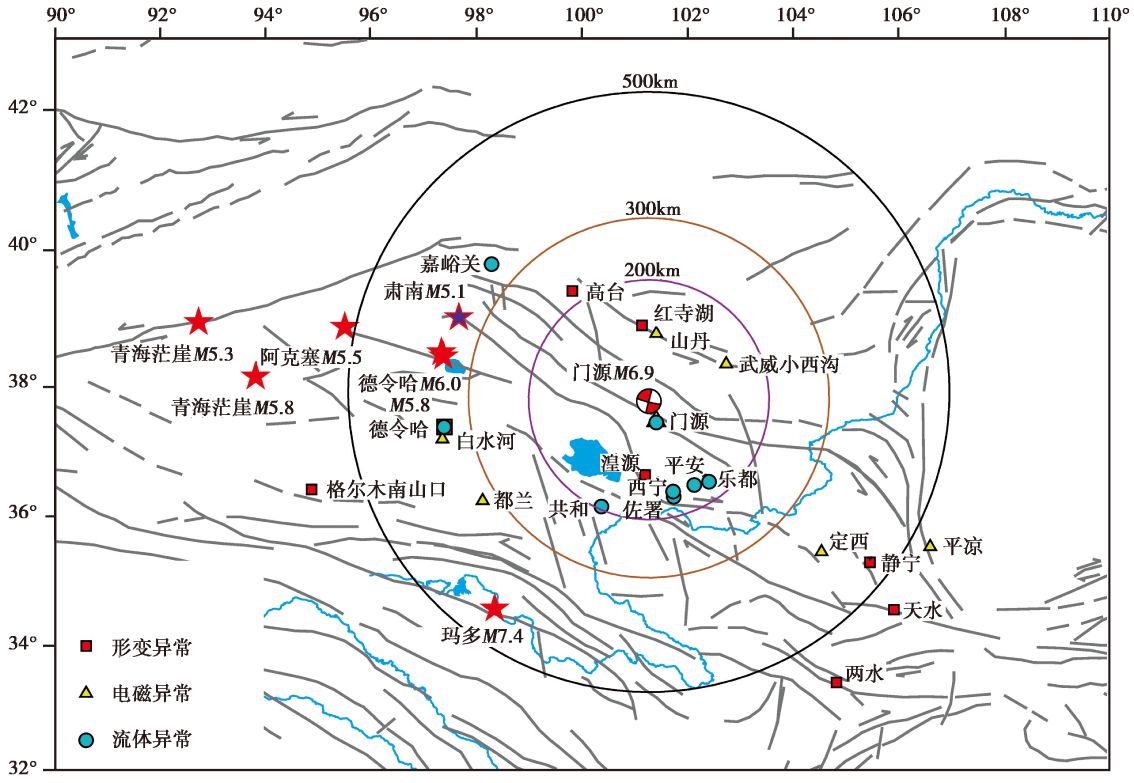
Fig. 3 Spatial distribution of precursor anomalies in the epicenter area before the Menyuan MS6.9 earthquake in Qinghai.
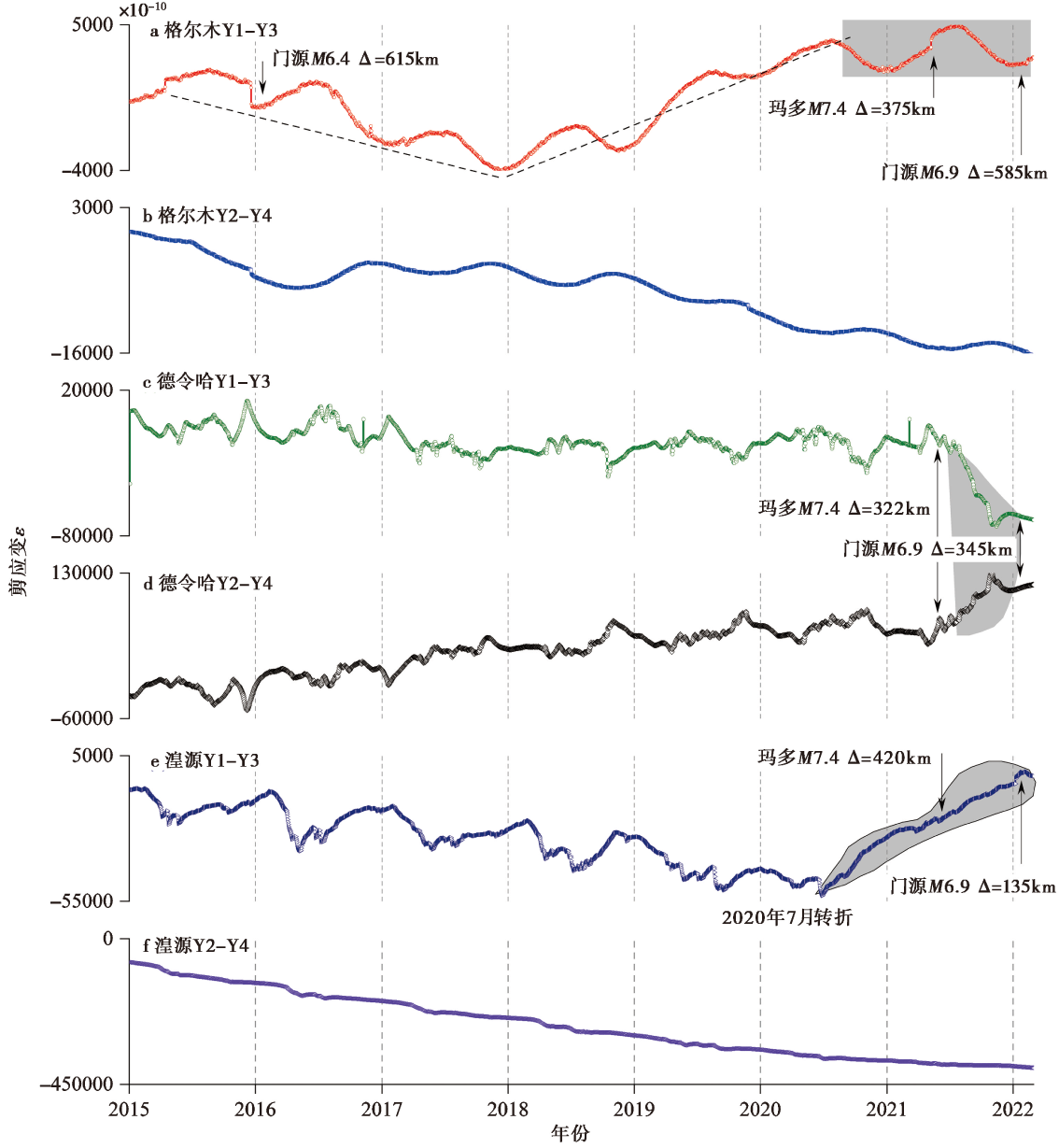
Fig. 4 The trend changes in borehole strain from January 2015 to February 2022.
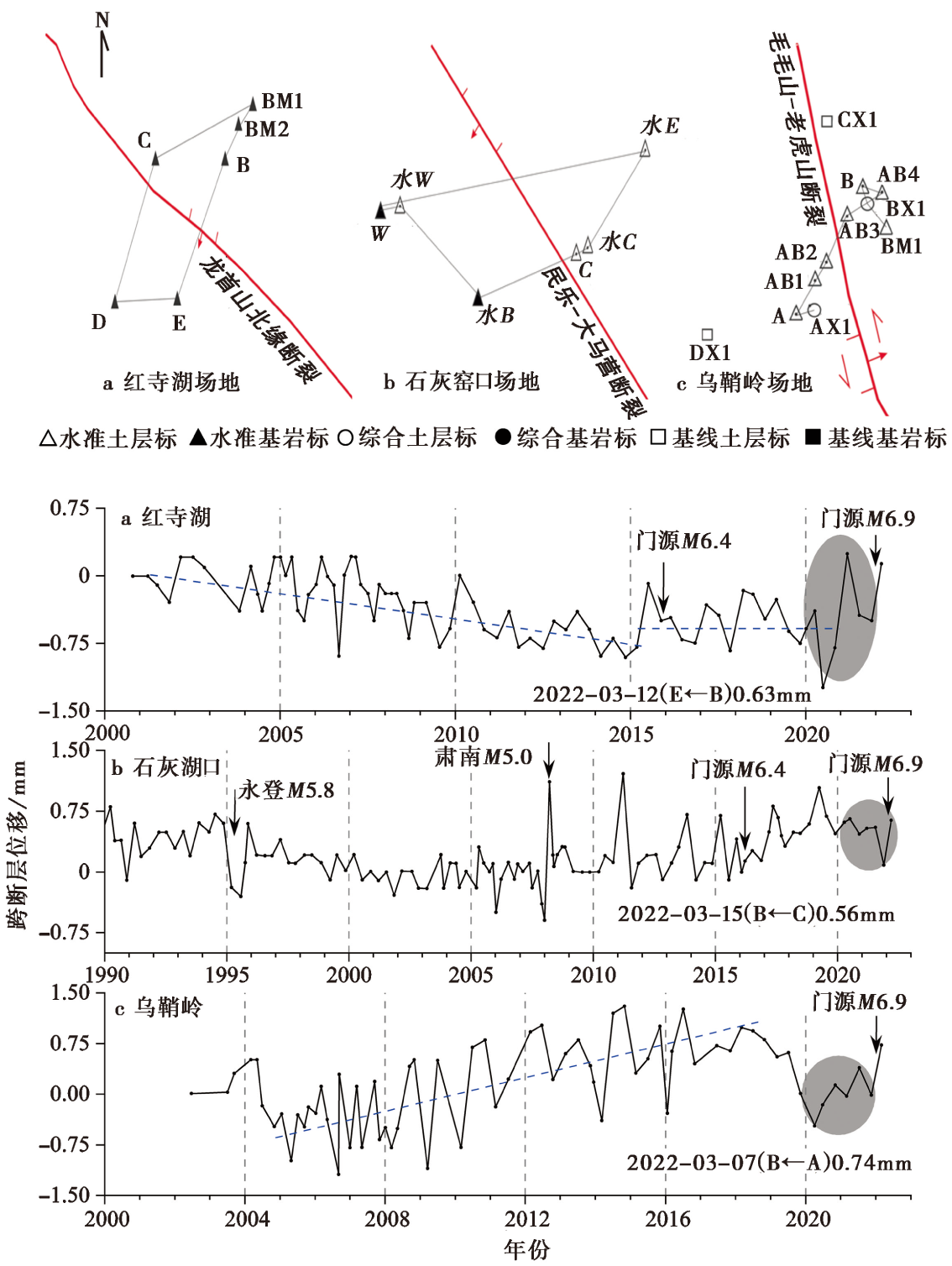
Fig. 5 Short ground level variation curves of across faults in the middle part of the Qilian Mountain seismic zone.
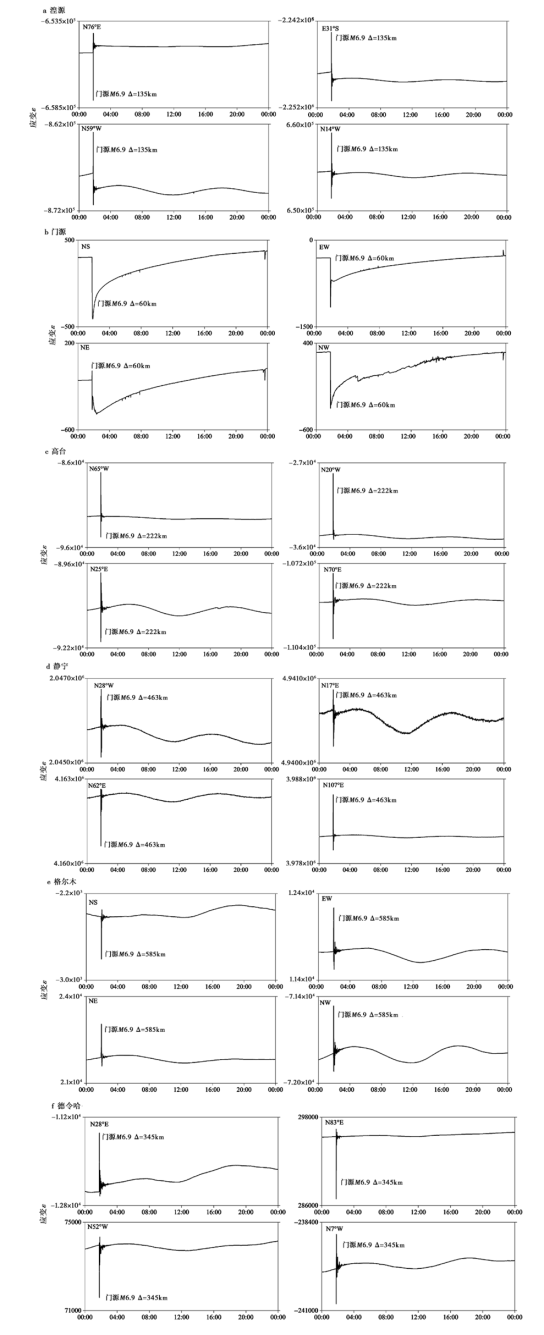
Fig. 7 Borehole strain isoseismic response minute-value curves of the January 8, 2020 Menyuan MS6.9 earthquake from the Ganqing monitoring network.
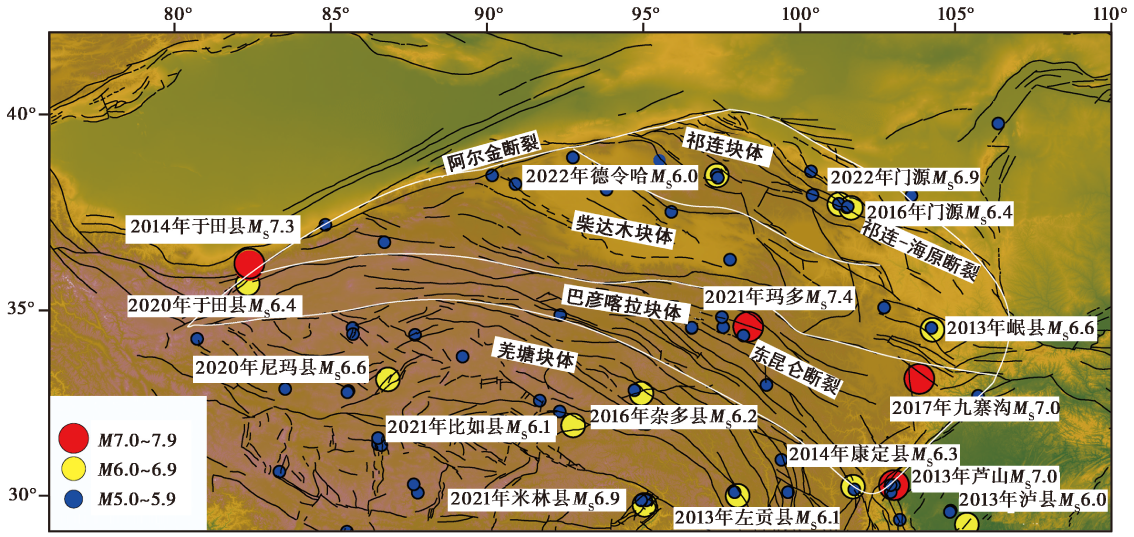
Fig. 6 Distribution of MS≥5 earthquakes at the northern margin of the Tibetan plateau from January 2013 to May 2022.
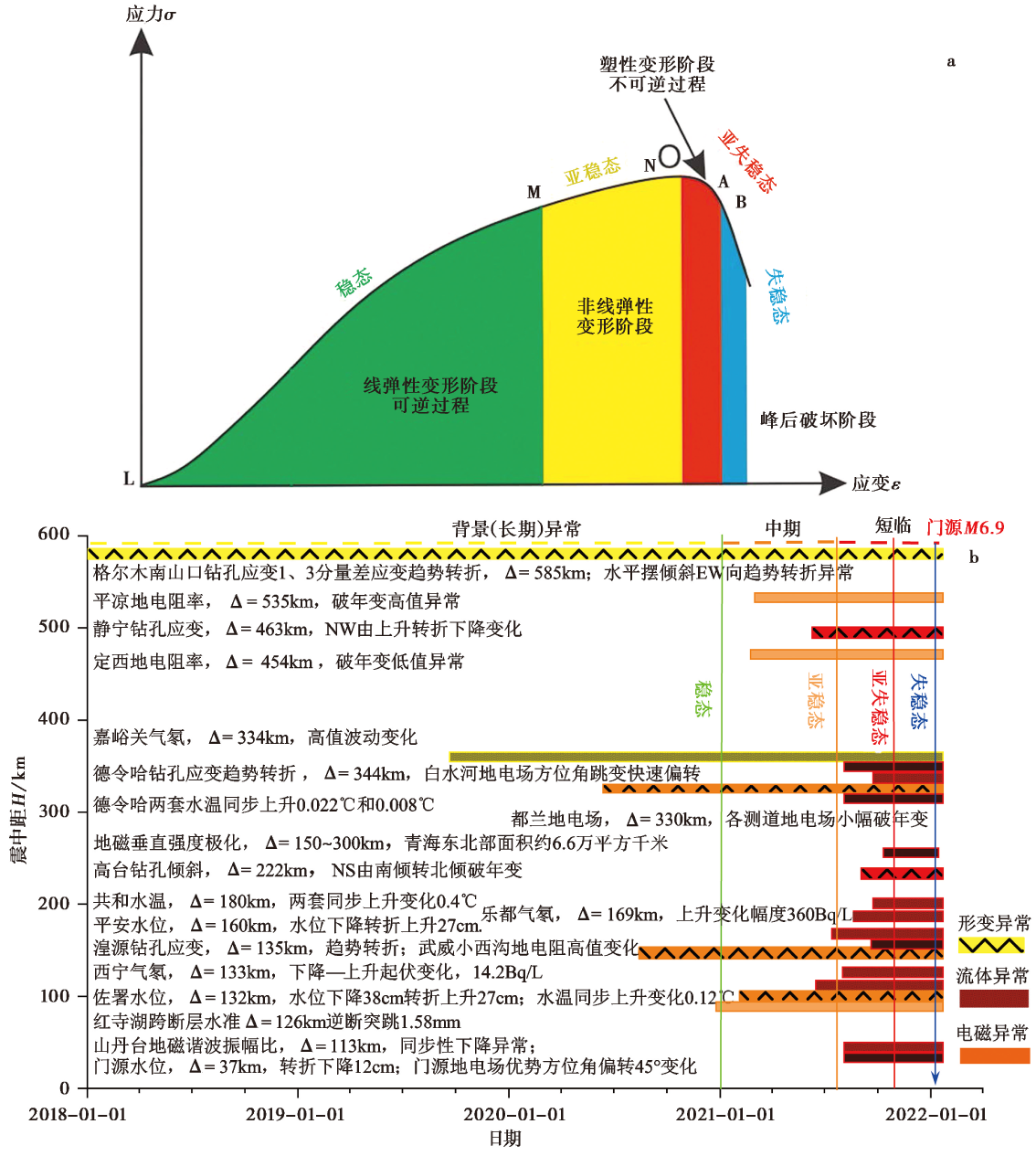
Fig. 8 The “sub instability” theory based geophysical field anomalies before MS6.9 magnitude in Menyuan, Qinghai.
| [1] |
陈一方. 2019. 青藏高原东北缘岩石圈速度间断面研究[D]. 北京: 中国地震局地质研究所.
|
|
|
|
| [2] |
陈运泰. 2009. 地震预测: 回顾与展望[J]. 中国科学(D辑), 39(12): 1633-1658.
|
|
|
|
| [3] |
邓起东, 程绍平, 马冀, 等. 2014. 青藏高原地震活动特征及当前地震活动形势[J]. 地球物理学报, 57(7): 2025-2042.
DOI |
|
|
|
| [4] |
樊文杰, 冯丽丽, 李霞, 等. 2022. 2022年1月8日青海门源 MS6.9 地震前地磁垂直强度极化异常变化特征[J]. 地震工程学报, 44(3): 744-750.
|
|
|
|
| [5] |
盖海龙, 李智敏, 姚生海, 等. 2022. 2022年青海门源 MS6.9 地震地表破裂特征的初步调查研究[J]. 地震地质, 44(1): 238-255. doi: 10.3969/j.issn.0253-4967.2022.01.015.
|
|
|
|
| [6] |
顾功叙, 林庭煌, 时振梁, 等. 1983. 中国地震目录(公元前1831年-公元1969年)[Z]. 北京: 科学出版社: 226-238, 255-258.
|
|
|
|
| [7] |
李敏娟, 毛冬瑶, 张辉, 等. 2022. 2022年青海门源6.9级地震前祁连山地震带平静打破异常特征[J]. 地震工程学报, 44(2): 425-431.
|
|
|
|
| [8] |
李智敏, 盖海龙, 李鑫, 等. 2022. 2022年青海门源 MS6.9 地震发震构造和地表破裂初步调查[J]. 地质学报, 96(1): 330-335.
|
|
|
|
| [9] |
刘百篪, 吕太乙, 袁道阳, 等. 2013. 祁连山活动断裂东段(老虎山、 毛毛山和金强河断裂)地质图(1︰50 000)说明书[M]. 北京: 地震出版社: 8-18, 30-33.
|
|
|
|
| [10] |
刘金瑞. 2018. 阿尔金断裂阿克塞段晚第四纪滑动速率精确厘定[D]. 北京: 中国地震局地质研究所.
|
|
|
|
| [11] |
马瑾, 郭彦双. 2014. 失稳前断层加速协同化的实验室证据和地震实例[J]. 地震地质, 36(3): 547-561. doi: 10.3969/j.issn.0253-4967.2014.03.001.
|
|
|
|
| [12] |
马瑾. 2016. 从“是否存在有助于预报的地震先兆”说起[J]. 科学通报, 61(4-5): 409-414.
|
|
|
|
| [13] |
马玉虎, 马震, 王培玲, 等. 2018. 2008-2016年青海地区MS≥5.0显著地震短临跟踪[J]. 地震地磁观测与研究, 39(1): 18-25.
|
|
|
|
| [14] |
孟令媛, 解孟雨, 臧阳. 2022. 2022年门源 MS6.9 和2016年门源 MS6.4 地震序列比较分析[J]. 中国地震, 38(1): 1-11.
|
|
|
|
| [15] |
潘家伟, 李海兵,
|
|
|
|
| [16] |
万永革, 许鑫, 黄少华, 等. 2022. P波极性资料确定的2022青海门源 MS6.9 地震序列震源机制及应力场[J]. 地震工程学报, 44(3): 670-679, 690.
|
|
|
|
| [17] |
王敏, 沈正康. 2020. 中国大陆现今构造变形: 三十年的GPS观测与研究[J]. 中国地震, 36(4): 660-683.
|
|
|
|
| [18] |
杨立明, 肖丽珠, 张小美, 等. 2001. 青藏高原北部地震活动形势及其与中国大陆地区地震活动的关系研究[J]. 地震工程学报, 23(3): 243-249.
|
|
|
|
| [19] |
姚赛赛, 高曙德, 陈雪梅, 等. 2023. 2022年青海门源 MS6.9 地震前地电阻率变化分析[J]. 大地测量与地球动力学, 43(2): 141-147.
|
|
|
|
| [20] |
叶卓, 高锐, 李秋生, 等. 2018. 青藏高原向东挤出与向北扩展--高原隆升深部过程之探讨[J]. 科学通报, 63(31): 3217-3228.
|
|
|
|
| [21] |
尹祥础, 陈学忠, 宋治平, 等. 1994. 加卸载响应比: 一种新的地震预报方法[J]. 地球物理学报, 37(6): 767-775.
|
|
|
|
| [22] |
袁道阳, 张培震, 刘小龙, 等. 2004. 青海鄂拉山断裂带晚第四纪构造活动及其所反映的青藏高原东北缘的变形机制[J]. 地学前缘, 11(4): 393-402.
|
|
|
|
| [23] |
袁道阳, 谢虹, 苏瑞欢, 等. 2023. 2022年1月8日青海门源 MS6.9 地震地表破裂带特征与发震机制[J]. 地球物理学报, 66(1): 229-244.
|
|
|
|
| [24] |
詹艳, 梁明剑, 孙翔宇, 等. 2021. 2021年5月22日青海玛多 MS7.4 地震深部环境及发震构造模式[J]. 地球物理学报, 64(7): 2232-2252.
DOI |
|
|
|
| [25] |
张希, 贾鹏, 刘峡, 等. 2020. 岷县漳县强震前的跨断层短临异常及亚失稳状态特征[J]. 地震地质, 42(5): 1205-1217. doi: 10.3969/j.issn.0253-4967.2020.05.011.
|
|
DOI |
|
| [26] |
赵凌强, 孙翔宇, 詹艳, 等. 2022. 2022年1月8日青海门源 MS6.9 地震孕震环境和冷龙岭断裂分段延展特征[J]. 地球物理学报, 65(4): 1536-1546.
|
|
|
|
| [27] |
DOI URL |
| [28] |
|
| [29] |
|
| [30] |
DOI URL |
| [1] | LI Zi-hong, ZHUO Yan-qun, CHEN Shun-yun, CHEN Hao, LU Li-li. EXPERIMENTAL STUDY ON THE EFFECTS OF FAULT CONTACT HETEROGENEITY ON SEISMIC ACTIVITY [J]. SEISMOLOGY AND GEOLOGY, 2026, 48(2): 329-350. |
| [2] | QIAN Ting, CHEN Hao, HE Yi-cheng, JIANG Hao-lin, DU Hang, NI Hao-qi. HIGH-RESOLUTION CRUSTAL VELOCITY AND ANALYSIS OF SEISMIC SPATIAL VARIATION CHARACTERISTICS IN THE CENTRAL AND SOUTHERN SEGMENTS OF THE TAN-LU FAULT ZONE [J]. SEISMOLOGY AND GEOLOGY, 2026, 48(2): 442-459. |
| [3] | JIANG Hai-kun, SONG Jin. THE TIDAL TRIGGERING CHARACTERISTICS OF MS≥4.0 AFTERSHOCKS IN JANUARY 23, 2024 WUSHI MS7.1 EARTHQUAKE SEQUENCE, XINJIANG, CHINA [J]. SEISMOLOGY AND GEOLOGY, 2025, 47(6): 1526-1545. |
| [4] | DAI Meng-xue, XU Rong-rong, ZHAO Fei-yu, PEI Jun-ling. ANALYSIS OF CRUSTAL STRUCTURE AND STRONG EARTH-QUAKE ACTIVITY OF THE IRANIAN PLATEAU BASED ON GRAVITY INVERSION IN SPHERICAL COORDINATE SYSTEM [J]. SEISMOLOGY AND GEOLOGY, 2025, 47(5): 1326-1342. |
| [5] | SUN Xiao, LU Ren-qi, ZHANG Jin-yu, WANG Wei, SU Peng. A NEW REFERENCE SCHEME FOR THE DELINEATION OF ACTIVE BLOCK BOUNDARIES IN THE SICHUAN-YUNNAN EXPERIMENTAL SITE [J]. SEISMOLOGY AND GEOLOGY, 2024, 46(5): 1027-1047. |
| [6] | NIU Peng-fei, HAN Zhu-jun, GUO Peng, LI Ke-chang, LÜ Li-xing. THE DISASTER MECHANISM OF THE MS6.9 EARTHQUAKE IN MENYUAN, QINGHAI PROVINCE, 2022 [J]. SEISMOLOGY AND GEOLOGY, 2024, 46(4): 761-782. |
| [7] | LI Yuan, YANG Zhou-sheng, PANG Ya-jin, LIANG Hong-bao, LIU Xia. NUMERICAL SIMULATION OF FAULT ACTIVITY AND STRESS STATE BEFORE MS6.9 MENYUAN EARTHQUAKE [J]. SEISMOLOGY AND GEOLOGY, 2023, 45(6): 1286-1308. |
| [8] | LUO Xiang-fei, LI Zhong-liang, LI Yong-jiang, WANG Ze-yuan, JI Ji-fa, HE Xin, YU Bo. DENSITY STRUCTURE, TECTONIC FEATURES AND SEISMIC ACTIVITY OF THE YICHUAN-TAI’AN PROFILE [J]. SEISMOLOGY AND GEOLOGY, 2023, 45(6): 1385-1399. |
| [9] | WANG Xi-long, LUO Yin-hua, JIN Xiu-ying, YANG Meng-yao, KONG Xiang-rui. GEOCHEMICAL CHARACTERISTICS OF SOIL GAS IN ACTIVE FAULT ZONE AND ITS IMPLICATION TO THE ADJUSTMENT OF REGIONAL STRESS FIELD IN THE SOUTHERN AREA OF LIAONING PROVINCE [J]. SEISMOLOGY AND GEOLOGY, 2023, 45(3): 710-734. |
| [10] | GAI Hai-long, LI Zhi-min, YAO Sheng-hai, LI Xin. PRELIMINARY INVESTIGATION AND RESEARCH ON SURFACE RUPTURE CHARACTERISTICS OF THE 2022 QINGHAI MENYUAN MS6.9 EARTHQUAKE [J]. SEISMOLOGY AND EGOLOGY, 2022, 44(1): 238-255. |
| [11] | LIANG Kuan, HE Zhong-tai, JIANG Wen-liang, LI Yong-sheng, LIU Ze-min. SURFACE RUPTURE CHARACTERISTICS OF THE MENYUAN MS6.9 EARTHQUAKE ON JANUARY 8, 2022, QINGHAI PROVINCE [J]. SEISMOLOGY AND GEOLOGY, 2022, 44(1): 256-278. |
| [12] | SHAO Zhi-gang, FENG Wei, WANG Peng, YIN Xiao-fei. A STUDY REVIEW ON CHARACTERISTICS OF SEISMIC ACTIVITY OF ACTIVE-TECTONIC BLOCK BOUNDARIES IN MAINLAND CHINA [J]. SEISMOLOGY AND GEOLOGY, 2020, 42(2): 271-282. |
| [13] | ZHANG Lei, GAO Xiao-qi, BAO Chuang, LI Jing, LI Xu-mao. GEOCHEMICAL CHARACTERISTICS OF TECTONIC GAS IN HUTUBI UNDERGROUND GAS STORAGE [J]. SEISMOLOGY AND GEOLOGY, 2018, 40(5): 1059-1071. |
| [14] | XIE Chao, ZHOU Ben-gang, LI Zheng-fang. GEOMORPHIC FEATURES OF EASTERN HIMALAYAN SYNTAXIS AND ITS TECTONIC IMPLICATIONS [J]. SEISMOLOGY AND GEOLOGY, 2017, 39(2): 276-286. |
| [15] | WANG Hui-lin, XU Xiao-feng, ZHOU Long-quan, ZHANG Xiao-dong, SHEN Fan-lua, LI Zhi-xiong, ZHAN Wei. CRUSTAL Qs TOMOGRAPHY IN HAINAN ISLAND AND ADJACENT REGIONS [J]. SEISMOLOGY AND GEOLOGY, 2016, 38(3): 631-645. |
| Viewed | ||||||
|
Full text |
|
|||||
|
Abstract |
|
|||||
Copyright © SEISMOLOGY AND GEOLOGY, All Rights Reserved.
Tel: 010-62009049/9063 E-mail: dzdz@ies.ac.cn
Powered by Beijing Magtech Co., Ltd.