
SEISMOLOGY AND GEOLOGY ›› 2026, Vol. 48 ›› Issue (1): 233-256.DOI: 10.3969/j.issn.0253-4967.20240167
• Research pape • Previous Articles Next Articles
DYNAMIC SIMULATION OF DEFORMATION OF ACTIVE BLOCKS IN NORTH CHINA
LI Chen1)( ), XING Hui-lin1,2),*(), YAO Qi3), ZHONG Zhen-xiang1)
- 1)
Frontiers Science Center for Deep Ocean Multispheres and Earth System ,Key Lab of Submarine Geosciences and Pro-specting Techniques, MOE and College of Marine Geosciences, Ocean University of China
2)Laoshan Laboratory
3)Institute of Earthquake Forecasting ,China Earthquake Administration
-
Received:2025-01-26Revised:2025-03-20Online:2026-02-20Published:2026-03-14
华北地区活动地块运动变形的动力学模拟
李晨1)(), 邢会林1,2),*(), 姚琪3), 钟祯祥1)
- 1)
中国海洋大学海洋地球科学学院 ,青岛深海圈层与地球系统教育部前沿科学中心, 海底科学与探测技术教育部重点实验室
2)崂山实验室
3)中国地震局地震预测研究所
-
通讯作者:* 邢会林, 男, 1965年生, 教授, 博士生导师, 主要从事超级计算地球科学理论、 软件研发及其应用等研究, E-mail: h.xing@ouc.edu.cn。 -
作者简介:李晨, 男, 2000年生, 现为中国海洋大学海洋地质专业在读硕士研究生, 从事构造变形数值模拟研究, E-mail: lichen5818@stu.ouc.edu.cn。
-
基金资助:国家自然科学基金(92058211); 泰山学者项目(tstp20221112); 高等学校学科创新引智计划(B20048)

Cite this article
LI Chen, XING Hui-lin, YAO Qi, ZHONG Zhen-xiang. DYNAMIC SIMULATION OF DEFORMATION OF ACTIVE BLOCKS IN NORTH CHINA[J]. SEISMOLOGY AND GEOLOGY, 2026, 48(1): 233-256.
李晨, 邢会林, 姚琪, 钟祯祥. 华北地区活动地块运动变形的动力学模拟[J]. 地震地质, 2026, 48(1): 233-256.
share this article
Add to citation manager EndNote|Ris|BibTeX
URL: https://www.dzdz.ac.cn/EN/10.3969/j.issn.0253-4967.20240167
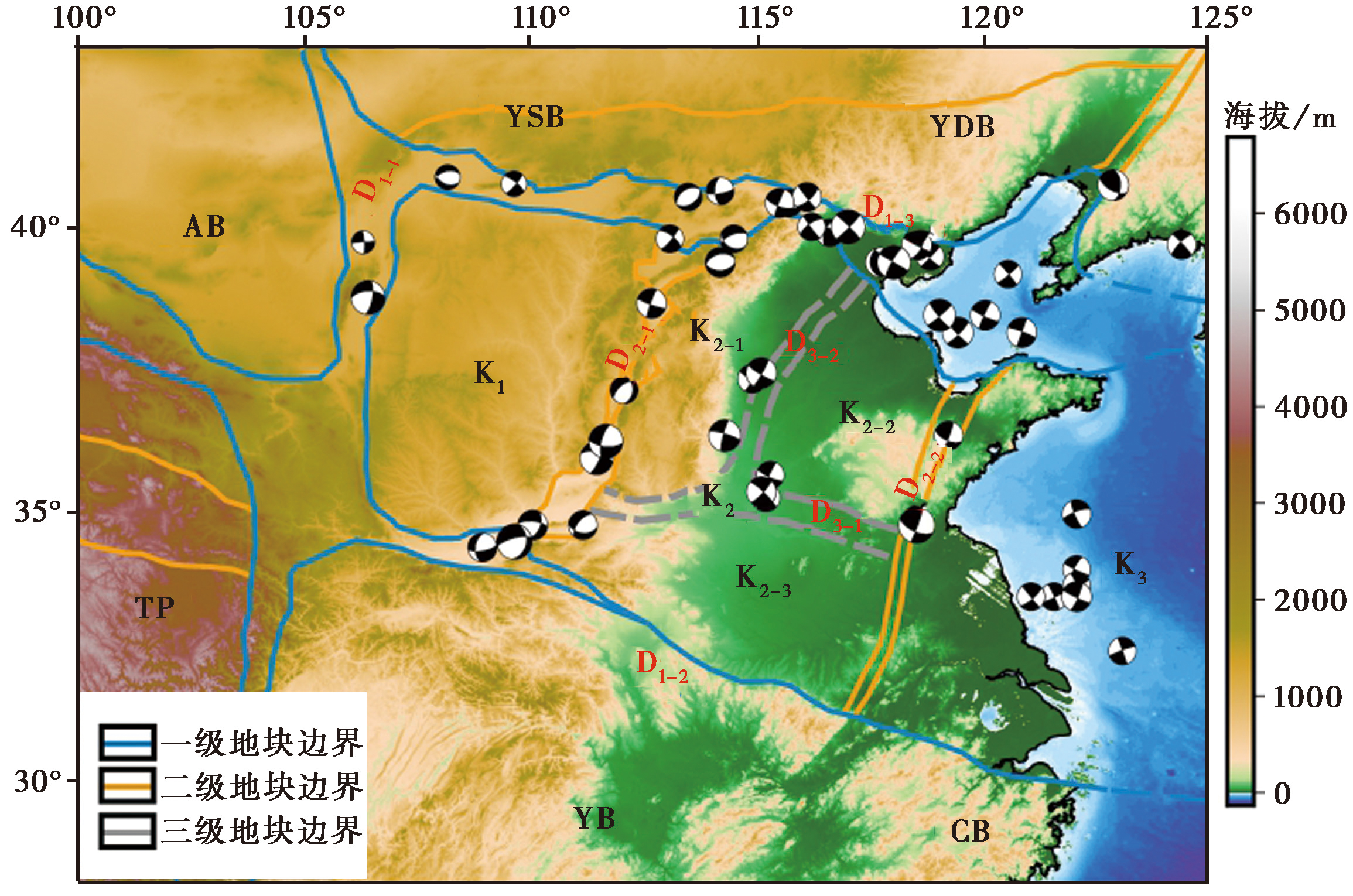
Fig. 1 Distribution of the M≥6.5 earthquakes and active blocks in and around North China (adapted from HAN Zhu-jun et al., 2003; ZHANG Pei-zhen et al., 2003; ZHANG Guo-min et al., 2005).
| 活动地块 | TP | AB | YB | K1 | YSB | YDB | CB | K2 | K3 |
|---|---|---|---|---|---|---|---|---|---|
| 上地壳厚度/km | 26 | 23 | 21 | 22 | 25 | 22 | 17 | 19 | 17 |
| 下地壳厚度/km | 14 | 17 | 19 | 18 | 15 | 8 | 13 | 11 | 13 |
| 减薄厚度/km | 0 | 0 | 0 | 0 | 0 | 10 | 10 | 10 | 10 |
Table1 Crustal stratification in North China and its surrounding areas
| 活动地块 | TP | AB | YB | K1 | YSB | YDB | CB | K2 | K3 |
|---|---|---|---|---|---|---|---|---|---|
| 上地壳厚度/km | 26 | 23 | 21 | 22 | 25 | 22 | 17 | 19 | 17 |
| 下地壳厚度/km | 14 | 17 | 19 | 18 | 15 | 8 | 13 | 11 | 13 |
| 减薄厚度/km | 0 | 0 | 0 | 0 | 0 | 10 | 10 | 10 | 10 |
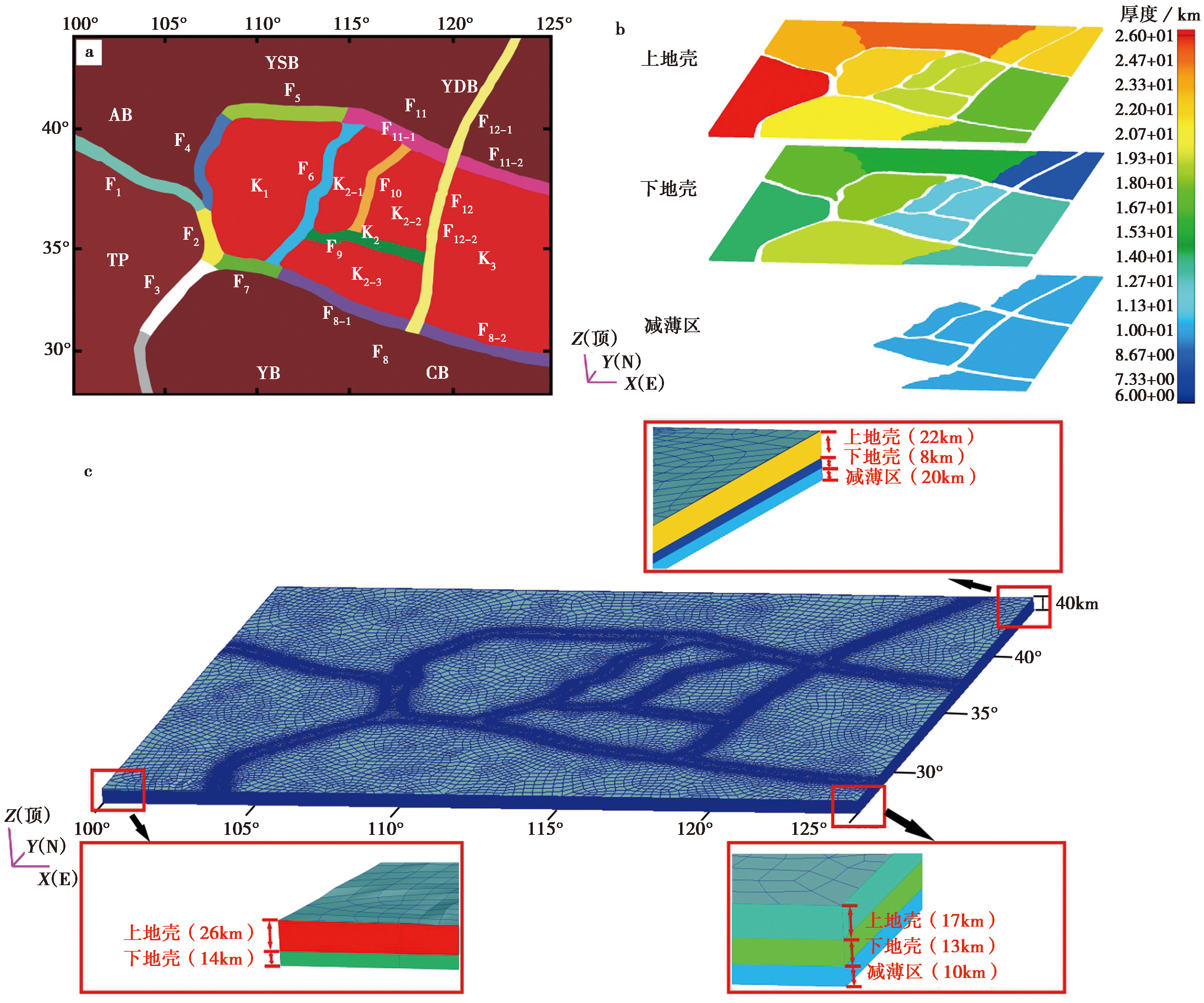
Fig. 2 Finite element model of North China.
| 分区 | 杨氏模量E/Pa | 泊松比υ | 抗压强度/MPa | 抗拉强度/MPa | 内摩擦角ϕ/(°) | ||
|---|---|---|---|---|---|---|---|
| 活动地块 | 上地壳 | 7.71×10¹⁰ | 0.27 | 200 | 20 | 50 | |
| 下地壳 | 1.00×10¹¹ | 0.29 | 250 | 30 | 50 | ||
| 减薄区 | 7.71×10⁹ | 0.27 | 20 | 2 | 50 | ||
| 地块边界 | 上地壳 | 7.71×10⁹ | 0.30 | 20 | 2 | 50 | |
| 下地壳 | 1.00×10¹⁰ | 0.30 | 25 | 3 | 50 | ||
Table2 Medium parameters of 3D finite element model of active blocks in North China (Li et al., 2006; LIU Xia et al., 2006; Qu et al., 2019)
| 分区 | 杨氏模量E/Pa | 泊松比υ | 抗压强度/MPa | 抗拉强度/MPa | 内摩擦角ϕ/(°) | ||
|---|---|---|---|---|---|---|---|
| 活动地块 | 上地壳 | 7.71×10¹⁰ | 0.27 | 200 | 20 | 50 | |
| 下地壳 | 1.00×10¹¹ | 0.29 | 250 | 30 | 50 | ||
| 减薄区 | 7.71×10⁹ | 0.27 | 20 | 2 | 50 | ||
| 地块边界 | 上地壳 | 7.71×10⁹ | 0.30 | 20 | 2 | 50 | |
| 下地壳 | 1.00×10¹⁰ | 0.30 | 25 | 3 | 50 | ||
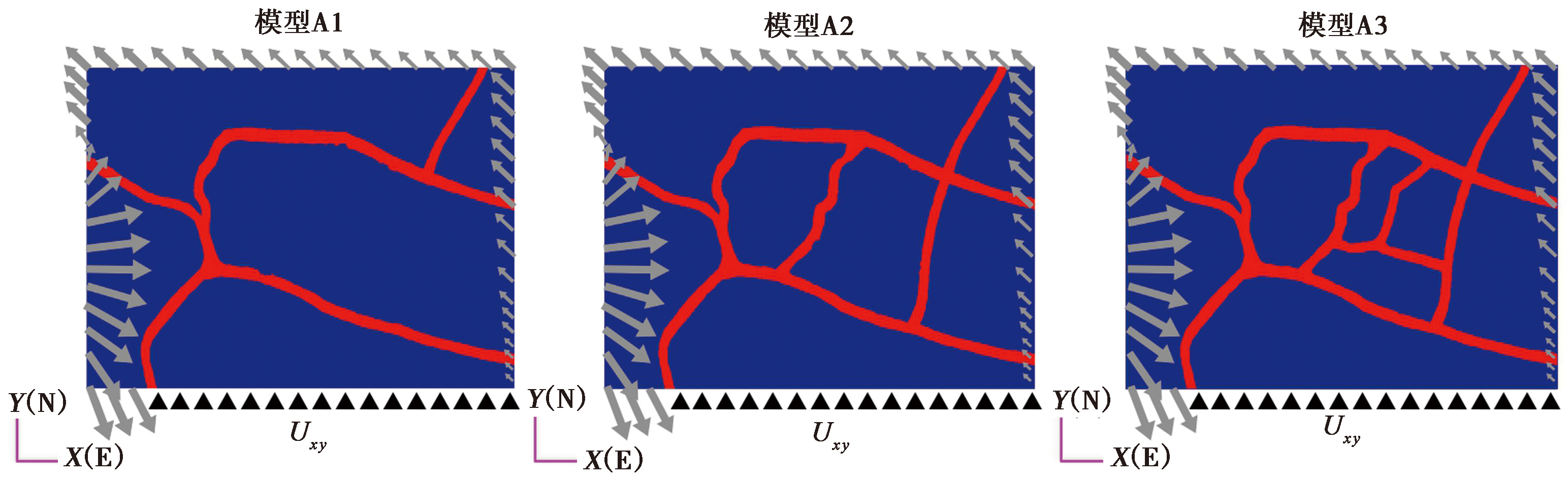
Fig. 3 Models of active block division scheme in North China.
| 模型 | 华北地区 活动地块划分方案 | 鄂尔多斯 地块移动速率V /mm·a-1 | 太行山次级 地块移动速率V /mm·a-1 | 冀鲁-豫皖次级 地块移动速率V /mm·a-1 | 鲁东-黄海 地块移动速率V /mm·a-1 |
|---|---|---|---|---|---|
| 现今观测结果 | -1.5 | -1.8 | -1.6 | -1.8 | |
| A1 | 华北地块 | -1.7 | -1.9 | -1.5 | -1.9 |
| A2 | 鄂尔多斯地块、华北平原地块、鲁东-黄海地块 | -1.9 | -2.0 | -1.5 | -2.0 |
| A3 | 鄂尔多斯地块、太行山次级地块、冀鲁次级地块、豫皖次级地块、鲁东-黄海地块 | -1.9 | -2.1 | -1.4 | -2.1 |
Table3 Summary of the simulation results of the influence of the block division scheme on the motion rate of active blocks in North China
| 模型 | 华北地区 活动地块划分方案 | 鄂尔多斯 地块移动速率V /mm·a-1 | 太行山次级 地块移动速率V /mm·a-1 | 冀鲁-豫皖次级 地块移动速率V /mm·a-1 | 鲁东-黄海 地块移动速率V /mm·a-1 |
|---|---|---|---|---|---|
| 现今观测结果 | -1.5 | -1.8 | -1.6 | -1.8 | |
| A1 | 华北地块 | -1.7 | -1.9 | -1.5 | -1.9 |
| A2 | 鄂尔多斯地块、华北平原地块、鲁东-黄海地块 | -1.9 | -2.0 | -1.5 | -2.0 |
| A3 | 鄂尔多斯地块、太行山次级地块、冀鲁次级地块、豫皖次级地块、鲁东-黄海地块 | -1.9 | -2.1 | -1.4 | -2.1 |
| 模型 | 华北地区 活动地块划分方案 | 鄂尔多斯 地块旋转速率W /rad·a-1 | 太行山次级 地块旋转速率W /rad·a-1 | 冀鲁-豫皖次级 地块旋转速率W /rad·a-1 | 鲁东-黄海 地块旋转速率W /rad·a-1 |
|---|---|---|---|---|---|
| 现今观测结果 | 2.3×10⁻⁹ | 2.2×10⁻⁹ | 2.0×10⁻⁹ | 3.4×10⁻⁹ | |
| A1 | 华北地块 | 1.0×10⁻⁹ | 1.4×10⁻⁹ | 1.0×10⁻⁹ | 2.6×10⁻⁹ |
| A2 | 鄂尔多斯地块、华北平原地块、鲁东-黄海地块 | 1.9×10⁻⁹ | 2.2×10⁻⁹ | 1.7×10⁻⁹ | 3.5×10⁻⁹ |
| A3 | 鄂尔多斯地块、太行山次级地块、冀鲁次级地块、豫皖次级地块、鲁东-黄海地块 | 2.2×10⁻⁹ | 2.3×10⁻⁹ | 1.9×10⁻⁹ | 3.9×10⁻⁹ |
Table4 Summary of the simulation results of the influence of the block division scheme on the rotation rate of active blocks in North China
| 模型 | 华北地区 活动地块划分方案 | 鄂尔多斯 地块旋转速率W /rad·a-1 | 太行山次级 地块旋转速率W /rad·a-1 | 冀鲁-豫皖次级 地块旋转速率W /rad·a-1 | 鲁东-黄海 地块旋转速率W /rad·a-1 |
|---|---|---|---|---|---|
| 现今观测结果 | 2.3×10⁻⁹ | 2.2×10⁻⁹ | 2.0×10⁻⁹ | 3.4×10⁻⁹ | |
| A1 | 华北地块 | 1.0×10⁻⁹ | 1.4×10⁻⁹ | 1.0×10⁻⁹ | 2.6×10⁻⁹ |
| A2 | 鄂尔多斯地块、华北平原地块、鲁东-黄海地块 | 1.9×10⁻⁹ | 2.2×10⁻⁹ | 1.7×10⁻⁹ | 3.5×10⁻⁹ |
| A3 | 鄂尔多斯地块、太行山次级地块、冀鲁次级地块、豫皖次级地块、鲁东-黄海地块 | 2.2×10⁻⁹ | 2.3×10⁻⁹ | 1.9×10⁻⁹ | 3.9×10⁻⁹ |
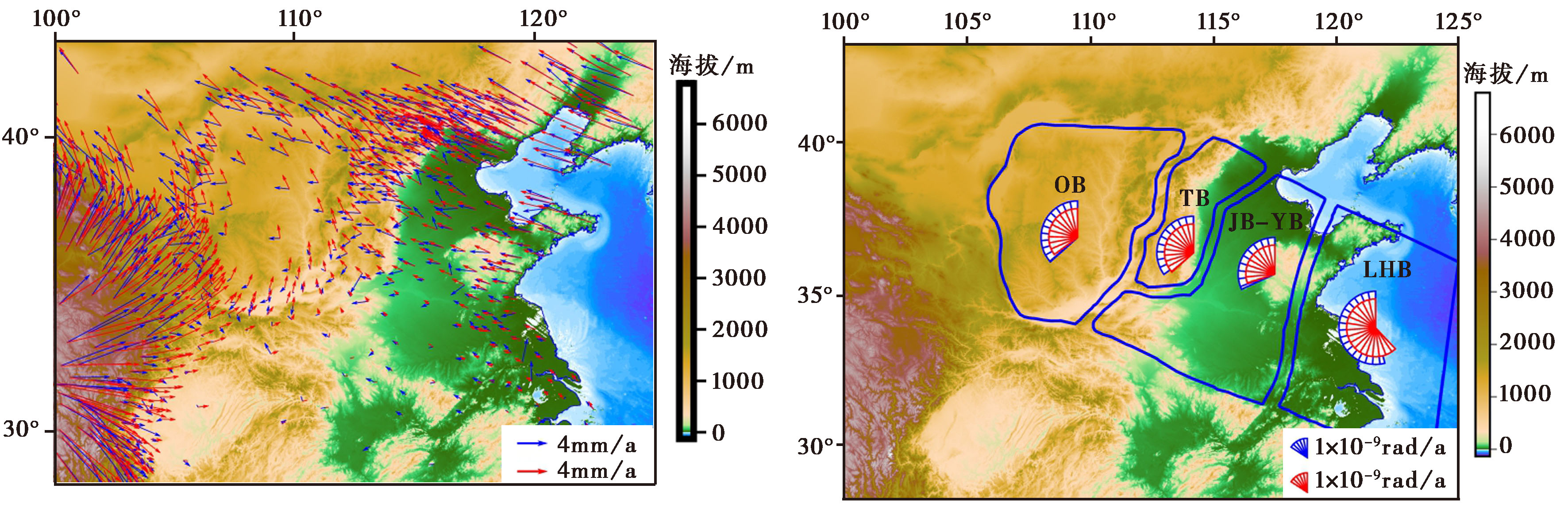
Fig. 4 Comparison of simulation results of model A3 with the current GPS velocity field, as well as with the present rotation rates of active blocks in North China.

Fig. 5 The simulation results of stress of model A1—A3.
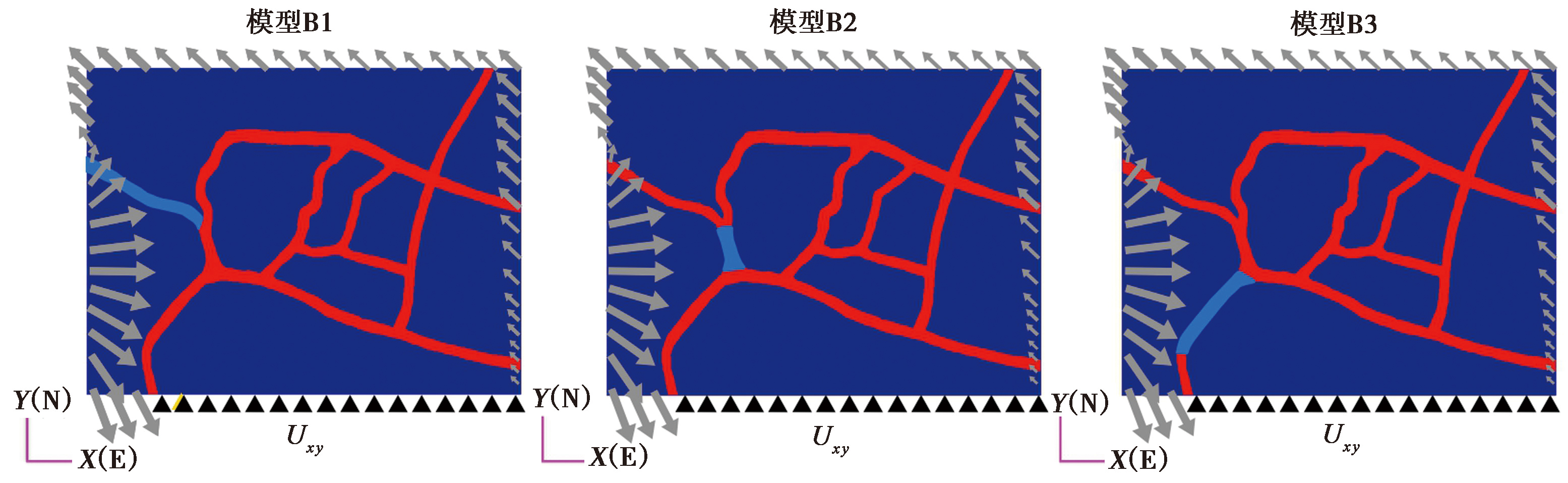
Fig. 6 Three external geometrical structures of the block model in North China.
| 模型 | 华北地区 外部几何结构 | 鄂尔多斯 地块移动速率V /mm·a-1 | 太行山次级 地块移动速率V /mm·a-1 | 冀鲁-豫皖次级 地块移动速率V /mm·a-1 | 鲁东-黄海 地块移动速率V /mm·a-1 |
|---|---|---|---|---|---|
| 现今观测结果 | -1.5 | -1.8 | -1.6 | -1.8 | |
| A3 | 所有断裂带均可发生变形 | -1.9 | -2.1 | -1.4 | -2.1 |
| B1 | 海原断裂带变形较弱 | -2.0 | -1.9 | -1.3 | -2.0 |
| B2 | 六盘山断裂带变形较弱 | -2.1 | -1.9 | -1.2 | -1.9 |
| B3 | 龙门山断裂带变形较弱 | -1.9 | -2.0 | -1.2 | -2.0 |
Table5 Summary of the simulation results of the influence of the composition of three external geometries on the moving rate of active blocks in North China
| 模型 | 华北地区 外部几何结构 | 鄂尔多斯 地块移动速率V /mm·a-1 | 太行山次级 地块移动速率V /mm·a-1 | 冀鲁-豫皖次级 地块移动速率V /mm·a-1 | 鲁东-黄海 地块移动速率V /mm·a-1 |
|---|---|---|---|---|---|
| 现今观测结果 | -1.5 | -1.8 | -1.6 | -1.8 | |
| A3 | 所有断裂带均可发生变形 | -1.9 | -2.1 | -1.4 | -2.1 |
| B1 | 海原断裂带变形较弱 | -2.0 | -1.9 | -1.3 | -2.0 |
| B2 | 六盘山断裂带变形较弱 | -2.1 | -1.9 | -1.2 | -1.9 |
| B3 | 龙门山断裂带变形较弱 | -1.9 | -2.0 | -1.2 | -2.0 |
| 模型 | 华北地区 外部几何结构 | 鄂尔多斯 地块旋转速率W /rad·a-1 | 太行山次级 地块旋转速率W /rad·a-1 | 冀鲁-豫皖次级 地块旋转速率W /rad·a-1 | 鲁东-黄海 地块旋转速率W /rad·a-1 |
|---|---|---|---|---|---|
| 现今观测结果 | 2.3×10⁻⁹ | 2.2×10⁻⁹ | 2.0×10⁻⁹ | 3.4×10⁻⁹ | |
| A3 | 所有断裂带均可发生变形 | 2.2×10⁻⁹ | 2.3×10⁻⁹ | 1.9×10⁻⁹ | 3.9×10⁻⁹ |
| B1 | 海原断裂带变形较弱 | 1.4×10⁻⁹ | 2.1×10⁻⁹ | 1.8×10⁻⁹ | 3.8×10⁻⁹ |
| B2 | 六盘山断裂带变形较弱 | 3.0×10⁻⁹ | 2.4×10⁻⁹ | 1.8×10⁻⁹ | 3.8×10⁻⁹ |
| B3 | 龙门山断裂带变形较弱 | 2.7×10⁻⁹ | 2.5×10⁻⁹ | 2.1×10⁻⁹ | 3.9×10⁻⁹ |
Table6 Summary of the simulation results of the influence of the composition of three external geometries on the rotation rate of active blocks in North China
| 模型 | 华北地区 外部几何结构 | 鄂尔多斯 地块旋转速率W /rad·a-1 | 太行山次级 地块旋转速率W /rad·a-1 | 冀鲁-豫皖次级 地块旋转速率W /rad·a-1 | 鲁东-黄海 地块旋转速率W /rad·a-1 |
|---|---|---|---|---|---|
| 现今观测结果 | 2.3×10⁻⁹ | 2.2×10⁻⁹ | 2.0×10⁻⁹ | 3.4×10⁻⁹ | |
| A3 | 所有断裂带均可发生变形 | 2.2×10⁻⁹ | 2.3×10⁻⁹ | 1.9×10⁻⁹ | 3.9×10⁻⁹ |
| B1 | 海原断裂带变形较弱 | 1.4×10⁻⁹ | 2.1×10⁻⁹ | 1.8×10⁻⁹ | 3.8×10⁻⁹ |
| B2 | 六盘山断裂带变形较弱 | 3.0×10⁻⁹ | 2.4×10⁻⁹ | 1.8×10⁻⁹ | 3.8×10⁻⁹ |
| B3 | 龙门山断裂带变形较弱 | 2.7×10⁻⁹ | 2.5×10⁻⁹ | 2.1×10⁻⁹ | 3.9×10⁻⁹ |
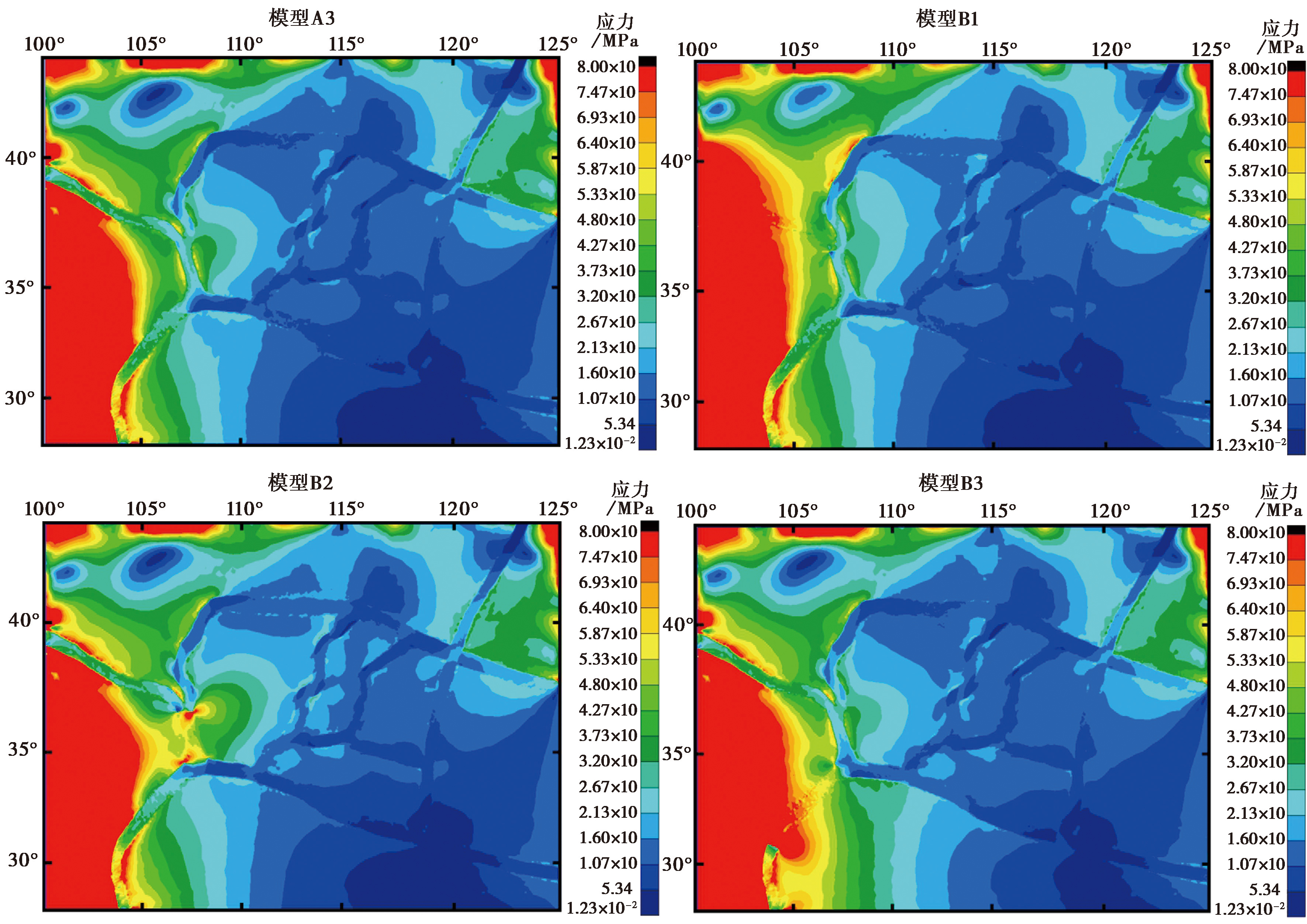
Fig. 7 The simulation results of stress of model A3 and B1—B3.
| [1] |
邓起东, 张培震, 冉勇康, 等. 2002. 中国活动构造基本特征[J]. 中国科学(D辑), 32(12): 1020—1030.
|
|
|
|
| [2] |
邓起东, 张培震, 冉勇康, 等. 2003. 中国活动构造与地震活动[J]. 地学前缘, 10(S1): 66—73.
|
|
|
|
| [3] | |
|
|
|
| [4] |
丁国瑜. 1989. 中国活断层图集[M]. 北京: 地震出版社, 西安: 西安地图出版社: 1—121.
|
|
|
|
| [5] |
丁开华, 许才军, 邹蓉, 等. 2013. 利用GPS分析川滇地区活动地块运动与应变模型[J]. 武汉大学学报(信息科学版), 38(7): 822—827.
|
|
|
|
| [6] |
国家地震局震害防御司. 1995. 中国历史强震目录(公元前23世纪-1911)[M]. 北京: 地震出版社: 514.
|
|
Department of Earthquake Disaster Prevention, China Earthquake Administration. 1995. Catalogue of Strong Earthquakes in Chinese History(23rd century BC to 1911)[M]. Seismological Press, Beijing: 514.
|
|
| [7] |
韩英, 符养. 2003. 中国大陆水平地壳运动的数学模型[J]. 长安大学学报(地球科学版), 25(1): 70—73.
|
|
|
|
| [8] |
韩竹军, 徐杰, 冉勇康, 等. 2003. 华北地区活动地块与强震活动[J]. 中国科学(D辑), 33(S1): 108—118.
|
|
|
|
| [9] |
李彦川, 单新建, 宋小刚, 等. 2016. GPS 揭示的郯庐断裂带中南段闭锁及滑动亏损[J]. 地球物理学报, 59(11): 4022—4034.
|
|
|
|
| [10] |
李延兴, 黄珹, 胡新康, 等. 2001. 板内块体的刚性弹塑性运动模型与中国大陆主要块体的应变状态[J]. 地震学报, 23(6): 565—572.
|
|
|
|
| [11] |
李延兴, 张静华, 郭良迁, 等. 2005. 鄂尔多斯的逆时针旋转与动力学[J]. 大地测量与地球动力学, 25(3): 50—56.
|
|
|
|
| [12] |
刘峡, 傅容珊, 杨国华, 等. 2006. 用GPS资料研究华北地区形变场和构造应力场[J]. 大地测量与地球动力学, 26(3): 33—39.
|
|
|
|
| [13] |
柳畅, 石耀霖, 郑亮, 等. 2012. 三维黏弹性数值模拟华北盆地地震空间分布与构造应力积累关系[J]. 地球物理学报, 55(12): 3942—3957.
|
|
|
|
| [14] |
马杏垣. 1989. 重力作用与构造运动[M]. 北京: 地质出版社.
|
|
|
|
| [15] |
潘佳铁, 李永华, 吴庆举, 等. 2014. 中国东北地区地壳上地幔三维S波速度结构[J]. 地球物理学报, 57(7): 2077—2087.
|
|
|
|
| [16] |
屈春燕. 2008. 最新1/400 万中国活动构造空间数据库的建立[J]. 地震地质, 30(1): 298—304. doi: 10.3969/j.issn.0253-4967.2008.01.022.
|
|
|
|
| [17] |
邵辉成, 苏刚. 1999. 鄂尔多斯地块周缘近期地震活动趋势分析[J]. 西北地震学报, 21(4): 395—398.
|
|
|
|
| [18] |
石富强, 张辉, 邵志刚, 等. 2020. 华北地区库仑应力演化与强震活动关系[J]. 地球物理学报, 63(9): 3338—3354.
|
|
|
|
| [19] |
疏鹏, 徐锡伟, 酆少英, 等. 2023. 板泉拉分盆地沉积-构造演化及其对郯庐断裂带新生代晚期右旋走滑运动的响应[J]. 中国科学(D辑), 53(4): 784—805.
|
|
|
|
| [20] |
王敏, 沈正康, 牛之俊, 等. 2003. 现今中国大陆地壳运动与活动块体模型[J]. 中国科学(D辑), 33(S1): 21—32, 209.
|
|
|
|
| [21] |
邢会林, 郭志伟, 王建超, 等. 2022. 断层系统摩擦动力学行为的有限元模拟分析[J]. 地球物理学报, 65(1): 37—50.
|
|
|
|
| [22] |
徐杰, 高战武, 宋长青, 等. 2000. 太行山山前断裂带的构造特征[J]. 地震地质, 22(2): 111—122. doi: 10.3969/j.issn.0253-4967.2000.02.003.
|
|
|
|
| [23] |
徐菊生, 袁金荣, 高士钧, 等. 1999. 利用GPS观测结果研究华北地区现今构造应力场[J]. 地壳形变与地震, 19(2): 81—89.
|
|
|
|
| [24] |
徐锡伟, 程国良, 马杏垣, 等. 1994. 华北及其邻区块体转动模式和动力来源[J]. 地球科学, 19(2): 129—138.
|
|
|
|
| [25] |
袁学诚, 华九如. 2011. 华南岩石圈三维结构[J]. 中国地质, 38(1): 1—19.
|
|
|
|
| [26] |
张国民, 马宏生, 王辉, 等. 2005. 中国大陆活动地块边界带与强震活动[J]. 地球物理学报, 48(3): 602—610.
|
|
|
|
| [27] |
张国民, 张培震. 2000. “大陆强震机理与预测”中期学术进展[J]. 中国基础科学, (10): 4—10.
|
|
|
|
| [28] |
张培震, 邓起东, 张国民, 等. 2003. 中国大陆的强震活动与活动地块[J]. 中国科学(D辑), 33(S1): 12—20.
|
|
|
|
| [29] |
张培震, 邓起东, 张竹琪, 等. 2013. 中国大陆的活动断裂、 地震灾害及其动力过程[J]. 中国科学(D辑), 43(10): 1607—1620.
|
|
|
|
| [30] |
张培震, 张会平, 郑文俊, 等. 2014. 东亚大陆新生代构造演化[J]. 地震地质, 36(3): 574—585. doi: 10.3969/j.issn.0253-4967.2014.03.003.
|
|
|
|
| [31] |
张耀阳, 陈凌, 艾印双, 等. 2018. 利用 S 波接收函数研究华南块体的岩石圈结构[J]. 地球物理学报, 61(1): 138—149.
|
|
|
|
| [32] |
中国地震局震害防御司. 1999. 中国近代地震(MS>4.7)目录(1912—1990)[M]. 北京: 中国科学技术出版社: 637.
|
|
Department of Earthquake Disaster Prevention, China Earthquake Administration. 1999. Catalogue of Modern Earthquakes(MS>4.7)in China(1912-1990)[M]. China Science & Technology Press, Beijing: 637.
|
|
| [33] |
朱泽. 2012. 利用GPS研究华北地区块体运动特征[D]. 北京: 中国地震局地震预测研究所:27—40.
|
|
|
|
| [34] |
|
| [35] |
DOI URL |
| [36] |
DOI URL |
| [37] |
|
| [38] |
|
| [39] |
|
| [40] |
DOI PMID |
| [41] |
|
| [42] |
|
| [43] |
|
| [44] |
|
| [45] |
|
| [46] |
|
| [47] |
DOI URL |
| [48] |
DOI URL |
| [49] |
|
| [50] |
|
| [51] |
|
| [52] |
|
| [53] |
|
| [54] |
|
| [55] |
|
| [56] |
|
| [57] |
|
| [58] |
|
| [59] |
|
| [60] |
|
| [61] |
|
| [62] |
|
| [63] |
|
| [64] |
|
| [65] |
|
| [66] |
|
| [67] |
DOI URL |
| [68] |
|
| [69] |
DOI URL |
| [70] |
|
| [71] |
|
| [1] | CHANG Yu-qiao, ZHANG Hui-ping, ZHAO Xu-dong. RESEARCH ADVANCES OF THE LATE QUATERNARY ACTIVITY OF XIAOJIANG FAULT ZONE IN THE SOUTHEASTERN MARGIN OF QINGHAI-XIZANG PLATEAU [J]. SEISMOLOGY AND GEOLOGY, 2026, 48(2): 279-313. |
| [2] | XIE Tao, HAN Ying, LI Xin-yan, YU Chen, LI Xiao-fan, ZHANG Guo-ling, ZHANG Li-qiong, LIAO Xiao-feng. A VIEW OF STRATIFIED RESPOSE BASED ON SHORT-TERM CHANGES OF APPARENT RESISTIVITY AFTER STRONG EARTHQUAKE [J]. SEISMOLOGY AND GEOLOGY, 2026, 48(2): 351-369. |
| [3] | FAN Ji-di, WANG Xin, XIANG Jian-bin. AEROMAGNETIC INTERPRETATION OF BURIED FAULT SPATIAL DISTRIBUTION CHARACTERISTICS IN THE NORTH CHINA BASIN [J]. SEISMOLOGY AND GEOLOGY, 2026, 48(2): 475-496. |
| [4] | WANG Wan-tong, MA Si-yuan, YAN Wu-jian, YUAN Ren-mao. LANDSLIDE SUSCEPTIBILITY ASSESSMENT OF THE 2014 LUDIAN EARTHQUAKE: COMPARATIVE STUDY BASED ON CONVOLUTIONAL NEURAL NETWORK AND RANDOM FOREST [J]. SEISMOLOGY AND GEOLOGY, 2026, 48(2): 497-519. |
| [5] | GUO Xin-xin, WEI Ben-yong, SU Gui-wu, QI Wen-hua, ZHANG Teng-fei. ASSESSING SEVERELY AFFECTED AREAS BY EARTHQUAKE USING MOBILE SIGNALLING DATA: A CASE STUDY OF THE 2023 MS6.2 JISHISHAN EARTHQUAKE, CHINA [J]. SEISMOLOGY AND GEOLOGY, 2026, 48(2): 520-539. |
| [6] | LI Yan, CHEN Jun-lei, LÜ Si-yu, WANG Yu-dong, FU Lei. THE STRESS FIELD INVERSION AND TRIGGER RELATIONSHIPS OF THE JINGGU EARTHQUAKE SEQUENCE [J]. SEISMOLOGY AND GEOLOGY, 2026, 48(2): 561-581. |
| [7] | LIU Yue, LÜ Xiao-jian. A STUDY ON THE DURATION OF AFTERSHOCK SEQUENCES FOLLOWING SIX LARGE EARTHQUAKES IN North China [J]. SEISMOLOGY AND GEOLOGY, 2026, 48(1): 142-161. |
| [8] | ZHAO Xiao-yan, MENG Ling-yuan, PENG Guan-ling, WANG Guang-ming. CHARACTERISTICS OF EARTHQUAKE SEQUENCE TYPES WITH M≥5.0 IN YUNNAN AND ITS NEIGHBORING AREAS [J]. SEISMOLOGY AND GEOLOGY, 2026, 48(1): 162-180. |
| [9] | GU Pei-yuan, WAN Yong-ge, HUANG Ji-chao, JIN Zhi-tong, SONG Ze-yao, GUAN Zhao-xuan, ZHOU Zi-yao. SLIP CHARACTERISTICS OF THE SEISMOGENIC FAULT OF THE 2022 LUDING MS 6.6 EARTHQUAKE AND AN EXPLANA-TION FOR THE NORMAL-FAULTING EARTHQUAKE TO ITS WEST [J]. SEISMOLOGY AND GEOLOGY, 2026, 48(1): 181-199. |
| [10] | HUANG Xiong-nan, YANG Xiao-ping, LIU Bao-jin, SHI Feng, ZHUANG Qi-tian, HAO Hai-jian, SHI Jin-hu, SUN Hao-yue, LU Ren-qi, HU Zong-kai, LI Kang, CAO Jun, SHU Peng, REN Guang-xue, WANG Zhen-nan. LATE-QUATERNARY ACTIVITY OF THE XUSHUI SOUTH FAULT AND NIUDONG FAULT IN THE NORTH OF THE NORTH CHINA PLAIN, EVIDENCE FROM DRILLING [J]. SEISMOLOGY AND GEOLOGY, 2026, 48(1): 19-42. |
| [11] | WANG Xia, SONG Mei-qing, WU Hao-yu, LIANG Xiang-jun, LÜ Rui, GUO Wen-feng, ZHANG Na, LI Jin. STRESS FIELD IN SHANXI RIFT AND ITS DYNAMIC SIGNIFICANCE [J]. SEISMOLOGY AND GEOLOGY, 2026, 48(1): 257-277. |
| [12] | JIANG Hai-kun, SONG Jin. THE TIDAL TRIGGERING CHARACTERISTICS OF MS≥4.0 AFTERSHOCKS IN JANUARY 23, 2024 WUSHI MS7.1 EARTHQUAKE SEQUENCE, XINJIANG, CHINA [J]. SEISMOLOGY AND GEOLOGY, 2025, 47(6): 1526-1545. |
| [13] | GAO Shu-de, WU Xiao-ping, LUO Wei-bin, YANG Xiao-peng, WANG Wen-cai, YAO Sai-sai, CHEN Shuang-gui, LIU Jun. SUMMARY OF PRECURSORS OF THE MENYUAN MS6.9 EARTHQUAKE AND ITS INSPIRATION FOR SUB-INSTABILITY THEORY [J]. SEISMOLOGY AND GEOLOGY, 2025, 47(6): 1546-1565. |
| [14] | ZHANG Bo, WANG Ai-guo, FENG Zi-wei, HE Xiao-long, ZHU Jun-wen, YAO Yun-sheng, CAI Yi-meng. SEIMOTECTONIC ANALYSIS OF 2023 JISHISHAN MS6.2 EARTHQUAKE IN GANSU PROVINCE [J]. SEISMOLOGY AND GEOLOGY, 2025, 47(6): 1586-1605. |
| [15] | HAO Hong-tao, CHANG Lu-ji, DING Zhen-sen, WU Gui-ju, WEI Jin, HU Min-zhang. EXTRACTION METHOD OF GRAVITY ANOMALY CHARAC-TERISTICS AND ITS APPLICATION IN PREDICTION OF LOCATION OF THE JISHISHAN MS6.2 EARTHQUAKE [J]. SEISMOLOGY AND GEOLOGY, 2025, 47(6): 1606-1624. |
| Viewed | ||||||
|
Full text |
|
|||||
|
Abstract |
|
|||||
Copyright © SEISMOLOGY AND GEOLOGY, All Rights Reserved.
Tel: 010-62009049/9063 E-mail: dzdz@ies.ac.cn
Powered by Beijing Magtech Co., Ltd.